
Reviewed · LOS ANGELES MUSEUMS & ATTRACTIONS
Skip the Line: General Admission Museum of Tolerance Ticket
Big themes, real artifacts, and tough questions. The Museum of Tolerance in Los Angeles turns a museum visit into a human rights lesson, linking the Holocaust to prejudice happening in the present. I like the way it makes historic events feel connected to what people face today.
I also like the focus on antisemitism and the Jewish diaspora, with exhibits that tackle bigotry as a pattern, not a one-time tragedy. One drawback to plan for: the ticket experience can be annoying if you do not keep your confirmation proof handy, especially when finding and showing your mobile ticket on site.
Key highlights you should know
- Skip-the-line general admission designed to get you inside faster with a mobile ticket
- Powerful exhibits connecting the Holocaust to contemporary discrimination
- Clear focus areas including antisemitism and the Jewish diaspora
- A visit is usually 1 to 2 hours, so it works well even with a tight LA day
- Security and parking can be strict, so keep your documents ready and expect screening
What this Museum of Tolerance ticket really gets you
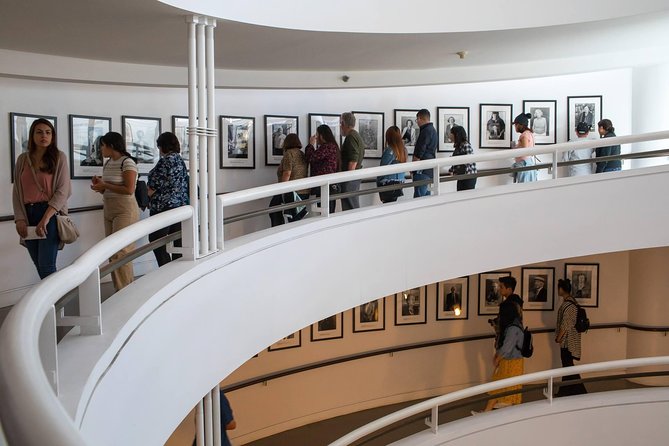
This is general admission to the Museum of Tolerance, with a focus on education and human rights. The big promise is simple: you get a smoother entry experience, then you choose your pace inside.
The visit is typically short, about 1 to 2 hours. That matters because most people do not want a half-day commitment for a museum that is emotionally heavy. Here you can see a lot without feeling like you are stuck for hours in one place.
The ticket format is mobile, and the museum expects you to have confirmation ready at arrival. I treat that as the main job you have to do, not an optional extra. If you forget your proof, your day turns into a speed bump.
Also, the museum is not framed like a casual history stop. It presents discrimination and bigotry as lived experiences, then ties them to patterns you can recognize today. That is why this place hits hard, and why it is often recommended for school projects and serious conversations.
A few more Los Angeles tours and experiences worth a look



Entering the Museum of Tolerance: security, service animals, and transit
Your first real reality check is the entrance area. Reviews mention security being present at the gate, and that can feel less like a welcome and more like “show me you belong here.” The good news is entry is workable, and you are not looking at a complicated process.
If you are driving, plan for extra scrutiny. One review specifically notes that cars may be searched when parking. That does not mean you should panic. It just means you should arrive with time, not with a tight schedule.
If you are getting there by public transit, you are in luck. The museum is near public transportation, which is a relief in Los Angeles traffic. That also reduces the temptation to rush and forget your ticket proof.
Service animals are allowed. If you rely on one, this is good to know in advance so you can focus on the exhibits instead of logistics.
Stop at the heart of it: a human-rights style Holocaust education

The museum experience is anchored around the Holocaust, but it is not treated like a sealed chapter in the past. The museum describes itself as a human rights laboratory and educational center. In plain terms, it is trying to do something active: help you understand how prejudice forms, spreads, and becomes policy or violence.
Inside, you will encounter exhibits that cover the Holocaust and connect it to other kinds of discrimination. One review calls the Holocaust exhibit awesome and informative, and another highlights learning information they did not know before, plus artifacts they had never seen.
That combination is a big part of the value. The museum is doing two things at once:
- Teaching facts and context about what happened
- Pointing to how antisemitism and dehumanization show up again in different eras
You will also notice that the museum walk-through experience includes display areas that people can move through quickly. One review mentions other groups skipping ahead through walk-through displays, which can be distracting if you are trying to take things in at a slower pace. If you want a calmer experience, go early in your day, and be ready to pause when you see a crowd surge.
How the museum connects prejudice past and present
One of the most praised aspects of the visit is the way the museum frames discrimination as a theme you can trace. That is what makes it more than just a Holocaust museum. The content points to how antisemitism and other forms of bigotry can change shape while staying recognizable.
I like this approach because it helps you build a mental map. Instead of treating each exhibit as a separate folder of information, you start to see relationships: ideas about identity, stereotypes, scapegoating, and the social conditions that let prejudice become normalized.
You should expect topics to include the Holocaust, antisemitism, and the Jewish diaspora. The museum also addresses discrimination and bigotry broadly, not only within one historical frame. That’s part of why reviews call it powerful, insightful, and beyond expectations.
Be prepared for emotional weight. People describe the exhibits as disturbing and sad, which is not a warning to avoid it. It is a reality check so you can mentally pace yourself.
The Here and Now exhibit: dealing with today’s discrimination
The museum also has a section aimed at the present moment, including modern antisemitism and discrimination. Reviews describe this part as okay, and at least one review feels it could have been better or that it added less than expected.
Here is how I would interpret that, practically. This kind of exhibit often has to balance education with sensitivity, and it can feel different depending on what you expected from a museum visit. If you want a heavier focus on the Holocaust and historical evidence, you may feel the contemporary section moves faster. If you want a stronger action-oriented message for today, you might want it to go further.
Either way, plan to spend time here, but do not let this area derail your overall experience. The main value comes from the museum’s core message: prejudice is teachable, and patterns can be recognized.
You can also read our reviews of more museum experiences in Los Angeles






Events, speakers, and the testimony experience you may hope for
The Museum of Tolerance sometimes features events and exhibits. The listing description highlights events and exhibits that explore historic and contemporary prejudice, and reviews suggest that this can include testimony-style presentations.
Two review themes are worth your attention. One person was disappointed in a speaker, expecting a true Holocaust survivor from the camps but not finding that. Another person says they were directed to a high school volunteer program instead of a place where they expected real Holocaust survivor testimony, so they felt they missed what they came for.
So here is my practical advice: if a specific testimony or talk is the reason you booked, treat it as something to verify when you arrive. Do not assume the program is exactly what you imagine. Ask staff what is happening during your time window and where you should go.
If the event line up differs from what you hoped for, the core museum exhibits still do the heavy lifting. But if your goal is a very particular testimony moment, that additional step of checking schedules will protect your expectations.
A smooth 1 to 2 hour plan that actually works
You can absolutely do this museum efficiently. The trick is pacing yourself so you do not skim past what is most important.
A simple way to plan:
- Start with the Holocaust-focused sections so you understand the baseline context.
- Move next to exhibits that connect the past to antisemitism and discrimination today.
- Spend extra time where you see artifacts and detailed display panels, since those are often what visitors remember most.
One review specifically recommends touring with a guide for better understanding. That is not required, but it is a smart idea if you want more context than exhibit labels alone. If the museum offers guided options during your visit, it can help you interpret what you are seeing without turning it into a solo “read everything and hope you got it” mission.
Also, if you are visiting for a class assignment or a serious school project, this is a strong stop. The structure supports thoughtful reflection, and the museum’s content touches enough major topics that you can build an organized paper from it.
Tickets, screenshots, and why logistics can make or break your day
This is where you need to be a little street-smart. Even though the experience is marketed as skip-the-line, reviews include a few practical complaints that you should treat as real guidance.
First, ticket access can be tricky. One review says tickets were very difficult to find, even when purchased the same day. The key takeaway is direct: take a screenshot of your confirmation. The review claims that without the confirmation screen, they would have had to buy additional tickets at the door.
So do this before you leave home:
- Save your confirmation screen
- Screenshot it
- Keep it easy to access offline if your phone battery or signal is unreliable
Second, the “no line” claim may not match reality for your specific time. One review says there’s no line, and also calls out that the advertisement is inaccurate. Translation: do not build your schedule on perfect entry times. Arrive with a cushion.
Finally, security and parking searches can add time. If you are driving and you might be parked farther away, plan buffer time too. That way the museum stays a calm, focused experience, not a rushed sprint.
Comfort factors: crowd behavior and staff tone
The Museum of Tolerance attracts people who come in with big emotions and big questions. That can produce a wide range of visitor behavior.
One review mentions groups jumping ahead and skipping through walk-through displays, which is rude and distracting. Another review says security entry was not too bad. Another review says staff felt rude starting with security.
So what does that mean for you? Expect a mix. Do not assume every staff member will be warm and chatty. Go in with a mission mindset, and focus on what you came to learn.
If you find yourself frustrated by crowd behavior, give yourself permission to pause. Step back from the flow. Read labels slowly. Move when you feel the group tide shifting.
Value: why this experience can be worth your time
A 1 to 2 hour museum ticket is not cheap on an emotional level, but it can be very good value for the learning you get.
Reviews describe the museum as:
- Powerful and far beyond expectations
- Exceptional and wonderful
- Very insightful and disturbing
- Full of information people were not aware of before
You are getting more than a general overview. The museum includes artifacts, detailed exhibits, and topic coverage that reaches into historic and contemporary prejudice. That combination is why people recommend it strongly, including a “must see” comment.
The gift shop also comes up. One review says the gift shop is a must and mentions items at a reasonable price. That can be a nice follow-up if you want books or materials to help you keep thinking after you leave.
Who should book this ticket?
Book this if you want:
- A serious, educational museum visit about the Holocaust and discrimination
- A shorter time commitment (about 1 to 2 hours)
- A structured way to understand modern antisemitism and the Jewish diaspora through exhibits
This is also a solid choice for students and class assignments. The museum’s content is clearly framed for education and reflection, and it gives you multiple angles for research and discussion.
If you need a light, casual museum outing or you cannot handle difficult topics, you might find the experience heavy. But if you are open to learning, the museum can be one of the most meaningful stops in Los Angeles.
Should you book the Skip the Line General Admission Museum of Tolerance Ticket?
Yes, if you handle heavy topics well and you want a museum that connects history to today’s discrimination. This ticket format is designed for easier entry with a mobile ticket, and the museum’s educational focus is strong.
I would book it with one clear condition: prepare your confirmation proof. Screenshot it. Keep it accessible. Arrive with a little buffer for security and possible parking checks.
If your main goal is a specific talk or testimony moment, also plan to confirm what is happening during your visit window once you arrive. That one step can protect your expectations.
If you want a thoughtful Los Angeles stop that does real work, not just sightseeing, this is a good call.
More Museum Experiences in Los Angeles

More Tickets in Los Angeles


More Tour Reviews in Los Angeles






Not for you? Here's more nearby things to do in Los Angeles we have reviewed











Los Angeles Museums & Attractions, compared.
 ★ 4.7Petersen Automotive Museum Admission TicketFrom $22592 reviews
 ★ 4.6Madame Tussauds Hollywood TicketsFrom $31516 reviews
 ★ 4.5Skip the Ticketing Line: Aquarium of the Pacific General Admission TicketFrom $44485 reviews
 ★ 4.7Natural History Museum of LA Entry TicketFrom $18457 reviews
 ★ 4.8Petersen Automotive Museum Entry & Vault AccessFrom $51264 reviews
 ★ 4.6Battleship Iowa Museum TicketFrom $29249 reviews
 ★ 4.5Madame Tussauds Hollywood Admission TicketFrom $31231 reviews
 ★ 4.5La Brea Tar Pits and Museum Admission Ticket with Excavator TourFrom $18193 reviews
Browse the lists this tour appears in