
Reviewed · LOS ANGELES CITY TOURS
Los Angeles: Grammy Museum Entry Ticket
Music history, turned hands-on, downtown LA. I love the Sonic Playground section where you can get hands-on with studio-style tools like microphones and beat makers, and I love the Ray Charles Terrace for getting great Hollywood Sign photos. One heads-up, the museum can feel compact, and parts of the building may close sometimes for private events, so you should plan your priorities.
This $22 ticket is really about experience value. With four floors of music artifacts, plus sound experiments and rotating special exhibits like the Luther Vandross display, you get a fun way to connect big-name artists to how music is made, staged, and heard.
Key things to know before you go
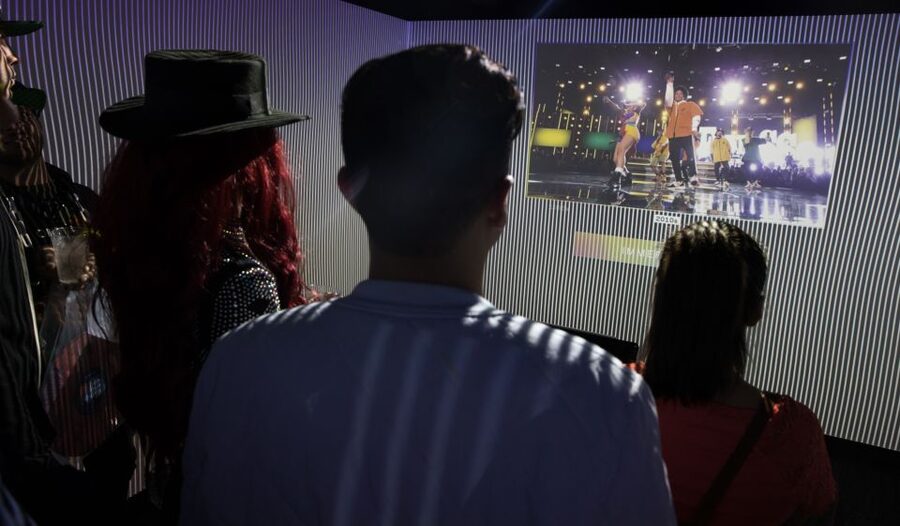
- Sonic Playground (2nd floor) gives you 17 interactive stations in about 3,000 square feet, including studio-style sound play
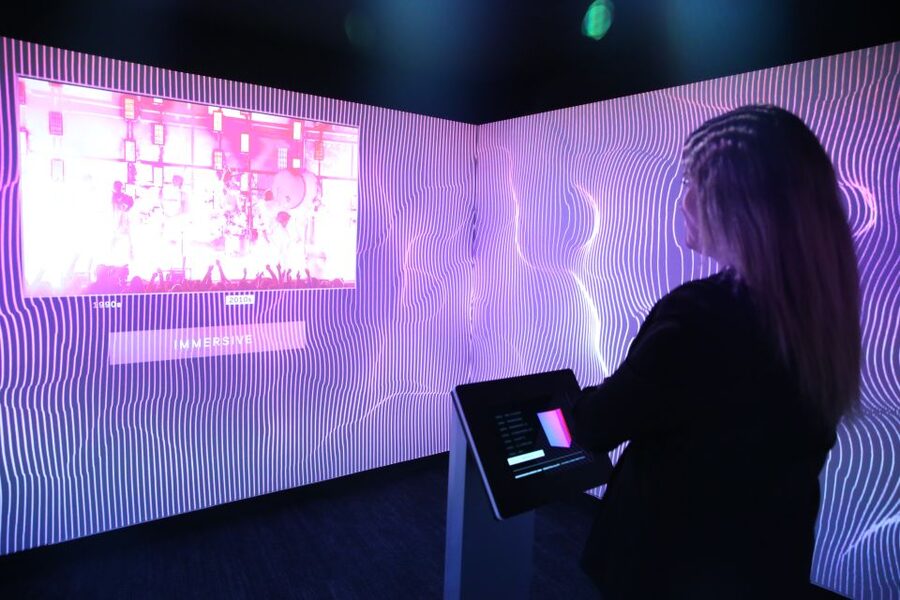
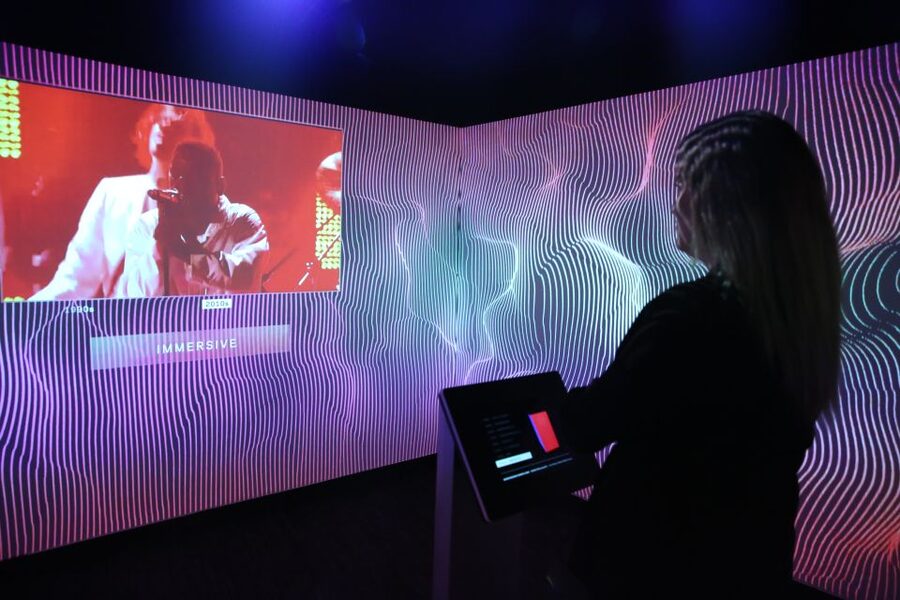
- Mono to Immersive walks through how Grammy audio presentation evolved, from older recording eras toward surround sound
- 4 floors of memorabilia span many genres, with items tied to major artists including Michael Jackson, Taylor Swift, Stevie Wonder, and more
- A rotating special exhibit can change your visit, including the current Luther Vandross: Artistry and Elegance show
- Jay Blakesberg’s RetroBlakesberg uses photography to frame about 30 years of music history
- Extra artist-focused areas may be running during your dates, since museum spaces shift with current displays
Ticket value and what $22 buys you in Downtown LA

The Grammy Museum sits in Downtown Los Angeles, and your pre-reserved entry ticket is valid for one day from first activation. At $22 per person, it is not a bargain attraction, but it can feel worth it because the ticket gets you full access to multiple floors and interactive exhibits rather than just a single gallery.
You do not need a guided tour. That is a plus if you like to move at your own pace, but it also means you will get more out of it if you come with at least a few artist names or styles you care about.
Also keep in mind that sections can close occasionally for private events. If you are traveling with a strict must-see list, I recommend building in a little cushion time.
A few more Los Angeles tours and experiences worth a look



Your best “first hour” plan, start with the Ray Charles Terrace
If your main goal is photos plus an easy first win, start at the Ray Charles Terrace. It is an ideal spot to capture views of the Hollywood Sign, and it helps break the ice before you step into the museum’s audio world.
Then, head straight toward the more hands-on spaces first. Interactive exhibits are the kind you can lose time to, especially when there are sound stations that pull you in quickly.
If you are visiting with kids, teens, or anyone who likes tinkering, front-loading the interactive areas usually makes the whole day feel smoother.
Sonic Playground: the hands-on music-making zone
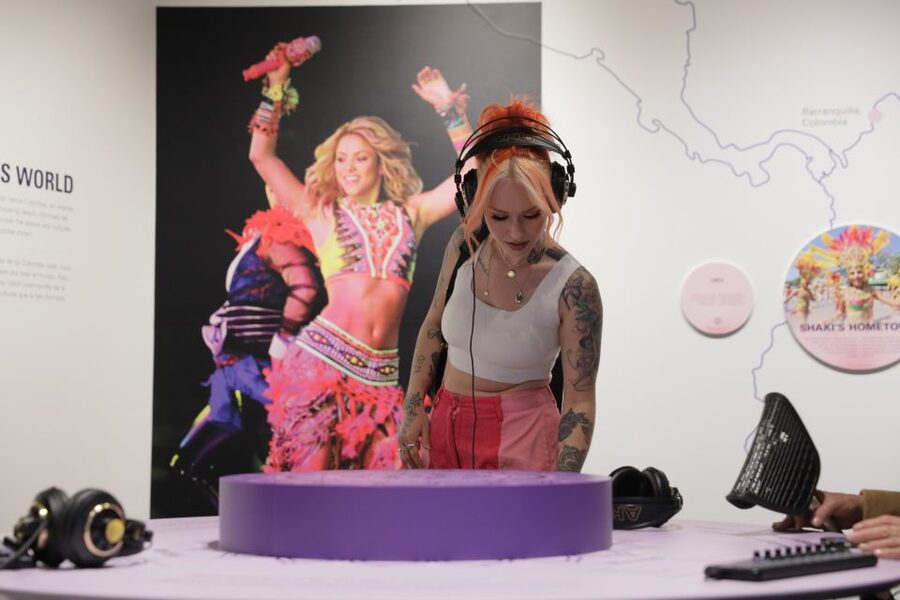
The museum’s star for active visitors is Sonic Playground. This is the 2nd-floor, 3,000-square-foot gallery with 17 unique interactives that turn learning into play.
What I like about Sonic Playground is that it does not just teach you about music, it gives you a chance to do music tasks in a friendly way. People especially enjoy the studio-style setups, including rooms where you can use microphones and play around with beat machines. Even if you are not a musician, it is the kind of space that makes you feel like you are participating instead of watching.
Practical tip: wear comfortable shoes. You will walk a lot inside the museum, and the hands-on layout can have you circling back, comparing stations, and replaying sounds.
Mono to Immersive: hearing how Grammy performances changed
After you get your hands dirty at Sonic Playground, Mono to Immersive is a smart next stop because it focuses on listening and transformation. The experience is built like a journey of sound, taking you through how audio presentation evolved from earlier eras toward surround sound today.
This is also where you reconnect music to the awards moments many people remember. The museum guides you through the evolution of the GRAMMY Award from 1959 to today, while you relive performances tied to the way the awards show presents artists across decades.
If you care about production, recording quality, or why modern performances sound the way they do, this section is your payoff. One recent highlight people called out is how the music quality and audio rooms can feel mesmerizing, especially if you spend a few minutes at a time comparing what you hear across the timeline.
The big memorabilia sweep across four floors
One of the most satisfying parts of the museum is how it stretches across four floors of music memorabilia. You get artifacts that reflect a wide range of genres, and the museum spotlights major artists such as Michael Jackson, Taylor Swift, and Stevie Wonder.
This is the section you will want to slow down for. The artifacts make the rest of the museum feel more grounded, because you are not just playing with sound. You are also seeing physical pieces connected to iconic artists and eras.
That said, the museum is not huge. Some visitors felt surprised that it was smaller than expected, and a few mentioned empty wall space. If you are the type who expects a dense, wall-to-wall history museum, you may want to manage expectations and focus on the interactive zones and special exhibits rather than trying to read everything.
You can also read our reviews of more museum experiences in Los Angeles






Rotating special exhibits, including Luther Vandross: Artistry and Elegance
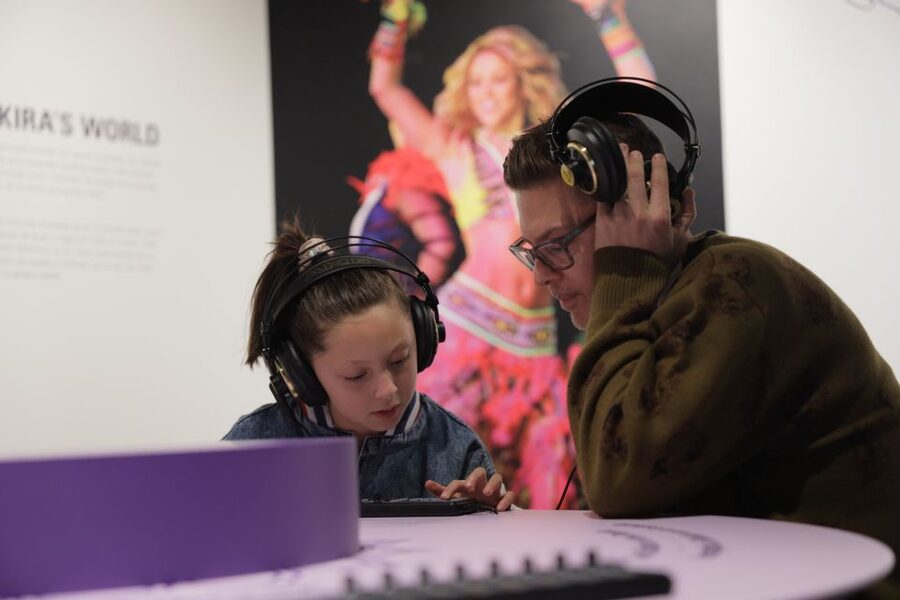
A big reason to buy the ticket on your dates is the current special exhibit. Right now, it is Luther Vandross: Artistry and Elegance, featuring the life and legacy of an eight-time GRAMMY winner and one of music’s most respected vocal talents.
I like how the museum treats special exhibits as a way to deepen the story. If your favorite part of music history is the people behind the sound, Luther Vandross is a strong choice because his career connects songwriting, arranging, production, and performance.
Also remember that special exhibits keep rotating. Some people have seen additional artist-focused areas during their visits, including spaces tied to BTS and other newer acts, so if you have a favorite artist, it is worth checking what is on display before you go.
RetroBlakesberg: music history through Jay Blakesberg’s lens
If you want a break from audio play, RetroBlakesberg uses photography to frame around 30 years of music history. The idea is to show how genres like blues, folk, and rock n’ roll connect to later movements including hip hop and alternative music.
This works well when you are trying to understand how music scenes evolve over time. Photos give you atmosphere you might miss in a sound-only experience, and they make the museum feel like it is tracking culture, not just awards.
If you like visual storytelling, spend extra time here. It is one of the stops that helps the museum feel more like a day out with context.
Hip hop, pop culture, and the “how much do you want Grammys-specific?” question
The museum covers music broadly, not just awards logistics. That is usually a good thing, because many people come for the genres, artists, sound tech, and cultural artifacts.
But if you are specifically hoping for deep lessons on how the GRAMMY process works, you might feel a bit unsatisfied. Some visitors expected more about the Grammys as an institution, including how selection happens and how the awards show gets made year to year. The museum leans more toward music itself: artists, genres, audio quality, and performance moments.
The hip hop area can also land differently depending on your taste. One recent comment called it nostalgic and fun, with games that put DJing and musicality skills to the test. Another visitor felt it was too mainstream. Translation: this part is best if you like familiar hip hop touchpoints and interactive play, less best if you want deep, niche scholarship.
The museum experience in real life: how to pace it

A common theme is that the museum is packed with things to do, even if the building feels smaller. If you move slowly, you will have time for the sound comparisons, the memorabilia browsing, and the special exhibits.
Here is a practical pacing approach:
- Start with Sonic Playground to get your energy up and your curiosity running
- Move into Mono to Immersive while you are still in sound mode
- Then do the memorabilia floors so you can attach what you learned to real artifacts
- Save special exhibits like Luther Vandross for later so you can really focus on the story
If a particular interactive station seems buggy or a room is out of service, do not stress. A few visitors reported interactive experiences not working properly on their day, and parts of the museum can close for private events. The best strategy is to treat your day like a playlist, not a checklist.
Souvenir shop and small practical notes
There is a souvenir shop, and it includes variety, but one person noted the lighting felt a bit dim. If you plan to buy gifts, factor in time to browse slowly so you do not miss details.
Beyond that, the biggest practical need is simple: comfortable shoes and a willingness to spend time at stations. This museum is built for stopping, listening, and trying again.
Who should buy this ticket
This is a great fit for you if:
- You want hands-on music fun more than a strict classroom format
- You care about both artists and sound tech, especially through listening experiences
- You enjoy rotating special exhibits and like seeing what is current on your visit
- You are visiting with music lovers who do not all share the same genre favorites
It may feel less ideal if:
- You want a very large, fully packed history museum with dense displays everywhere
- You are looking for deep explanation of the GRAMMY institution and selection process
- You are traveling on a tight schedule with one single must-see item that could close
Should you book the GRAMMY Museum Entry Ticket?
Yes, I would book it if your trip includes Downtown LA and you want a structured but fun music day. The $22 price is easier to justify when you actually use the interactive parts like Sonic Playground and when you give Mono to Immersive enough time to compare sound changes.
I would not book it as a first priority if you only want Grammys business mechanics or if you are allergic to hands-on exhibits. But for most people who love music, this museum gives you a satisfying mix of artifacts, audio experiments, and current special exhibits, without requiring a guided tour to enjoy it.
FAQ
How much is the GRAMMY Museum ticket?
The price is $22 per person.
How long can I spend at the museum?
The ticket is valid for 1 day, starting from the first time you activate it.
What is included with the ticket?
Your ticket includes entry to the GRAMMY Museum.
Is a guided tour included?
No. A guided tour is not included.
What exhibits are highlighted?
You can expect Sonic Playground, Mono to Immersive, and a rotating special exhibit. The current special exhibit listed is Luther Vandross: Artistry and Elegance.
Is the museum wheelchair accessible?
Yes. The activity is wheelchair accessible.
What should I bring?
Bring comfortable shoes.
Are there any closures or parts that might be unavailable?
The museum may occasionally close certain sections for private events, so you might not see every area on every day.
More Museum Experiences in Los Angeles

More Tickets in Los Angeles


More Tour Reviews in Los Angeles






Not for you? Here's more nearby things to do in Los Angeles we have reviewed










Los Angeles City Tours, compared.
 ★ 4.6Warner Bros. Studio Tour HollywoodFrom $767,191 reviews
 ★ 5.0Full-Day Iconic Sights of LA, Hollywood, Beverly Hills, Beaches and MoreFrom $996,147 reviews
 ★ 5.0Full-Day LA Tour: Santa Monica, Hollywood and Beverly HillsFrom $952,431 reviews
 ★ 3.7Hop-On Hop-Off Bus Tour with Audio GuideFrom $512,030 reviews
 ★ 5.0Half Day Best of Los Angeles Guided City TourFrom $691,966 reviews
 ★ 4.7Half-Day Best of LA TourFrom $591,778 reviews
 ★ 5.0Shared 3 Hour Los Angeles TourFrom $501,686 reviews
 ★ 4.1Hollywood & Celebrity Homes Open-Air Bus TourFrom $291,624 reviews
Browse the lists this tour appears in