
Reviewed · LOS ANGELES CITY TOURS
Los Angeles: Petersen Automotive Museum Admission Ticket
Cars, in one building, for every age. I love the way this museum stacks three floors of historic cars and motorcycles from the 1880s to today, and I really like the Cars Mechanical Institute area that turns how cars work into kid-friendly fun. Even if you are not a hardcore gearhead, the mix of engineering talk and playful activities keeps the day moving.
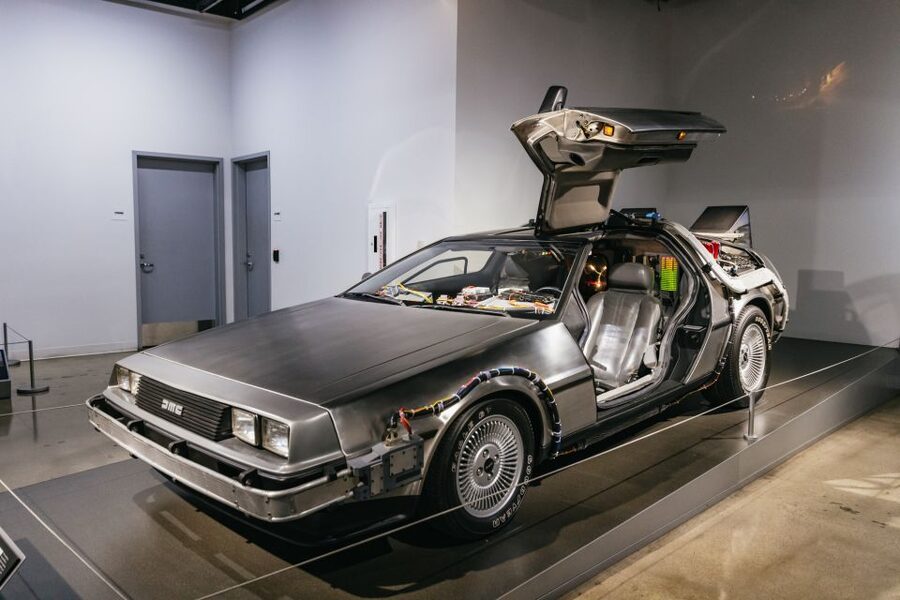
I also like the sheer variety: you are looking at over 100 vintage vehicles in about 25 exhibits, with everything from Italian Maseratis to Japanese supercars. The hot rods and custom collection adds a faster, louder mood, and it is a great place to take photos because the builds are dramatic and the displays are easy to scan.
One drawback to note up front is The Vault. A general admission ticket focuses on the main galleries, and access to their big lower-level car storage area is commonly treated as an extra add-on, so check what you want to see before you arrive.
Key Points
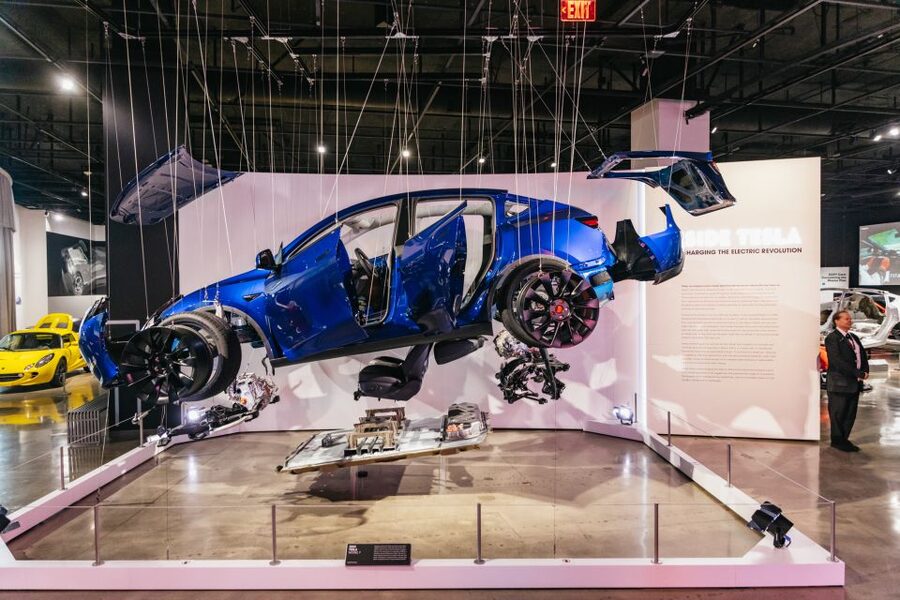
- Three floors of automotive timeline, from early vehicles to modern performance machines
- 100+ classic cars, trucks, and motorcycles spread across about 25 galleries
- Cars Mechanical Institute and other hands-on activities that work for kids and adults
- Hot rods and custom vehicles for high-energy racing culture vibes
- Forza Motorsports Experience plus an option to choose one of eight interactive experiences
Entering The Petersen: Location, Vibe, and Your First 10 Minutes
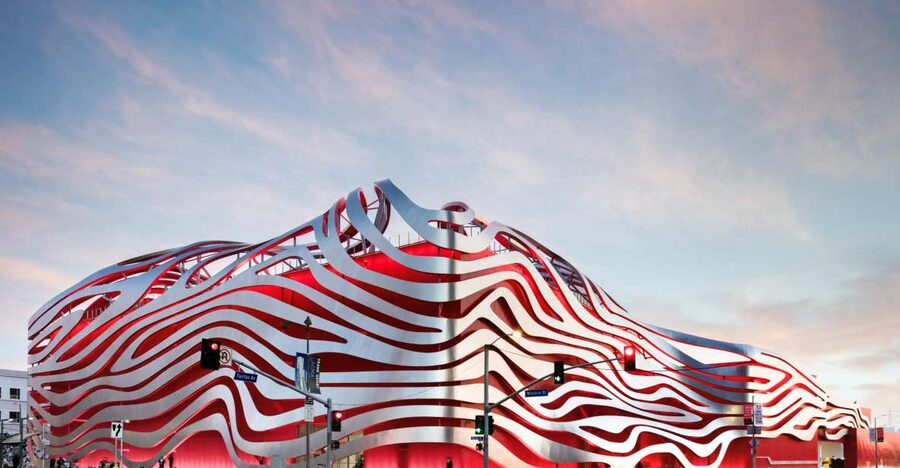
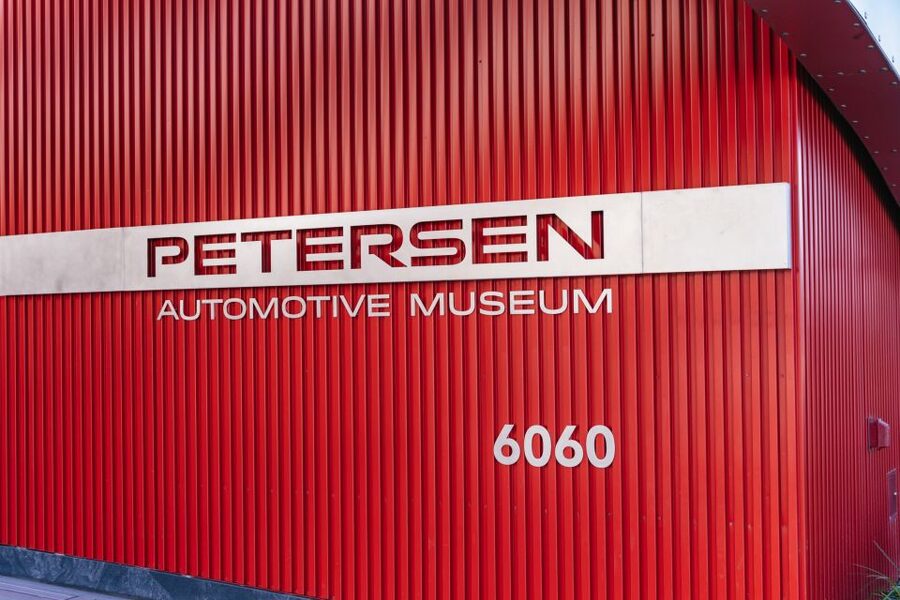
The Petersen Automotive Museum sits at 6060 Wilshire Blvd, right in the Los Angeles scene where cars are not just transportation, they are culture. This matters because the museum is built for browsing, not for speed-walking past a few items. Plan on one full day, and give yourself time to move at your own pace between floors.
Right away, you get the sense that this is a museum for real families and real car lovers. The price point helps, and the layout makes it easy to pick what you care about. I like that the signage and exhibit information are there to help you connect the dots, even if you only know car brands and not the engineering terms.
Do note two practical rules that affect how you plan the visit: food and drinks are not allowed, and smoking indoors is not allowed. That means you will want to eat before you go or plan snacks after. If you are coming with kids, this is one of those details that can save time and reduce stress.
Three Floors of 100+ Vehicles: How the Museum Keeps You From Getting Bored
The headline is simple: you are covering three floors packed with classic cars and motorcycles, with displays arranged into around 25 exhibit areas. The museum’s big promise is a long timeline, from early designs in the 1880s through the present day. That sweep is why this works as a “one visit” museum even for groups where interests differ.
On the upper levels, you tend to get the most classic “museum feel” with clean viewing, clear context, and a sense of craftsmanship. On the lower spaces, the energy can change depending on what is on display, but you still stay in that automotive storytelling mode. The best way to use three floors is not to “finish it all.” Instead, pick a route that matches your mood.
If you are a brand person, this museum is friendly. People often talk about spotting favorites, from historic classics to modern performance cars, including Italian Maseratis and Japanese supercars. If you are more interested in how things work, the exhibit set-up helps you focus on innovation, not just the shiny exterior.
The 25 Galleries: Where Engineering Meets Art
What makes the Petersen more satisfying than a basic showroom is the balance between beauty and mechanics. The museum is built around the idea that cars are inventions, and each display helps explain what the vehicle represents. That is a big deal for anyone who has ever visited a car exhibit and wished there was more to read than a plaque.
Across the exhibits, you will see the artistry and extravagance of iconic cars, but you will also get engineering context that helps you understand why they were built the way they were. One advantage of the gallery format is that it naturally breaks the day into chunks. You can spend 15 to 20 minutes with one theme, then shift to something else without feeling trapped in one long hall.
If you like tech, keep an eye out for the displays that focus on innovation and system design, not just the car’s fame. And if you are traveling with people who only want the highlights, the galleries make it easier to steer toward the most exciting cars without losing everyone else.
Hot Rods and Custom Collection: Turning Up the Energy
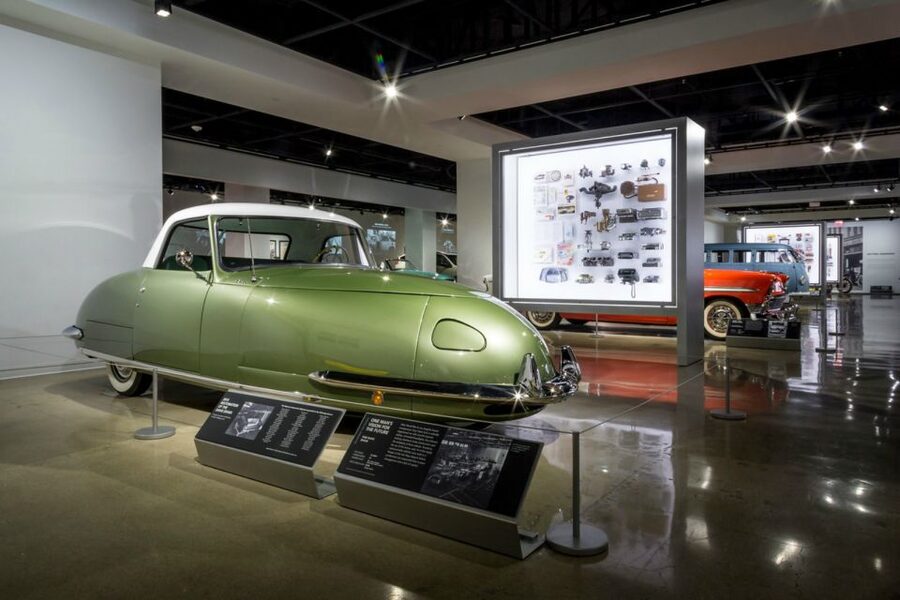
There is a reason the museum calls out the hot rods and custom collection as a “race” moment in the overall experience. These vehicles feel different from museum classics because they are about attitude, modification, and speed culture. If you want your day to shift from “history lesson” to “I want to see it move,” this is a key stop.
This section also helps with group dynamics. For non-enthusiasts, hot rods can be more approachable than early machinery because the designs look bold and easy to interpret visually. For car lovers, this is where the details jump out, from the stance to the workmanship that goes into custom builds.
Timing matters here. If you go too late, you might be tired and miss the fun. If you go first, you might lose your patience for reading later. My advice is to do hot rods and custom work after you have warmed up with the main timeline, so your brain is ready for a shift in vibe.
Cars Mechanical Institute and Other Hands-On Zones for Families
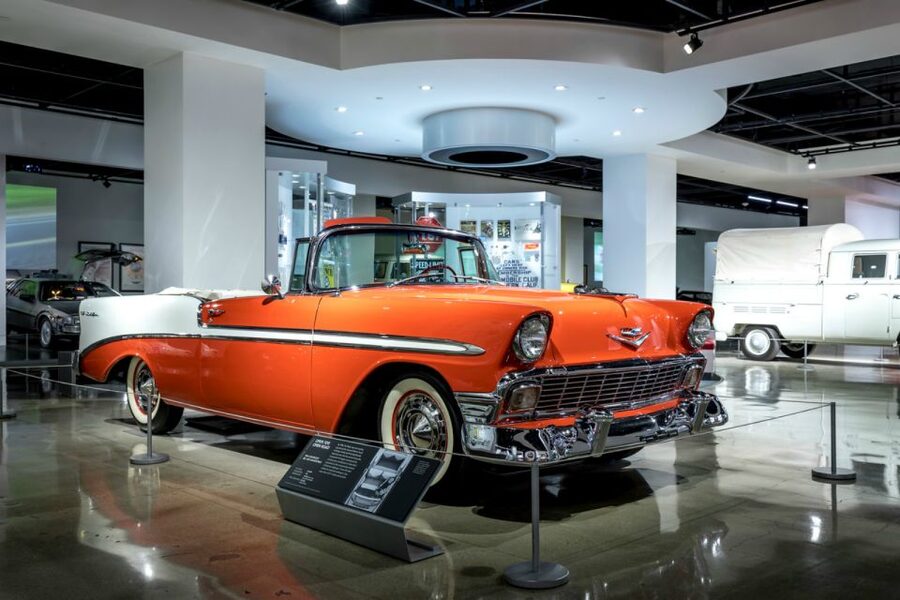
This is one of the museum’s strongest reasons to visit even if not everyone in your group is chasing car badges. The interactive areas are built around the idea that mechanics can be fun, not intimidating.
One standout is the Cars Mechanical Institute, inspired by the animated world. Instead of just watching and listening, kids and families can interact with activities that connect car systems to how cars behave. There are also activities where you can paint and personalize virtual cars, and even race and color your own Cars character to take home. That last part matters because it gives the visit a payoff beyond photos.
For younger kids, there is a racetrack-style play concept where kids can zoom toy cars around a track. If you have little ones who need movement, this is a relief valve. Even adults tend to enjoy these areas more than they expect because the experience is light, visual, and easy to join without a long instruction step.
My practical tip: if you are traveling with kids, treat the interactive zones like a priority appointment, not an afterthought. The day goes faster than you think once you start doing hands-on stuff. If your group likes photos, do the interactive stations early enough that you are not trying to play while everyone is hungry.
Forza Motorsports Experience and Choosing One of Eight Interactive Experiences
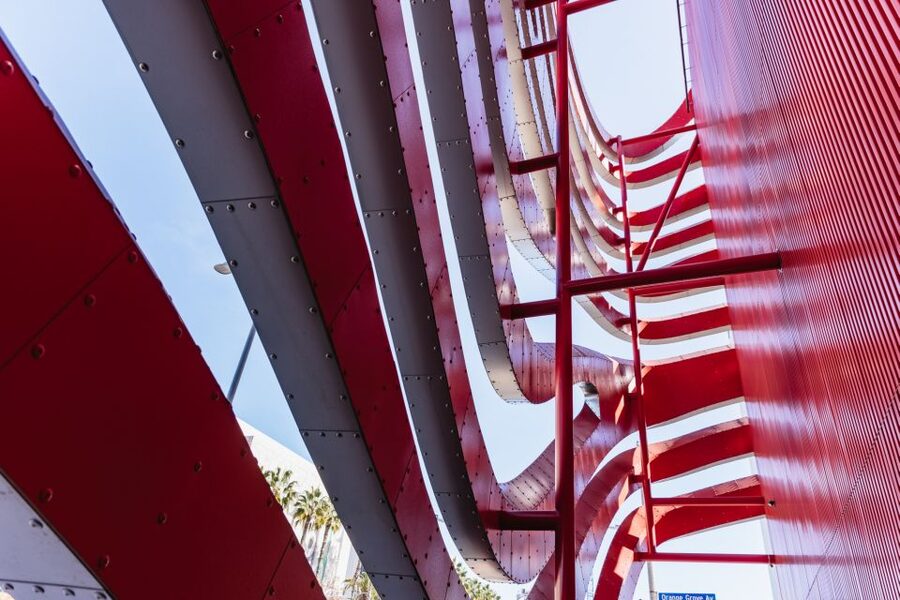
Alongside the Cars-themed areas, you can get behind the wheel through the Forza Motorsports Experience. It is a simulator style activity, and it is one of those things that changes the museum from “look at cars” to “feel the action.” Even people who do not usually play racing games often enjoy the moment because it is built around cars and driving cues.
You will also have options: you can choose one of eight interactive experiences. The key for planning is to pick what fits your group best. If you have teens or adults who love gaming, prioritize the driving-based experience. If your group is younger or more hands-on, prioritize the activity types that are easiest to join without needing long attention spans.
I like that this gives you control over the day. A museum visit can feel long when everyone is waiting for one person to finish reading. Interactive choices let you split attention in a way that feels fair, and they help keep energy up for the last third of your visit.
Planning Your Time: A Smart Route Through the Main Galleries
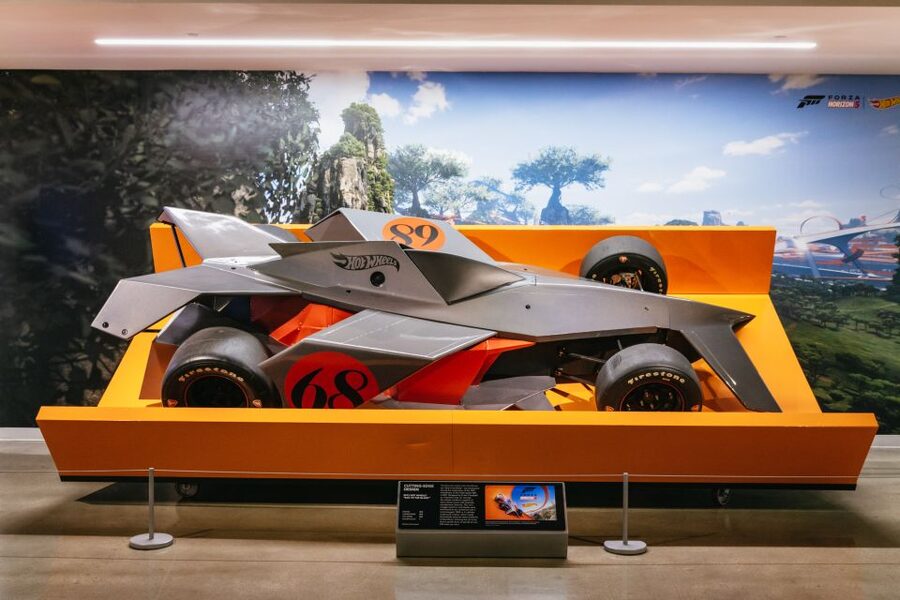
You can easily spend a lot of time here, especially if you like reading exhibit info and photographing details. Some people report spending about an hour and a half to get through a meaningful portion, and that pacing can work if you focus on a few “must see” areas.
Here is a route idea that usually makes the day feel smooth:
- Start with the timeline galleries so you understand the variety quickly.
- Midway through, switch to hot rods and custom builds for a mood change and photo opportunities.
- Then, aim for the interactive zones when your group’s patience starts to dip.
- Finish with the racing simulator and the final choice from the eight experiences, so the last part feels energetic.
If you are the type who always wants the most possible, you might be tempted to chase every exhibit. My advice is to resist that instinct. Cars are big objects, and walking between displays takes time. Choose your priorities and let the rest be a bonus.
Also, keep in mind that The Vault can change the entire math of your visit. If The Vault is on your list, plan time accordingly. Some feedback specifically calls out that a standard ticket does not include The Vault and that you might pay extra at the counter to access it. If your goal is maximum car count, factor this in before you commit your day.
Price and Value at $22: What You Get for Your Money in Los Angeles
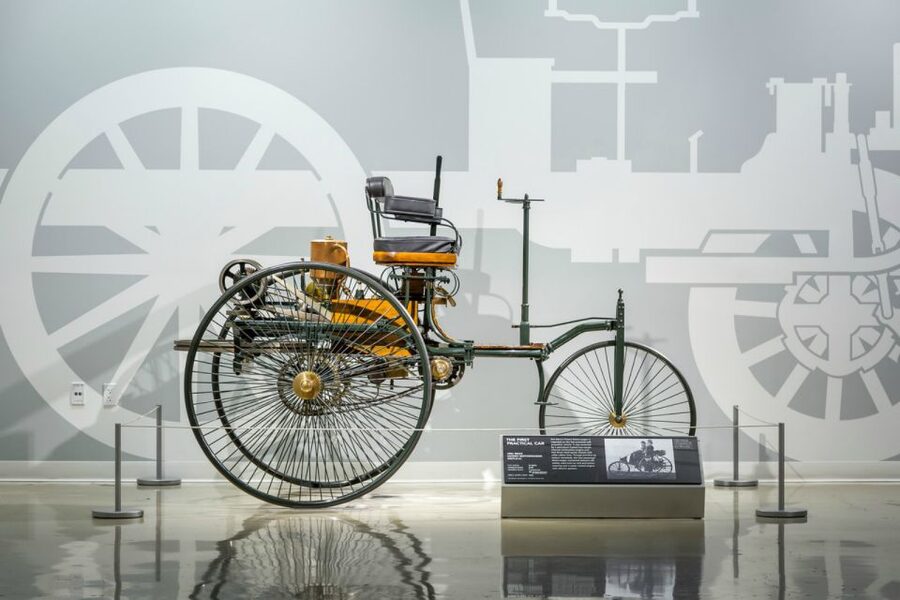
At $22 per person, this ticket positions the Petersen as one of the more attainable big-name museums in Los Angeles for people who care about cars. The value is not just that you get admission. It is that the museum includes both display time and interactive time.
You get three floors, over 100 classic vehicles, and around 25 exhibit spaces. That is a lot of viewing, plus the extra benefit of engineering context. If you are traveling with kids, the interactive zones make the ticket feel more like a full family outing than a passive adult museum stop.
Still, the value depends on your expectations. If you think the ticket will cover everything, including lower-level storage collections, you might feel surprised by optional extras. Some people have mentioned frustration about paying more to access The Vault, describing it as not matching their expectation for how much additional access they were getting.
So the best way to judge value is this:
- If your priority is the main galleries plus hands-on activities, $22 is a strong deal.
- If your priority is the museum’s biggest car cache, check whether The Vault add-on is a must for you, and decide if it fits your budget.
One more cost reality in LA: parking can be expensive. In at least one account, parking was flagged as costly, with a specific number called out. If you are driving in, I would plan your arrival with that in mind, so the day stays fun and not annoying.
Should You Book This Petersen Automotive Museum Ticket?
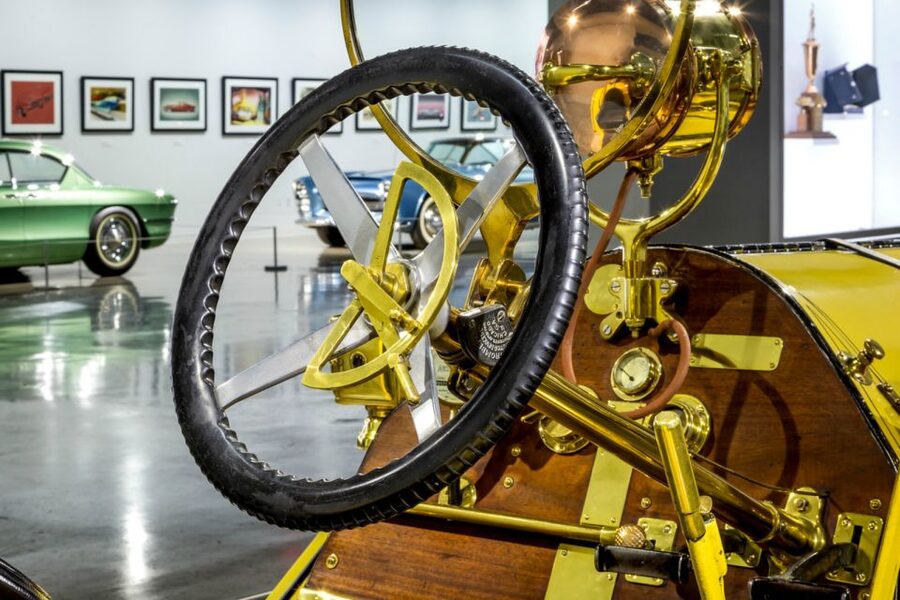
Book this ticket if you want a true Los Angeles car museum day without needing to be a hardcore collector. It is especially smart for families because the museum mixes classic cars and motorcycles with hands-on activities like the Cars Mechanical Institute and kid-friendly racing play. It is also a good choice if you want both beauty and mechanics in one place.
Skip or at least think twice if you only care about one specific type of car collection and you believe everything you want is included for the base price. If The Vault is your main goal, double check whether you will likely want that add-on so your day and budget line up.
If you are flexible, I’d treat this as a high-value afternoon to full-day museum stop on Wilshire. Go in with a short list of what you want to see, plan one interactive block, and leave room for browsing. The Petersen works best when you let the day be part gallery tour and part interactive play.
FAQ
Where is the meeting point for this museum admission ticket?
The meeting point is 6060 Wilshire Blvd, Los Angeles, CA 90036, USA.
How much does the Los Angeles Petersen Automotive Museum admission cost?
The price is $22 per person.
How long is the ticket valid?
The ticket is valid for 1 day.
What is included with this admission ticket?
It includes general admission to the Petersen Automotive Museum.
What can I expect to see inside?
You can explore 3 floors with historic cars and motorcycles, with over 100 vintage vehicles across 25 exhibits, plus interactive family-friendly displays and a racing simulator experience.
Is food and drinks allowed inside the museum?
No. Food and drinks are not allowed.
Is smoking allowed indoors?
No. Smoking indoors is not allowed.
Is the museum wheelchair accessible?
Yes, the museum is wheelchair accessible.
Does this ticket include The Vault?
This ticket covers general admission. Access to The Vault is treated as an extra purchase at the counter in some reports.
Can I get a full refund if I cancel?
Yes. Free cancellation is available up to 24 hours in advance for a full refund.
Los Angeles City Tours, compared.
 ★ 4.6Warner Bros. Studio Tour HollywoodFrom $767,191 reviews
 ★ 5.0Full-Day Iconic Sights of LA, Hollywood, Beverly Hills, Beaches and MoreFrom $996,147 reviews
 ★ 5.0Full-Day LA Tour: Santa Monica, Hollywood and Beverly HillsFrom $952,431 reviews
 ★ 3.7Hop-On Hop-Off Bus Tour with Audio GuideFrom $512,030 reviews
 ★ 5.0Half Day Best of Los Angeles Guided City TourFrom $691,966 reviews
 ★ 4.7Half-Day Best of LA TourFrom $591,778 reviews
 ★ 5.0Shared 3 Hour Los Angeles TourFrom $501,686 reviews
 ★ 4.1Hollywood & Celebrity Homes Open-Air Bus TourFrom $291,624 reviews
Browse the lists this tour appears in