
Reviewed · LOS ANGELES CITY TOURS
Los Angeles: Private Surfing Lesson with Equipment Rental
Two hours, one surf lesson, real progress. In Santa Monica or Manhattan Beach, you get private instruction and everything you need to ride, from sunrise to sunset. I also love the wave-by-wave feedback that helps you improve fast, instead of just getting tossed in the lineup.
One heads-up: you’re responsible for getting to the beach, including beach parking if you drive. You’ll also want to bring the basics like a towel, sunscreen, and a swimsuit to wear under the wetsuit.
Key Highlights You’ll Feel Immediately
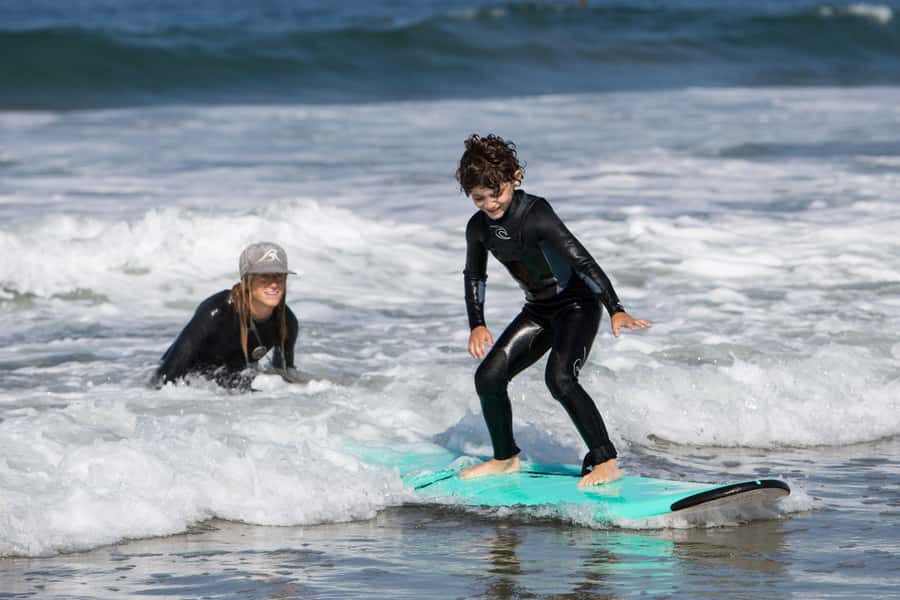
- Private, no-mixing instruction for kids, adults, or the whole family
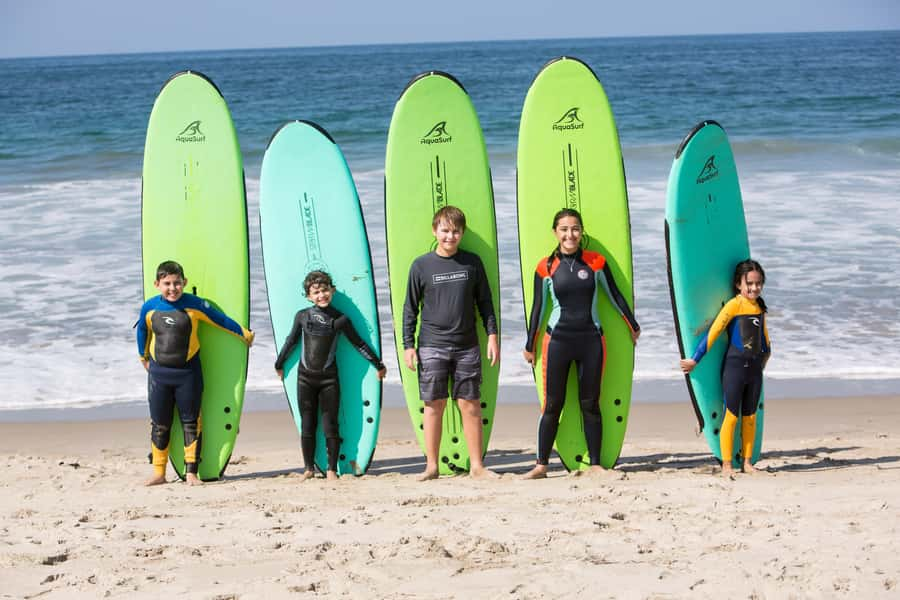
- Surfboard and wetsuit rental included, with full suits and board sizes from 6ft to 9ft
- Step-by-step coaching from sand practice to safe ocean approach and riding to shore
- Choice of beaches and time across Santa Monica Beach, Manhattan Beach, and Redondo Beach, from 6:00am to 6:00pm
- A fun surf-stoke finish, including how to throw a shaka
A Private LA Surf Lesson That Actually Guides You
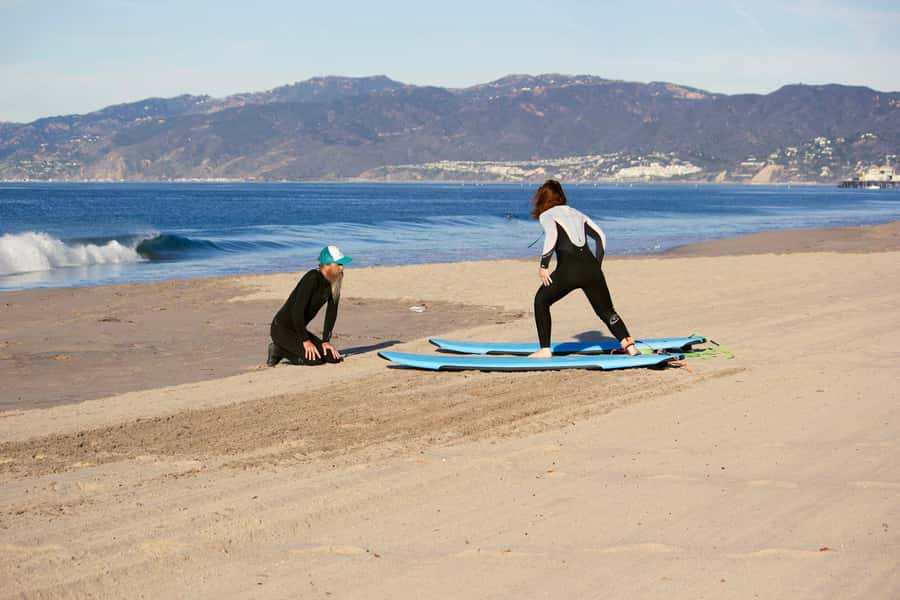
Los Angeles is great for surfing because it’s all right there, Pacific Ocean access, tons of coastline, and beaches where learning feels realistic. What makes this experience stand out is the setup: a private session with a dedicated instructor, plus all the gear included. That combo matters, because surfing is hard when you’re guessing, and a first lesson goes way better when you’re not.
I like that the coaching is aimed at getting you comfortable with the full process. You don’t just learn one skill. You learn how to handle the ocean, how to paddle, how to pop up, and how to stay balanced as you ride. That means you leave feeling like you understand what’s happening, not just that you got lucky on a wave.
The other big win is privacy. You can go as an individual, bring a kid, or bring the family, and you stay in your own bubble. That helps you ask questions freely, and it helps the instructor tailor drills to your level.
A few more Los Angeles tours and experiences worth a look


Choosing Santa Monica vs Manhattan Beach vs Redondo Beach
You’ll learn at Santa Monica Beach, Manhattan Beach, or Redondo Beach. The listing of options is useful because the LA coast can feel different from one beach to another, and it also helps you match your day. If you want something easier to fit into a family schedule, having multiple locations usually means you can pick the one that matches your timing and logistics.
What stays consistent is the lesson flow. No matter which beach you choose, you meet your instructor at the beach, get fitted with a wetsuit and surfboard, practice basics on sand, and then head into the water for a surf session with guidance. That consistency means you’re still getting a real lesson, not a vague “try it and see” experience.
One practical point: meeting points can vary by option booked. So plan to arrive a bit early, and keep your phone ready to check the exact spot once you’ve chosen your beach.
The First Part on Land: Wetsuit Fitting and Sand Basics
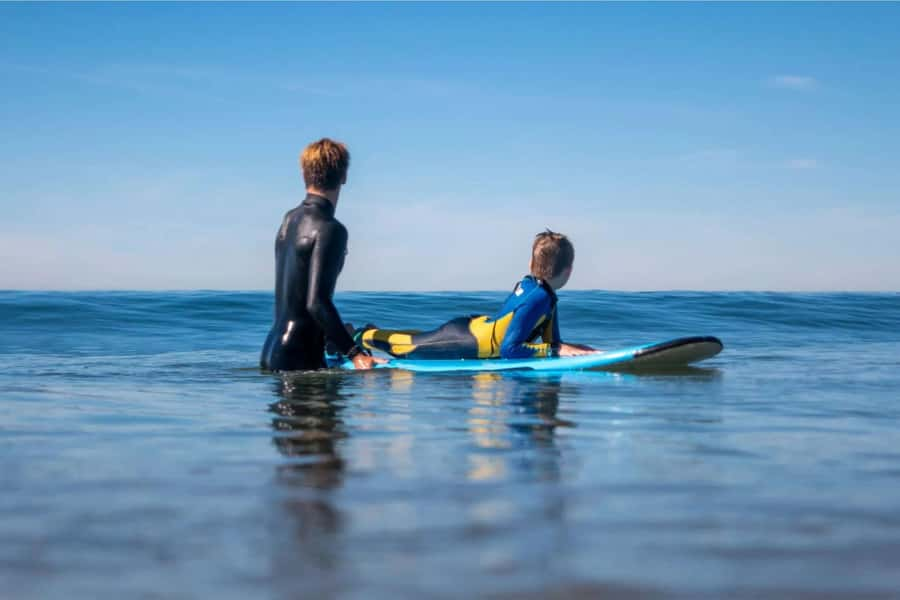
A good surf lesson starts before you even touch the water, and that’s exactly how this one works. Students meet their instructor at the beach, then get fitted with a wetsuit and a surfboard. The goal is comfort and correct sizing, because if you’re fighting your gear, your brain has less room for learning.
Next comes the sand phase. Your instructor covers the basics on shore before you go into the ocean. That usually includes things like stance, balance, where to place your hands during the pop-up, and how to transition smoothly. Doing this on sand helps you get your body patterns right without the extra pressure of waves and water movement.
You’ll also want to be prepared with the right clothing choices. Wear a regular swimsuit beneath the wetsuit, and bring a towel because you’ll want to get dry afterward and stay comfortable between sessions. Sunscreen matters too. Even if you’re in a wetsuit, you still want to protect skin that’s exposed during fitting and breaks.
A nice touch for newer surfers is that the instruction is designed to build confidence step by step. You’re not thrown into complicated tactics. You’re guided through the basics first, then applied in the surf.
In the Water: Ocean Safety, Paddling, and the Pop-Up
Once you’re in the water, the lesson shifts from technique to execution. Your instructor will coach you on the safe way to approach the ocean, plus the mechanics of paddling out. That safety piece is important because conditions can change, and knowing how to move confidently through waves is part of learning to surf.
Then comes the key moment everyone wants: the pop-up and the ride. Your instructor will work with you on transitioning from lying on the board to standing, and on balancing once you’re upright. For many first-timers, the hardest part is coordinating hands, feet, and timing all at once. Having someone there to guide you makes a big difference in whether the pop-up feels like chaos or like something you can actually learn.
After that, the session focuses on riding waves back toward the sandy shore. The instructor’s job is to help you stay aware and balanced as the wave carries you. And after each wave, you don’t just get time to cool off. You get quick tips and feedback aimed at improving your next attempt.
If you’re wondering how much you can realistically do in two hours, the answer is: a lot, as long as you’re willing to learn in the moment. The structure is built to give you multiple tries, not one dramatic attempt and then done.
What the Coach Does Between Waves (The Real Progress Engine)
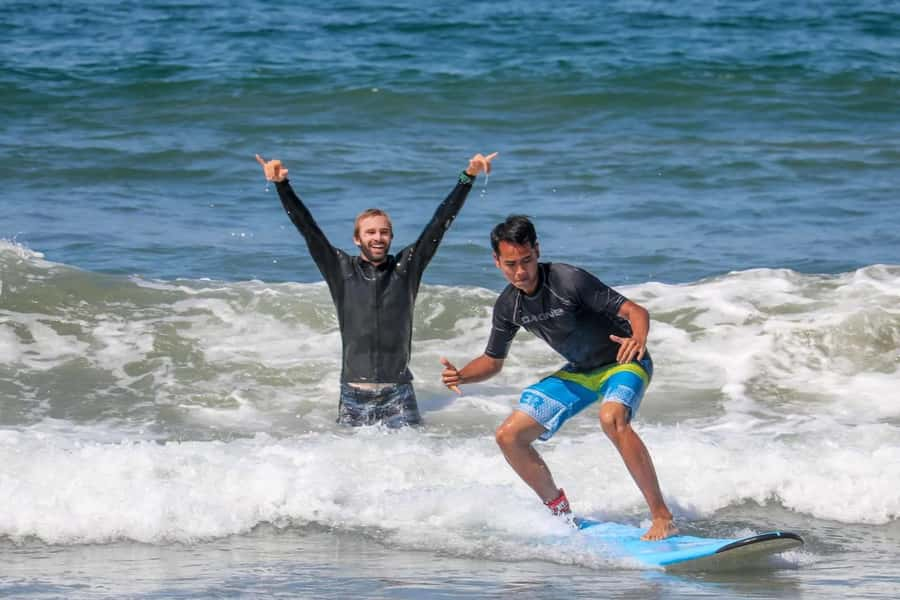
The most praised part of surf lessons like this is how personal and patient the coaching feels. In one example, an instructor named Chad was described as super nice and patient, and he explained things very well. Another highlight: an 8-year-old managed to surf some solid waves, which tells you the coaching is adapted, not just aimed at adults.
That wave-by-wave feedback loop is what you’re really paying for. Surfing has instant cause and effect. If your pop-up is late, you’ll feel it immediately. If your balance shifts at the wrong moment, the board will slip out from under you. When your instructor comments right after a ride, you can adjust right away on the next wave.
During that feedback, you’re likely to cover things like:
- how to approach the wave line
- when to paddle harder or conserve effort
- how to set your stance for stability
- what to focus on during the pop-up
Even if you don’t get a perfect ride every time, you’ll still learn something from each wave. That’s how you leave with real skill, not just a photo.
And yes, the stoke stays fun at the end. Make sure you ask your instructor how to throw a shaka.






Gear Included: Boards, Leashes, and Wetsuits That Fit the Season
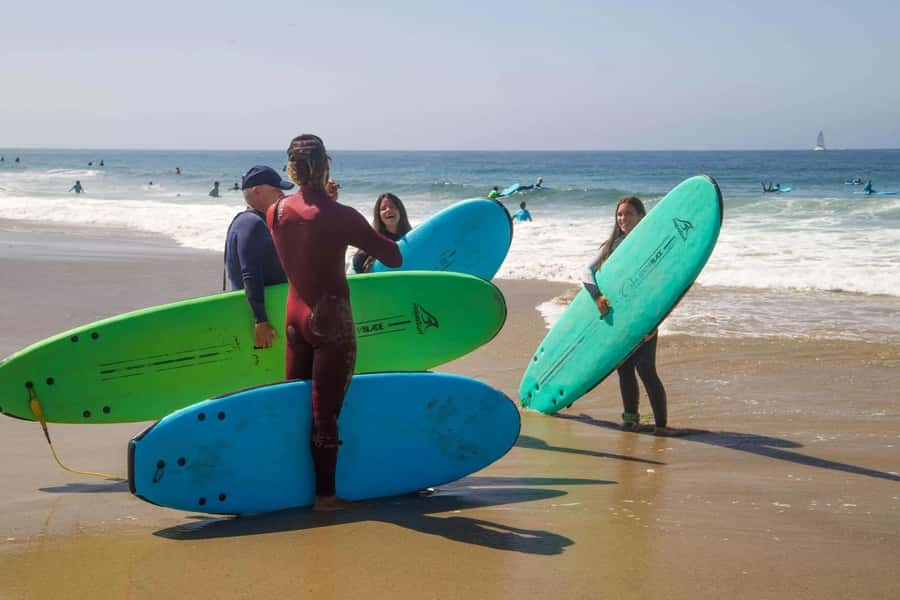
Good gear helps, and this lesson includes what you need. You’ll get a surfboard (sizes 6ft to 9ft) and a wetsuit (full-body suits in all sizes). Board length matters because a longer board can be easier to balance for beginners. The range from 6ft to 9ft gives the instructor flexibility to match your level and comfort.
You also get a surfboard leash. That’s not glamorous, but it’s crucial for safety. If you fall, the leash helps keep the board from becoming a runaway problem in the surf.
Wetsuits are provided in all sizes, with thicker wetsuits in non-summer months. That detail matters in LA because the ocean can feel cooler depending on the time of year and time of day. A thicker suit can make the difference between being able to focus and being stuck shivering through the lesson.
What you bring is also part of the equation. Pack a towel, sunscreen, and a water bottle. Even a short lesson can dry you out, and hydration helps you stay sharp during coaching.
Timing That Lets You Plan Around the Rest of LA
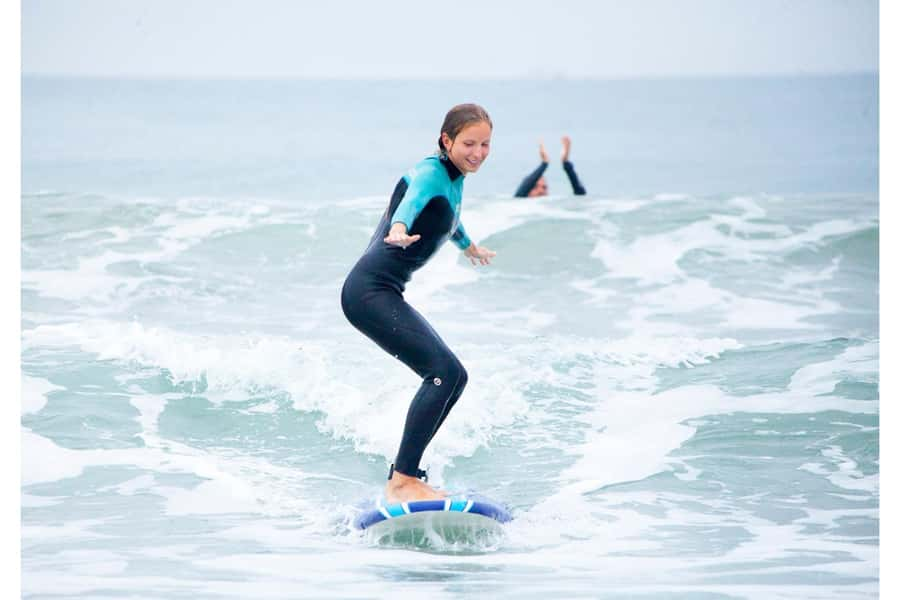
Lessons run from 6:00am to 6:00pm every day, which is a rare gift in a city where the day can fill up fast. Early surf often feels more calm and helps you get the experience done before the rest of LA pulls you in. But late-day options can work too if you’ve got flexibility.
You’ll be in the water for about a two-hour session total, including fitting and instruction. That’s a long enough block to learn the basics and still get multiple wave attempts, but it’s not so long that it becomes exhausting for kids or brand-new adults.
If you’re traveling, this timing flexibility can also help you avoid a full day “on the road.” Instead, you can plan surfing as a focused activity and then go eat, explore, or relax afterward.
Who This Works Best For (Kids, Adults, and Families)
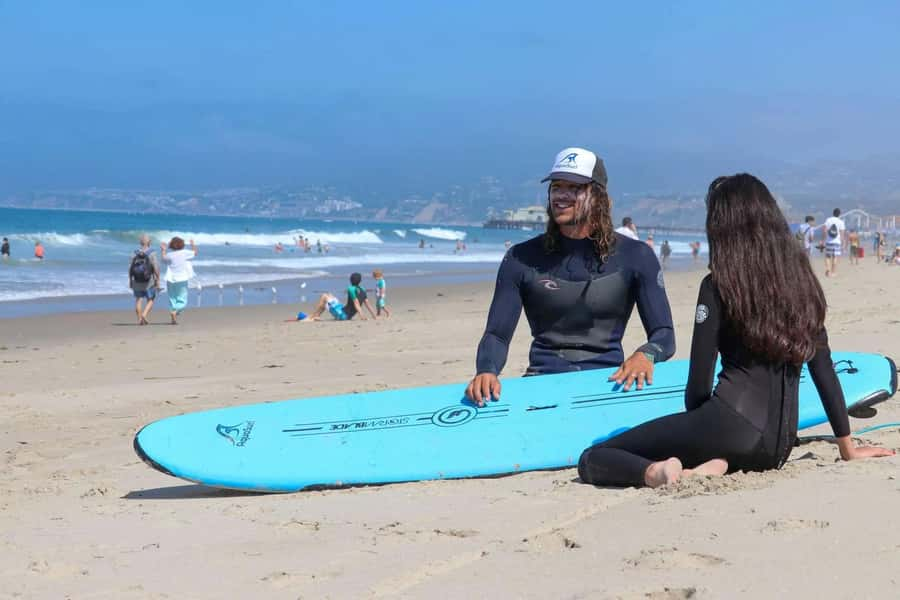
This is for ages 4 and up, and it’s not suitable for children under 4. If you’re planning a family outing, that age guidance is key because a private lesson can be more manageable when expectations match the child’s ability to follow instruction and get through the physical part of learning.
It also works well for adults who are brand-new to surfing. The coaching covers the full chain: safe approach, paddling, pop-up, balance, and riding to shore. A private instructor can slow things down and explain in a way that clicks.
The experience is wheelchair accessible, which means the provider has at least made access possible for guests who need it. If you or someone in your group needs specific support, you’ll want to plan for a smooth beach day with the instructor, but the activity is listed as accessible.
English-speaking instructors are included, so you can ask questions clearly and get feedback without a language barrier.
Finally, your group stays private. You can book for groups of 1 to 6. The minimum student-to-instructor ratio is listed as 3:1, but the key idea for you is this: students are never mixed with other students, so you get a true private feel and a focused learning environment.
Price and Value: Why $149 for Two Hours Can Be Worth It
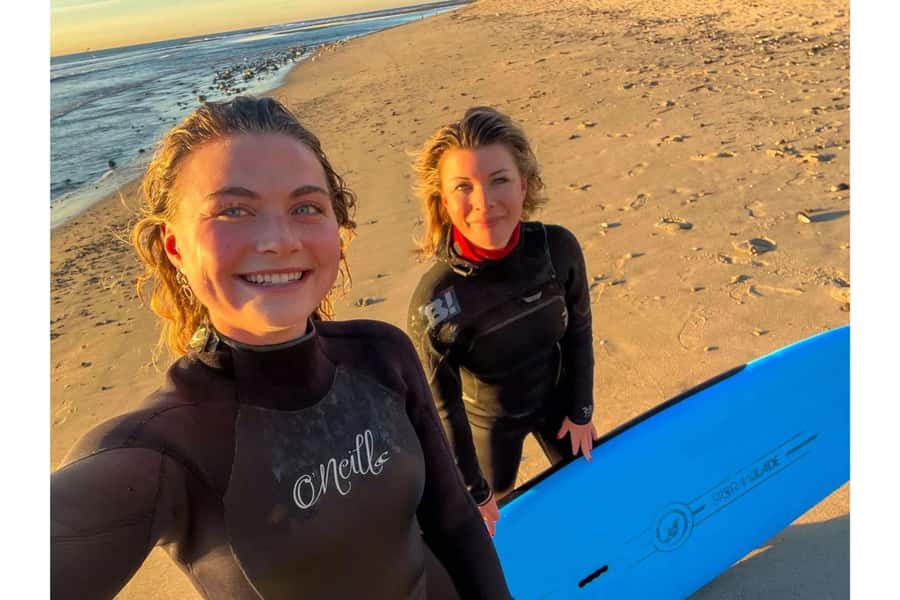
At $149 per person for a two-hour private lesson, it’s not the cheapest way to try surfing. But it can be good value when you compare what you’re actually getting: private instruction, no mixing, and equipment rental included.
Here’s how I think about the cost versus results:
- You’re paying for a dedicated instructor who teaches you specific skills, step by step.
- You’re not paying extra for a board, leash, and wetsuit, which adds up quickly if you’re renting on your own.
- You’re buying time that’s designed for practice and feedback, not just a scenic beach visit.
If you’re going with friends or family, the ability to book a private group of up to 6 can improve value, because multiple people benefit from the instructor time. Even at the individual level, the structure makes it easier to get more learning per hour.
The one place you might feel the cost is if you cancel last minute or you’re unsure you’ll stick with the lesson. But if you’re ready to learn and you come with the right basics (swimsuit under the wetsuit, towel, sunscreen), this price is more likely to feel like a practical investment in skill.
Practical Tips That Make the Lesson Go Smoother
Bring your own towel and swimsuit, and think ahead about sun and water. You’ll be in a full-body wetsuit, but you’ll still want sunscreen for exposed areas like your face and arms during fitting and breaks.
Wear something you’re comfortable swimming in under the wetsuit. A swimsuit that fits well will help you move with less distraction. Also bring a hat if you can, especially if you’re doing an early session or you’re prone to sunburn.
Pack water. Even if the session is only two hours, learning to surf is physical, and you’ll feel it in paddling and core balance.
A quick behavior note: smoking isn’t allowed. So keep it simple, clean, and respectful of the beach environment.
And when you arrive, plan your day around the beach. You’re responsible for transportation and beach parking if you drive. If that part stresses you out, consider timing the lesson around a day when parking is easier for you, or build in buffer time so you don’t rush.
Should You Book This Private Surf Lesson in LA?
If you want a surfing lesson where you get real coaching and you don’t want to sort out gear or logistics alone, I’d book it. The strongest reason is the private structure: you meet an instructor, get fitted, practice on sand, then get coaching in the water with feedback after waves. That’s the path to progress, especially for first-timers and kids.
Book it if:
- you want a beginner-friendly surf lesson with safety guidance
- you care about getting personal feedback during the session
- you want equipment rental handled for you
Skip it if:
- you don’t want to handle beach logistics like transportation and parking
- you’re looking for a casual, hands-off beach experience instead of structured instruction
- you’re bringing a child under 4
If you’re ready to learn the basics and catch waves with a pro, this is a smart way to spend two hours on the LA coast.
FAQ
What beaches are used for the surfing lessons?
Lessons are taught at Santa Monica Beach, Manhattan Beach, and Redondo Beach.
How long is the private surfing lesson?
The duration is 2 hours.
What’s included with the lesson?
You get private surf instruction and all necessary equipment, including a surfboard, wetsuit, and a surfboard leash.
What should I bring to the beach?
Bring a hat, swimsuit, towel, sunscreen, and water.
What age is this experience for?
It’s suitable for ages 4 and up. It is not suitable for children under 4.
Is this a private lesson with dedicated coaching?
Yes. It’s a private group, and students are never mixed with other students for a fully private experience.
More Workshops & Classes in Los Angeles

More Tour Reviews in Los Angeles
Not for you? Here's more nearby things to do in Los Angeles we have reviewed











Los Angeles City Tours, compared.
 ★ 4.6Warner Bros. Studio Tour HollywoodFrom $767,191 reviews
 ★ 5.0Full-Day Iconic Sights of LA, Hollywood, Beverly Hills, Beaches and MoreFrom $996,147 reviews
 ★ 5.0Full-Day LA Tour: Santa Monica, Hollywood and Beverly HillsFrom $952,431 reviews
 ★ 3.7Hop-On Hop-Off Bus Tour with Audio GuideFrom $512,030 reviews
 ★ 5.0Half Day Best of Los Angeles Guided City TourFrom $691,966 reviews
 ★ 4.7Half-Day Best of LA TourFrom $591,778 reviews
 ★ 5.0Shared 3 Hour Los Angeles TourFrom $501,686 reviews
 ★ 4.1Hollywood & Celebrity Homes Open-Air Bus TourFrom $291,624 reviews
Browse the lists this tour appears in