
Reviewed · WORKSHOPS
Family Surf Lesson
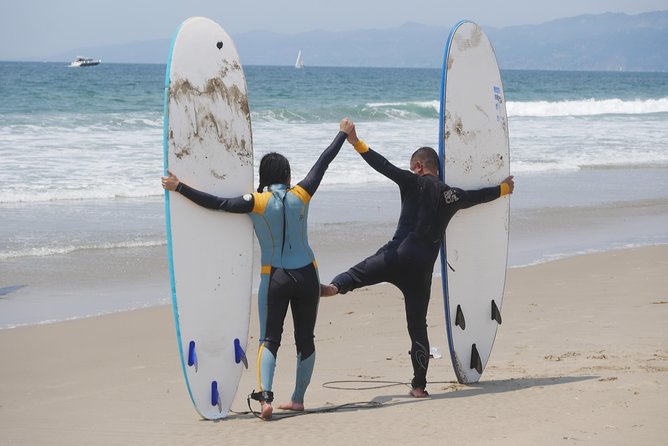
Venice Beach can turn nerves into standing. A Golden Wave Surf School family surf lesson is built around fast progress, with a small-group setup and pro coaching for getting you into real waves. You’ll focus on surf basics and safety, then work toward the big goal of standing up on your board before the end.
I like that the lesson is structured so an instructor can actually stay on top of what you’re doing. That matters, because surfing is mostly feedback in the moment: feet position, timing, and how you handle the board after you pop up. One thing to consider is that the school uses a more mobile, on-the-ground gear setup, so it’s smart to check wetsuit condition and fit before you head out.
Key highlights worth knowing
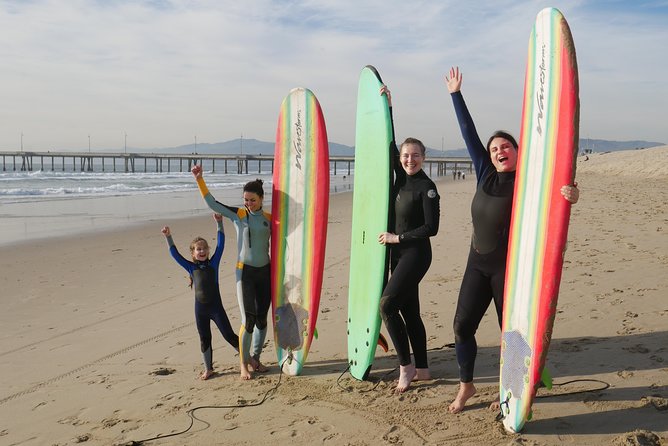
- Small-group lessons (max 10) keep your instructor focused on your turns and timing
- WSL-level coaching background means technique and safety get treated as one system
- Safety first, then basics so you know what to do before you chase waves
- Stand-up goal by the end helps you leave with a real milestone, not just paddling
- Venice Beach meeting point at 10 Washington Blvd makes it easy to plan your morning near transit
- Optional photos and videos can add a nice memory of your session, at an extra per-person cost
Golden Wave Surf School at Venice Beach: What You’re Really Booking
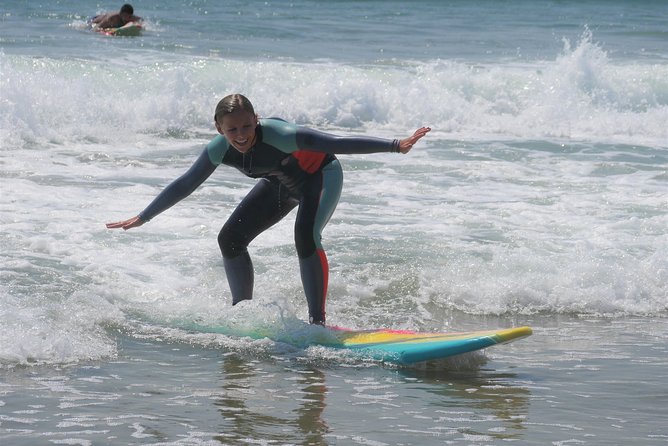
This isn’t a watch-and-cheer activity. It’s a hands-on surf lesson in Los Angeles, centered on helping you go from non-surfing to actually catching small waves with a board under your feet. The lesson runs about 2 hours and is offered in English, so you’ll get direct coaching rather than a generic demo.
What makes this booking practical is the combination of instruction style and goal setting. You’re not just learning rules like where to sit or how to hold the board. You’re coached on core technique and safety basics, and then guided through attempts where standing is a realistic outcome. In at least one session, the group left with everyone standing and catching small waves at least once, which tells you the bar they aim for.
The company behind it, Golden Wave Surf School, also describes the head coach as a certified professional surf coach and a WSL professional surfer. You also see instructors named Alex and David in real-world sessions, and they’re described as breaking things down into steps that work for both adults and kids.
A few more Los Angeles tours and experiences worth a look


Meeting at 10 Washington Blvd: A smooth start (and what to expect on arrival)
Your lesson starts at 10 Washington Blvd, Venice, CA 90292. It ends back at the same meeting point, so you don’t have to solve transportation for the return. The location is near public transportation, which is a real plus in Venice, where parking can be a hassle.
Here’s the part to be ready for: the school operates with a mobile, on-the-ground setup. In one experience, people met in a parking lot setup where wetsuits were handed out. That might be the norm, or it might vary by day, but either way, it’s worth arriving early enough to get comfortable with the process.
Before you sign off on gear, do a quick check. Make sure the wetsuit fits your shoulders and legs well, and look for tears or loose seams. Surf is a full-body effort, and a compromised wetsuit can make you cold, less flexible, and less focused. If anything looks off, ask for a different suit right away.
Safety and basics that matter fast, not later
A good first surf lesson has two jobs: keep you safe and teach you something useful quickly. This lesson is explicitly built around both. The instruction includes surfing technique basics and safety so you understand what you’re doing before you’re asked to paddle hard and time a wave.
In practice, that usually means you’ll spend time on fundamentals like:
- how to position your body on the board before paddling
- how to handle your board as you catch a wave
- what to do for safety in the water so you’re not guessing
You’ll also benefit from the fact that the group size is limited, maximum 10. That cap matters because surf coaching isn’t passive. You need your instructor to notice what you’re doing wrong and fix it early, before you lock in a bad habit. If you’ve ever tried to learn with a crowded class, you know how easy it is to lose the thread. A smaller group gives your instructor more chances to correct you and keep you moving forward.
Getting time on waves: The path from paddling to standing
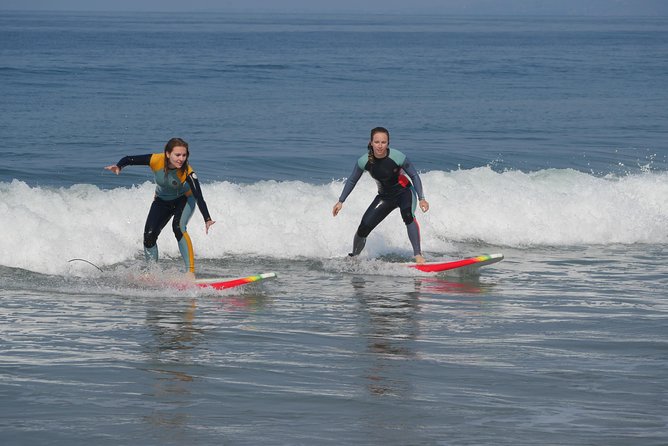
The lesson is designed so you can stand up before it ends. That’s not just a feel-good promise. It shapes the whole coaching approach: you’ll be guided through the skills needed to pop up safely and catch manageable waves.
Expect the session to follow a progression like:
1) quick coaching and setup so you know what to do
2) practice-oriented moments where you build confidence on the board
3) real wave attempts, with your instructor managing positioning and timing
In multiple reports, instructors like Alex are praised for giving clear steps to both adults and children, and for making sure everyone catches waves. There’s also specific praise for how time is divided in small groups, with an instructor spending enough attention so beginners and kids can still reach a milestone.
A useful expectation to hold: you’ll probably not master everything in 2 hours. But you should leave with a better sense of how surfing works, and at least one moment where you actually stand and ride a small wave.
Gear, water depth, and how to protect your session
Surfing is physical, and it happens in a place where conditions can change. The lesson depends on good weather, and instructors choose a surf spot that can support beginner success. That’s the goal.
Still, you should know there can be a mismatch between what beginners feel prepared for and what the water is like. One experience described the surf location as extremely shallow, and falls meant hitting sand quickly under the water. That doesn’t mean the lesson is unsafe, but it does mean you should plan for the reality of beginner falls.
Your best defense is simple:
- Wear your wetsuit snugly and check it first
- Ask your instructor about how shallow the water will be for beginners
- Stay honest about your comfort level and tell the instructor if you’re worried about depth
Also note the lesson is for people with moderate physical fitness. You don’t need to be an athlete, but you should be ready to paddle, get up on a board, and repeat attempts with short bursts of energy.






Family surf lesson logistics that actually help with kids
This one is billed as family surf, and the instruction approach is described as working for adults and children. One reported session includes an 8-year-old who learned with support that was adjusted into easy, fun steps. That’s what you want when you’re taking kids: clear guidance that doesn’t require experience to understand.
One rule to double-check at booking is age requirements for private lessons. The provided policy says you must book a private lesson if you are under 18. At the same time, there are real-world reports that kids joined a group session and learned alongside adults. That contradiction can happen when rules are interpreted differently or depend on circumstances, so I’d handle it like this: confirm the exact age policy when you book, and ask whether your child can join the group lesson or needs private instruction.
If your child is coming, bring a realistic attitude. The lesson time is short, so kids do best when you keep expectations simple: one or two good attempts, lots of encouragement, and safety rules followed calmly.
Who this lesson is for, and who should consider private coaching
This surf lesson is a strong fit if you want:
- a small-group class that gives you individual coaching time
- a pro-guided focus on safety and beginner technique
- a clear outcome goal, standing up before the end
It’s also a good match if you like structure. Surf lessons can feel random if you’re left to figure things out. Here, the coaching is targeted, and the group cap helps the instructor manage your progress.
Private lessons may be the better call if you:
- do not know how to swim (the policy says private is required)
- have disabilities (private required per policy)
- do not speak English (private required per policy)
- are planning a private party event (private required per policy)
That private requirement also matters for families who want maximum comfort and slower pacing, especially if someone is nervous or physically limited.
Photos and videos: Worth the extra cost for most families
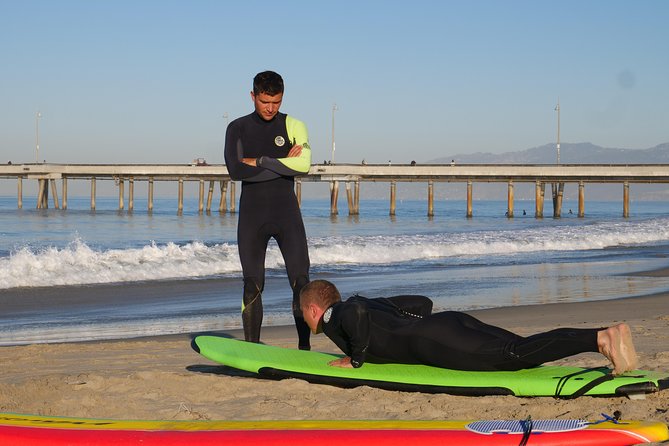
One of the easiest “value” decisions you’ll make on this type of lesson is whether to add photos and videos. There is an extra cost of $20 per person for pictures and videos, and at least one session called that add-on worth it.
Here’s why it can be a smart buy. Surf success can be fast and a little chaotic. Your body is focused on timing, balance, and safety. After the lesson, it’s hard to remember exactly where you stood and how the wave felt. A photo or short video can help you see your board angle, your stance, and the moment you stood up, which makes your next lesson easier because you know what to repeat.
If you’re on the fence, think about who will appreciate it most:
- Kids often love seeing themselves succeed
- Non-surfing family members like having proof
- If you plan to continue surfing, visual feedback helps you track progress
Value check: Is 2 hours enough, and is this good value?
Two hours sounds short, but that’s kind of the point. The lesson is built around fast progress with a goal you can reach in one session. For beginners, that’s a win. You’re not signing up for a long training program just to learn where to stand.
Value comes from three things here:
1) Small-group size so you’re not stuck watching others
2) Instructor-driven technique and safety so you’re not practicing unsafe habits
3) A milestone outcome like standing up before the end
The potential drawback is gear quality consistency, since the gear setup may be a bit casual and wetsuits may be handed out in a parking-lot style setup. That’s fixable with your own quick check before you suit up.
If you’re the type who wants calm, polished operations with zero surprises, you might get a different vibe depending on the day. But if you mainly want real coaching, real waves, and a strong chance at standing up, this lesson fits the bill.
Should you book this family surf lesson in Venice?
I’d book it if your goal is beginner-friendly coaching with a small group and a real shot at standing up during your 2-hour session. The best reasons are practical: pro-level instruction, a tight group size, and the clear focus on safety plus technique.
I would pause and verify a couple details first:
- Confirm how age policy works for your child, since the private-lesson rule for under-18 needs clarification for group bookings
- Ask about wetsuit condition and try to arrive early enough to check fit and seams
- Tell the instructor what makes you nervous, especially around water depth and falls, so they can set you up appropriately
Book if you want a morning of learning that feels like you did something, not just watched something. Skip or switch to private coaching if you need more individualized support due to swimming comfort, disability, language needs, or event requirements.
More Workshops & Classes in Los Angeles


More Tour Reviews in Los Angeles
Not for you? Here's more nearby things to do in Los Angeles we have reviewed











Workshops, compared.
 ★ 4.8Surfing Lesson in Venice BeachFrom $69442 reviews
 ★ 5.01.5-Hour Surf Lesson in Santa MonicaFrom $140146 reviews
 ★ 5.0Shared 2 Hour Small Group Surf Lesson in Santa MonicaFrom $85144 reviews
 ★ 5.02-Hour Surf Lesson in Santa MonicaFrom $14595 reviews
 ★ 5.0Surf Class for Beginners in Venice83 reviews
 ★ 4.8Private Surfing LessonFrom $9975 reviews
 ★ 5.0Private Surfing Lesson in Santa MonicaFrom $12547 reviews
 ★ 5.0Private Surf Lesson in Venice Beach42 reviews
Browse the lists this tour appears in