

Reviewed · LOS ANGELES CITY TOURS
Los Angeles’ Dreamland: A Culver City Audio Tour
Culver City gets cinematic fast. This self-guided walking tour uses VoiceMap audio so you can learn how Harry Culver shaped this suburb and how film legends built their work lives here, and I especially like the offline maps and audio for flexible pacing. The one thing to plan for is occasional phone-location confusion, which can make turn-by-turn direction feel frustrating.
If you want a low-cost way to cover real streets instead of just driving past them, this is a good bet. At $8.99, you are paying for a guided story in your own rhythm, with lifetime access to revisit the route later. Still, it is not a museum tour, so you will be seeing a lot from the sidewalks and gates, not going inside every stop.
Key highlights worth your time

- Offline audio and maps through the VoiceMap app, so you can keep going even with spotty data
- Real film geography on foot, including the MGM/Sony front gate and classic studio-adjacent streets
- Story stops you would miss if you only drove, like side streets, public art, and small landmarks
- Photo-friendly pacing, with breaks where you can pause for shops and food nearby
- Surprisingly funny and personal narration that mixes big names with street-level detail (in one recording, the narrator is Manny)
Why Culver City works as a walking audio tour

Culver City has that Hollywood-meets-neighborhood feel that is hard to catch from a car window. The streets are compact enough that you can actually hear the city while walking, and the story line keeps pointing you toward landmarks tied to production life, studio culture, and local character.
What I like about this tour setup is that it is not just “look at that building.” The audio pushes you to pay attention to names on corners and gates, then turns those into mini stories. You start with the developer behind Culver City itself, then you move through studio-adjacent blocks, neighborhood businesses, and small public landmarks. It is a walking plan that feels built for people who like context, not just trivia.
You should also know the tour is self-guided. There is no escort walking beside you. That means you need to stay aware of traffic when you are near busier roads, and you will rely on your phone for cues.
You can also read our reviews of more city tours in Los Angeles


Price, timing, and what you are really paying for
The price is $8.99 per person, and that sounds easy because it is low enough to try without overthinking the budget. The bigger value play is what comes with it: lifetime access to the tour in English plus offline access to audio, maps, and geodata inside the VoiceMap app.
In other words, you are not only paying for today’s 75 to 90 minutes. You are buying a repeatable story route you can use again later if you come back to Culver City or want to show a friend around. If you tend to walk at your own pace, that matters.
Plan for about 1 hour 15 minutes to 1 hour 30 minutes if you keep moving and don’t linger too long at each stop. If you stop to browse shops or take photos, it can easily run longer. One helpful detail from experience is to bring water and comfy shoes, because this is a real walk, not a “drive to a spot then step out” style tour.
Where you start, and why Harry Culver matters
Your tour begins next to the Culver Hotel at 9400 Culver Blvd, Culver City, CA 90232. That location is smart because it anchors the story at the center of the area. You are not starting in a random parking lot. You are starting where the city vibe is actually happening.
The first story is about Harry Culver, the visionary developer the suburb is named after. Even if you do not know the name yet, the narration gives you the why behind the place. It sets a framework for everything you will see next, because Culver City is not just studios, it is development, planning, and the idea of creating an industry-friendly neighborhood.
Practical tip: if you are driving, one parking approach is to park underground at the Culver Hotel area. In one tip shared during the tour experience, the first hour is free, then it becomes $3 per hour after that. That makes it easier to start on time and not pay a fortune before you even begin walking.
Studios, Media Park, and Actors Gang Theatre

After the origin story, you head into downtown and studio-adjacent streets. One of the highlights here is passing Culver City Studios and the Actors Gang Theatre in Media Park.
These stops work well on audio because the narration can connect production life to the blocks around it. From a sidewalk, you start to understand how easy it would have been for creative people to move between work, rehearsal, and everyday life. It also helps you notice details you tend to ignore when you are rushing.
The Actors Gang Theatre stop is a nice reminder that this area is not only about big-screen glamour. It is also performance culture, and it gives your walk a more human, arts-focused tone before you head toward the film-gate landmarks later.
You might also like that the route includes smaller streets and side blocks. That is where the audio feels most “local,” because you get a better sense of neighborhood scale than you would get from a larger road. Still, it means you will want to keep your eyes up and your phone secure, not dangling while you cross.
Citizen Public Market and the food-and-drink sidestops

One of your scheduled beats is Citizen Public Market, plus other dining spots along the way. This is a good time to slow down, grab a snack, or just browse if you feel like turning the tour into a longer outing.
Then the audio starts pointing out watering holes like Seventy 7 Speakeasy and Backstage Bar. The appeal here is the contrast. You are walking studio-world streets, then the story brings you down to places where people might pause between meetings or production demands.
The tour is not a food tour. Food and drink are not included, and you will need to plan your own stops. But those mentions are useful because they tell you where you can pivot mid-walk if you need a break. It is the difference between finishing the route with no plan and having a “safety valve” for hunger and thirst.
A few more Los Angeles tours and experiences worth a look




The Culver City Clock, and small landmarks with big meaning

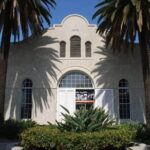
As you continue, you pass the Culver City Clock. It is the kind of landmark you might notice but never fully read. That is why this kind of audio tour works: you get prompted to see the clock not just as a landmark, but as part of the city’s identity.
This is also a good example of how the tour balances famous names with everyday urban markers. You are not only learning who drove through gates. You are learning what people actually used as reference points while living and working here.
A practical note for listening: if you are walking near traffic, it can be hard to hear audio clearly. Bringing earbuds/headphones helps a lot. The tour does not include headphones, so you will need your own. Even decent wired or wireless earbuds will make the difference between enjoying the narration and struggling to catch words while you walk.
Zoetropes and Alandales, plus the feel of film-era art

The route includes passing the Zoetropes of Culver City and Alandales. On paper, these names might not mean much. On foot, they add flavor because they break the tour into distinct “moods,” from studio-adjacent locations to art and local neighborhood texture.
Zoetropes are a particularly fun kind of landmark for an audio tour, because the concept is inherently visual. The audio framing gives you something to watch for as you move past, so you are not just counting stops.
Alandales is different in tone. It is more of a “get your bearings” stop that helps you understand the route as a real walking loop through the city. That matters because the tour is self-guided. When you recognize an area by feel, the whole experience becomes easier to navigate.
Kirk Douglas Theater and the idea of secret previews

One of the more memorable beats is your chance to visit the Kirk Douglas Theater. The narration explains it was used for secret and unannounced previews to gauge audience reactions.
This is exactly the kind of story that works on a sidewalk walk. You are not sitting in a theater seat with a ticket in your hand. You are seeing where the process might have started, then hearing how feedback and testing shaped what came next.
If you are a film person, this stop gives you a behind-the-scenes angle. If you are not, it still works because it explains the purpose: entertainment is made, tested, and refined before wide release. That is a useful lens for how Hollywood operates, even when the city is only visible in fragments.
Remember, the tour does not include guided museum-style access. If you want to go inside any building or attraction you see mentioned, you will need to pay separately.
Hobbit Houses: Lawrence and Martha Joseph Residence and Apartments
Then comes a stop that sounds like a movie set, because it is known as the Lawrence and Martha Joseph Residence and Apartments, affectionately called the Hobbit Houses.
This part of the tour is a nice shift away from studio gates and toward residential Hollywood lore. It gives you a feel for how celebrity life and everyday housing stories intersected in Culver City.
The narration also addresses which celebrities have stayed in that residence and apartments. Even if you only catch a couple of names, the bigger takeaway is how close the glamour was to the neighborhood scale. You are walking in places where “famous people” were not distant myth, they were part of the street scene.
The MGM/Sony front gate, celebrity routes, and off-screen stories
A major anchor stop is the MGM/Sony Pictures front gate. The audio points out that stars such as Marilyn Monroe, Brad Pitt, and Leonardo DiCaprio drove through this gate on their way to work.
This is one of the best places for your first-time Culver City visit because it gives you a clear, iconic boundary. When you stand near a gate tied to major productions, the tour’s film-story theme clicks into place.
The narration also talks about careers, private lives, and sometimes illegal activities of film greats, both on-screen and off. That part is entertaining if you like the darker corners of Hollywood mythology, but keep your expectations balanced. This is audio storytelling, so the tone is shaped for narrative effect, not for a courtroom.
If you want to photograph, do it safely. Gates and sidewalks can bring foot traffic and traffic noise. Treat it like a normal urban photo moment, not a “stay in the street for the shot” situation.
Audio, app setup, and how to avoid the common frustrations
This tour is built around the VoiceMap app for Android and iOS, with offline access to audio, maps, and geodata. That is a strong feature because you are not hostage to cellular coverage while you walk.
That said, some of the issues people report are real-world ones:
- At times, the app can show you on the wrong street or give confusing direction cues.
- Connections can drop briefly, especially if your phone is being picky.
- Audio can get hard to hear near busy roads.
Here is how I would handle that with a calm plan:
- Get a route overview before you start. Have the full track visible so you can recover quickly if a turn cue goes weird.
- Use headphones. Road noise is real, and narration is the whole point.
- If the map confuses you, pause and resync. Your best fix is to check where you are relative to the next named stop, then restart when you are aligned.
- Expect longer than the minimum. If you want a slow, photo-friendly pace, plan for more than 90 minutes.
One more good habit: you can treat it like a flexible walk. When you see a place you want to pop into, you can pause and resume. That turns the tour into a neighborhood stroll with story chapters, not a rigid “walk straight through” checklist.
Also, a nice human touch: the narration can feel personal, and in one audio experience the voice associated with the walk is Manny. That kind of storytelling style makes the history feel like street talk.
Who should book, and who might not love it
This tour is a strong match if you:
- Want walking time plus stories, not a sit-down presentation
- Like film culture and want it tied to actual street locations
- Appreciate offline audio so you can keep moving without hunting for signal
- Prefer a self-guided pace where you can pause for shops or photos
It may not be ideal if you:
- Need a fully guided, inside-every-stop experience
- Hate tech dependence on your phone for direction
- Expect silent, low-traffic listening conditions the whole time
A helpful note from a practical point of view: the tour tends to land best when you have some familiarity with older film and TV culture. If you grew up with those eras, the references may hit harder. If not, it still works, but you might enjoy it more by leaning into the “Hollywood processes and places” angle rather than only the famous-name hit list.
Should you book Dreamland: A Culver City Audio Tour?
If you want value, this is an easy yes. $8.99 buys a long-enough walk, a clear set of film-flavored stops, and lifetime access so you can replay the story later. The route structure also helps you see Culver City as a real neighborhood, not just a backdrop for movies.
I would book it if you are pairing it with a day of exploring nearby. Start at the Culver Hotel, plan for 75 to 90 minutes of walking, and keep headphones ready. Build in time for the Citizen Public Market area if you want a snack break.
I would think twice if you are deeply uncomfortable with app-based navigation or you absolutely need museums and attractions included inside the ticket. This tour focuses on what you can experience from the street, gates, and outdoor stops, and inside visits cost extra.
Overall, it is one of those small-ticket, high-return experiences. You finish with a better map in your head and a sharper sense of how film culture moved through the streets here.
FAQ
How long is the Culver City audio tour?
The walk takes about 1 hour 15 minutes to 1 hour 30 minutes, depending on your pace.
Where does the tour start and end?
It starts at the Culver Hotel, 9400 Culver Blvd, Culver City, CA 90232, and it ends back at the same meeting point.
Is the audio available offline?
Yes. The tour includes offline access to audio, maps, and geodata through the VoiceMap app.
What language is the tour offered in?
The audio tour is in English.
Is food included on the tour?
No. Food and drink are not included.
Do I need to bring my own phone and headphones?
Yes. A smartphone and headphones are not included.
Are museums or attractions included if the tour mentions them?
No. You will not be guided through museums or other attractions mentioned en route, so if you enter them, you will pay independently.
What is the cancellation window?
You can cancel for free up to 24 hours in advance for a full refund. Canceling less than 24 hours before the experience start time does not provide a refund.
More City Tours in Los Angeles


More Tours in Los Angeles



More Tour Reviews in Los Angeles

Not for you? Here's more nearby things to do in Los Angeles we have reviewed









Los Angeles City Tours, compared.
 ★ 4.6Warner Bros. Studio Tour HollywoodFrom $767,191 reviews
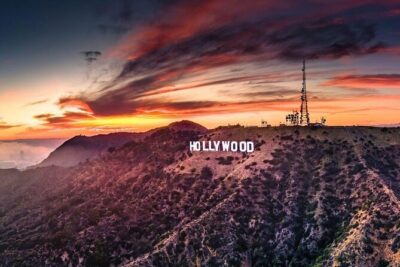 ★ 5.0Full-Day Iconic Sights of LA, Hollywood, Beverly Hills, Beaches and MoreFrom $996,147 reviews
 ★ 5.0Full-Day LA Tour: Santa Monica, Hollywood and Beverly HillsFrom $952,431 reviews
 ★ 3.7Hop-On Hop-Off Bus Tour with Audio GuideFrom $512,030 reviews
 ★ 5.0Half Day Best of Los Angeles Guided City TourFrom $691,966 reviews
 ★ 4.7Half-Day Best of LA TourFrom $591,778 reviews
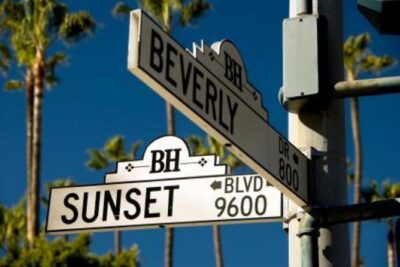 ★ 5.0Shared 3 Hour Los Angeles TourFrom $501,686 reviews
 ★ 4.1Hollywood & Celebrity Homes Open-Air Bus TourFrom $291,624 reviews
Browse the lists this tour appears in