
Reviewed · HISTORICAL TOURS
L.A. Mafia History Tour: Gangsters, Mobsters & Crime Legends
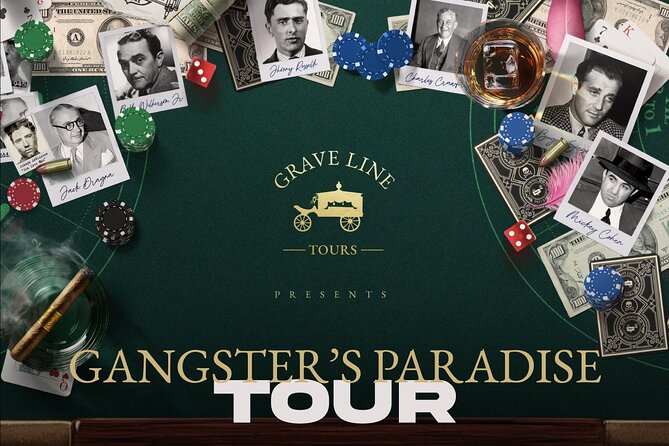
Hollywood has a darker back door. This L.A. Mafia History Tour strings together famous gangsters and real buildings, so the stories feel grounded instead of spooky-for-spooky’s sake. I like the tight 3-hour format and the way it leans into specific, named people.
Two things I especially like are the small group size and the on-the-go way the guide keeps it entertaining while staying factual. You also get optional smartphone visual background material if you have data, which helps when you are trying to place faces, dates, and locations fast.
One consideration: this is true-crime themed. If disturbing details about violence or crime are not your thing, you may want a different type of Hollywood tour, because this one does not shy away.
Key highlights worth knowing
- Hands-On Locations: You see places tied to big mob names, not just roadside plaques.
- Art Deco Hollywood: Several stops are in classic Art Deco landmarks that shaped the era.
- Mickey Cohen and Bugsy Siegel: One stop focuses on a tense first meeting setting.
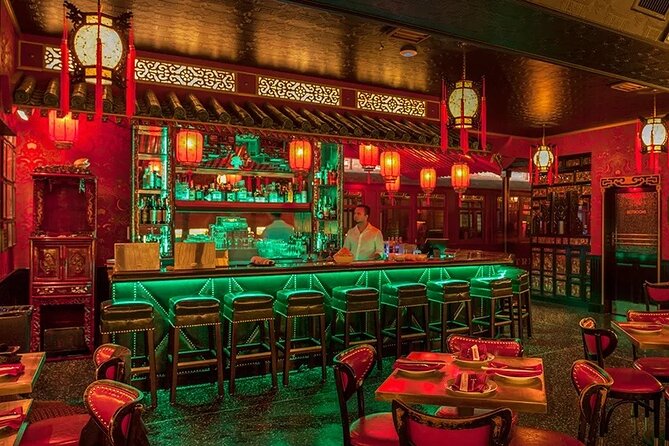
- Bugsy Siegel’s Gambling Vault: You get time inside Formosa Cafe, including a vault used for secret games.
- Billy Wilkerson, The Hollywood Godfather: A stop connected to media power in Tinseltown.
- The Godfather Horse Head Scene House: A film-location stop for movie buffs.
Value and practical basics before you go
For $93.08 per person, you are paying for a focused 3-hour guided drive-and-walk style experience with a maximum group size of 8. That small cap matters. It means you can actually hear your guide, ask questions, and move at a pace that does not feel like cattle-herding.
The tour is offered in English, and you receive a mobile ticket. There is also that extra layer if you travel with a smartphone and data access, because you get visual background material for passengers using it. It is not required, but it can make the landmarks easier to follow, especially if you are hopping between multiple “who lived here” stories.
You start at 2:30 pm from 6801 Hollywood Blvd in Hollywood and end back at the same meeting point. Expect a 15-minute break for restrooms and refreshments, and snacks are sold separately. If you are the type who likes to eat during sightseeing, bring a little flexibility, because the “quick stop” is really just that.
You can also read our reviews of more historical tours in Los Angeles



What the 3-hour Mafia drive actually feels like
This is not an all-day history lecture. It is built like a story you can see and photograph, with the guide using the buildings as plot points. The pace is designed to keep you moving through Hollywood’s key mob eras without you spending the whole tour parked in one spot.
One reason I think it works well is the stop mix. You get “power” locations like mob-adjacent HQs and media offices, “trigger moments” like early meetings, and “pop culture crossover” stops like Lana Turner’s discovery site and a The Godfather filming location. That blend makes the tour more than just names and dates.
You should also know the emotional tone. The experience is not recommended for anyone easily upset by disturbing content or emotionally sensitive to true crime materials. If you enjoy crime stories with a clear sense of respect for victims and context, you will probably be fine. If you do not, skip this and choose something lighter.
Entering mob history in an Art Deco Hollywood setting
Your first major stop is an Art Deco Hollywood landmark tied to “Handsome Johnny” Roselli. The story centers on his corner office, and the point is not just that he was famous, it is how close the mob got to Hollywood glamour. In this area, the architecture and the personalities feel like two sides of the same coin.
Art Deco matters here because it anchors the vibe in the real world. These are not vague “somewhere near Hollywood” references. The setting is described as a corner office space, which helps you picture how business got done at the intersection of organized crime and show business.
From there, the tour shifts to a tense meeting setting at the iconic Hollywood YMCA. This is one of the most scene-like stops on the route because it focuses on the first and famously tense meeting between Mickey Cohen and Bugsy Siegel. And it gets more specific than a simple exterior photo, since you are told about the men’s locker room inside the historic building.
That inside detail is valuable. It turns a generic gangster story into a concrete moment. Even if you already know these names, placing them in a real room helps your brain stop treating them like myth.
The media power stop: The Hollywood Reporter’s original HQ
Next comes the original headquarters of The Hollywood Reporter, a publishing space tied to founder Billy Wilkerson, known as The Hollywood Godfather. This stop is doing something different from the mob meeting stories. It is showing you how media influence and Hollywood power could be shaped from a media office, not just from a casino or a backroom.
For me, this is one of the smartest parts of a mafia-focused Hollywood tour. Organized crime always needed more than muscle. It needed leverage, narrative control, and access. A media hub is an obvious place for that, and this stop points you in that direction without turning into gossip.
If you are a movie history person, you will probably enjoy how the tour ties publishing power to the rise and fall of Hollywood’s Golden Age elite. If you just like gangster tales, it still works because Wilkerson is presented as a sharp and iron-fisted force in the city’s power dynamics.
Lana Turner, Tops Café, and the Crossroads of the World
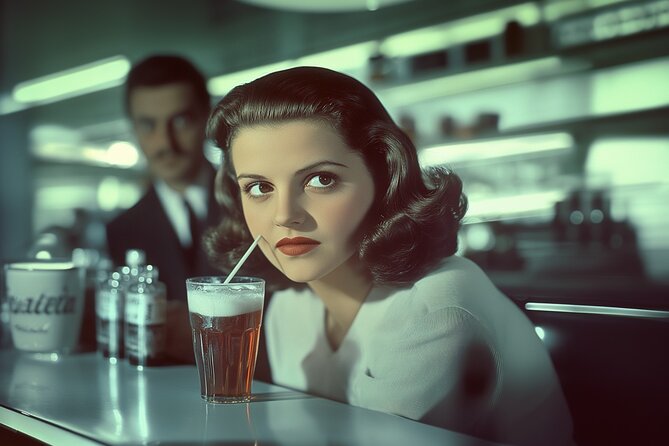
One of the most Hollywood-adjacent stops is the former site of Tops Café, the soda fountain where Lana Turner was famously discovered. This is the “glamour ignition” version of crime and influence. Not mob violence, not a shootout, but the machinery of fame, ambition, and who got pulled into the spotlight.
Then the tour moves to the Crossroads of the World, a striking 1930s complex built on the site where notorious bootlegger Charlie Crawford met his violent end. Here, you get a clash in a single glance, old Hollywood elegance paired with a dark Prohibition-era story.
This stop is a reminder that Los Angeles did not just become famous because it was sunny. It became famous because people chased opportunities, and some of those opportunities came with crime and violence in the background. The architecture gives you a clean surface view, while the story gives you the grime underneath.
Formosa Cafe: the Bugsy Siegel vault stop
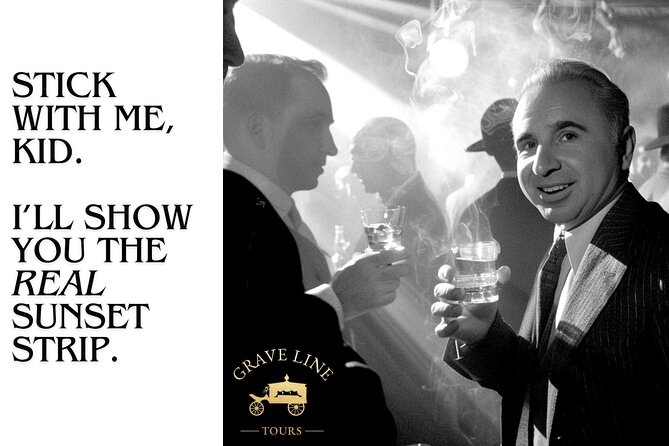
At Formosa Cafe, the tour takes you into the Hollywood Syndicate’s real-life headquarters. That phrasing matters because you are not only “visiting a location.” You are being guided through a space presented as connected to how the organized underground operated.
The highlight here is the original vault that was famously used by Bugsy Siegel for secret gambling operations. You are told you can explore this area as part of the experience, and there is even an admission ticket noted as free for the 20-minute Formosa Cafe portion.
If you are trying to understand how a mob network functioned, gambling is a practical lens. It is where money changes hands, where influence gets built, and where secrecy is valuable. A vault stop makes that concept physical, and it is often the part people remember because it feels less like a legend and more like a room you could walk into.
Labor union battles, FBI-surveilled residences, and Virginia Hill
After the mob HQ stop, the tour includes the historic studio lot where violent labor union battles once erupted under the influence of the Hollywood Syndicate’s organized crime network. This is another angle that is easy to miss if you only focus on casinos and shootouts. It reframes the mob as something that could shape work, power, and profit in the entertainment machine.
Then you visit the former residence of “Handsome Johnny” Roselli, described as being under constant FBI surveillance. This kind of stop adds a layer of consequence. It is not just crime happening, it is crime drawing law enforcement pressure, which helps you keep the tone grounded.
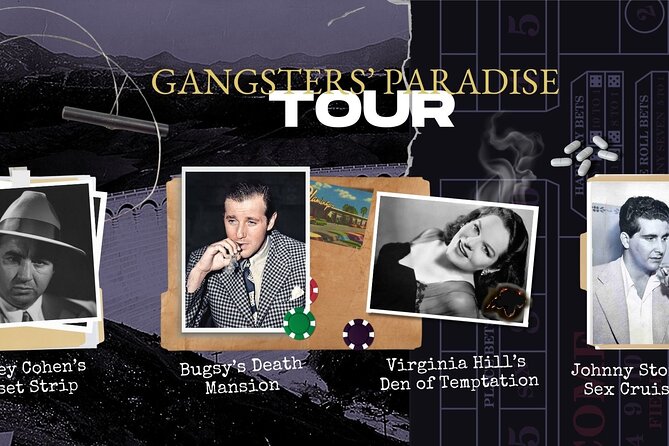
Next is Virginia Hill’s first Los Angeles residence. You hear how she rose from a small-town girl to an infamous mob courier in Hollywood’s underworld. The story also points to how her Beverly Hills chapter began from this early LA base, tying her life arc to the broader network.
For a lot of people, Virginia Hill is the name that turns the tour from “gangster stereotypes” into actual characters with roles. Couriers are not just background figures. They are the connective tissue between people who otherwise might never meet.
Film buffs get a special stop: The Godfather horse head house
The later part of the tour includes the house where the infamous horse head scene from The Godfather was filmed. This is not a “mob history” claim in itself. It is a film-location moment that helps you connect Hollywood crime storytelling to Hollywood’s own myth-making.
If you watch movies, you know how production locations become symbols. On this stop, you can see how fiction borrowed from real places and real themes, then sent the story back into pop culture so it became common knowledge. Even if you are not a Godfather expert, it is a fun, visual payoff.
Timing, group size, and what to bring
With a start time of 2:30 pm and an experience length of about 3 hours, plan for an afternoon that fits between other Hollywood plans without swallowing the whole day. This is also booked on average about 9 days in advance, which tells me it is not a “wait until the last minute” kind of activity if you want a good chance at a spot.
The max group size is 8, which is unusually helpful for a tour that moves between multiple sites. Smaller groups mean less waiting and more time with the guide explaining why each building matters.
What to bring is simple. Bring a charged smartphone if you want to use that optional visual background material with data access. Wear comfortable shoes, because at least some stops are inside historic spaces. And if you are sensitive to true crime details, decide before you go that you can handle it.
Who this tour is best for
This fits best if you like Los Angeles mob history with real locations. You will probably enjoy it if you have some familiarity with names like Bugsy Siegel, Mickey Cohen, Billy Wilkerson, and Virginia Hill, because the tour uses those names to guide you through places that shaped the city’s underworld power.
It also works well for movie fans who like the overlap between old Hollywood scandals and classic films. Lana Turner’s discovery location and the The Godfather horse head scene give you two pop culture anchors.
If you want pure sightseeing with zero crime context, this is not that. And if you are easily upset by violent true crime material, it is not recommended.
Should you book the L.A. Mafia History Tour?
Book it if you want a compact, guided way to see Hollywood through the lens of organized crime and the media and business systems orbiting it. The small group size, the inside access at key stops like the vault and the YMCA interior, and the guide-led storytelling add real value for a $93.08 price tag.
Skip it if you want a light theme tour or if true crime details are likely to put you on edge. With the clear warning about emotionally sensitive content, you should treat that as a real filter, not a footnote.
If you do book, show up on time and consider bringing your phone for the optional visual background. Then let the buildings do the heavy lifting, because that is the whole point of this tour.
FAQ
How long is the L.A. Mafia History Tour?
It runs for about 3 hours.
What is the price per person?
The price is $93.08 per person.
Where is the tour starting, and when does it begin?
The tour starts at 6801 Hollywood Blvd, Hollywood, CA 90028, USA at 2:30 pm, and it ends back at the meeting point.
Is the tour offered in English?
Yes, the tour is offered in English.
What is included, and are snacks included?
The tour includes a guide and the 3-hour gangster tour of LA, plus access to visual background material for passengers traveling with smartphones that have data access. There is a 15-minute break for restrooms and refreshments, but refreshments and snacks are sold separately.
Is there a maximum group size?
Yes, the tour has a maximum of 8 travelers.
What is the cancellation rule if the weather is bad?
The experience requires good weather. If it is canceled due to poor weather, you will be offered a different date or a full refund. You can cancel up to 24 hours in advance for a full refund.
More Historical Tours in Los Angeles
More Tours in Los Angeles
More Tour Reviews in Los Angeles
Not for you? Here's more nearby things to do in Los Angeles we have reviewed



Historical Tours, compared.
 ★ 4.7Natural History Museum of LA Entry TicketFrom $18457 reviews
 ★ 4.5Natural History Museum of Los Angeles County AdmissionFrom $18111 reviews
 ★ 5.0The History and Architecture of Downtown Los AngelesFrom $3994 reviews
 ★ 5.0Downtown Los Angeles History and Architecture Walking TourFrom $3593 reviews
 ★ 4.7Malibu: Celebrity Homes, Beaches & History TourFrom $9086 reviews
★ 5.0The History and Architecture of Downtown Los AngelesFrom $3966 reviews
 ★ 3.8Dark History and Haunted LA Ghost Bus TourFrom $6933 reviews
 ★ 4.6Downtown History & Architecture Walking TourFrom $3025 reviews
Browse the lists this tour appears in