
Reviewed · LOS ANGELES CITY TOURS
Los Angeles: Downtown History & Architecture Walking Tour
DTLA reveals itself one corner at a time. This Downtown History & Architecture walking tour starts at the Los Angeles Central Library by 7th Street Metro and uses a Belgian guide to connect landmark architecture with LA’s film-stamped identity. You’ll move through the downtown blocks with stories that explain how neighborhoods get shaped, not just how they look, and you’ll understand why people care about DTLA beyond the postcard views.
What I like most is the conversational pace. You’re not stuck listening to a script, you can ask questions as you walk, and the guide ties architecture to urban design, politics, and everyday city life. I also love that the stops hit both iconic photo targets and the less-famous details in between, including the Bradbury Building and the Last Bookstore.
One consideration: this is a walking tour that takes you through downtown streets for the full 150 minutes, and it’s not set up for wheelchair users or people with mobility impairments. If you’re easily wiped out by walking in sun or heat, plan accordingly with water and a hat.
Key highlights worth your attention
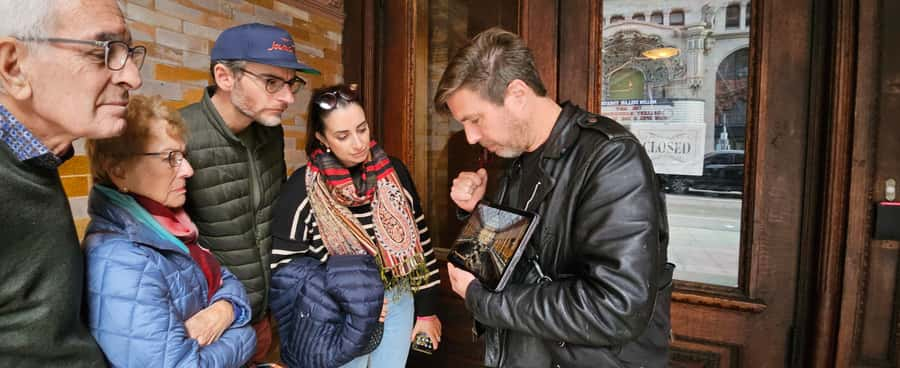
- Belgian guide, global and local perspective that turns buildings into understandable city stories
- Art Deco, Beaux-Arts, and Modernist architecture in one tight downtown route
- Bradbury Building + Last Bookstore for strong photo stops and quick, memorable breaks
- The Theater District storyline connecting movie palaces to the city’s growth
- Interactive discussions on public space, politics, and how LA keeps reinventing itself
Starting at the Los Angeles Central Library, by 7th Street Metro
The tour begins at the Los Angeles Central Library area, conveniently close to the 7th Street Metro station. That matters more than you’d think. Downtown LA can feel like a maze, so having a clear, transit-friendly starting point helps you focus on what you’re actually here to see.
Your guide is a Belgian storyteller, and the vibe is more chat than lecture. In practice, that means you get help reading the city in real time, like why a certain facade looks the way it does, or how a particular design choice changes pedestrian life. If you like seeing connections between architecture, culture, and politics, you’ll feel right at home.
Before you set off, I’d treat the library area as your orientation hub. Use it to get a sense of scale and street grid, then the rest of DTLA clicks faster once you’re walking through the historical layers.
You can also read our reviews of more historical tours in Los Angeles



Angels Flight Railway and the Bunker Hill-to-DTLA storyline
Next up is Angels Flight Railway, a short but iconic piece of downtown storytelling. Even if you don’t ride it, it helps you “place” LA’s hills-and-blocks geography in your head. That matters for understanding Bunker Hill too, because this part of DTLA has always been about elevation, access, and who gets to live where.
Bunker Hill is a key thread in this tour’s narrative. You’ll learn how it shifted from being relatively affluent to becoming part of LA’s constant reinvention. That background changes how you look at the modern streets around you, because you stop seeing downtown as a single era and start seeing it as layers.
Then the route keeps steering toward the cultural and entertainment center of the city, setting up what comes next in the Broadway Theater District. By the time you reach the theatre corridor, you’re ready to notice the mix of glamour and gritty survival that comes with old entertainment buildings.
Grand Central Market and the Broadway Theater District corridor
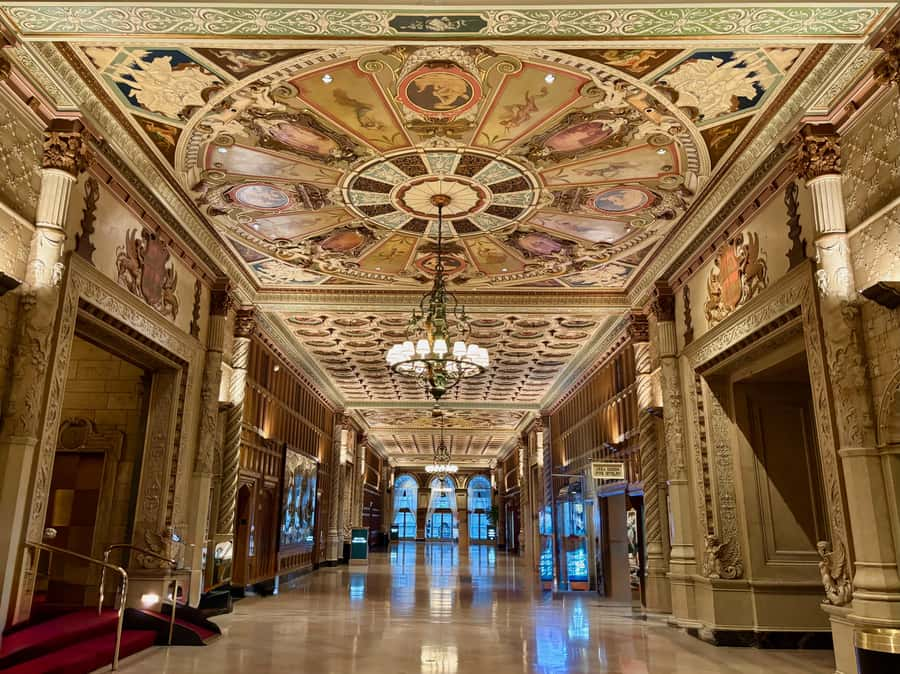
From the starting area, you’ll pass through the busy central downtown zone that feeds both locals and visitors. Grand Central Market is one of the brief stops where you get a feel for how downtown functions day to day, not just how it looked on opening night in 1920s LA.
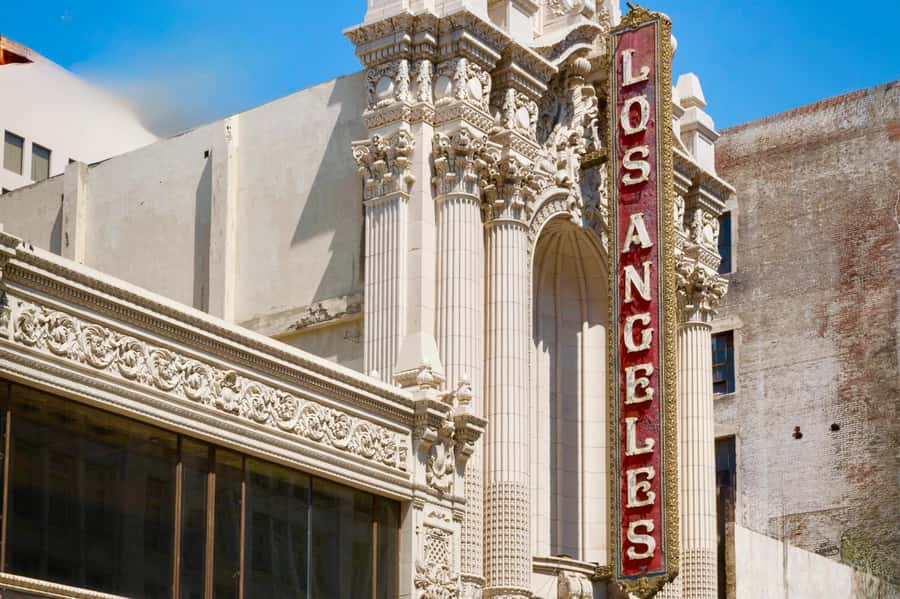
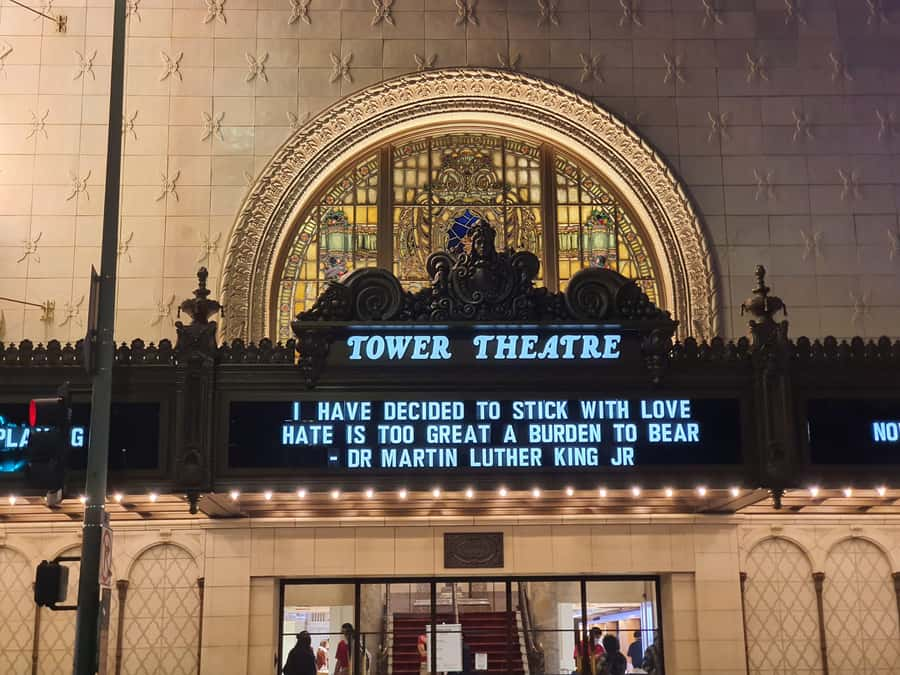
The Broadway Theater District part is the heart of the “movie palaces” theme. This area has one of the highest concentrations of historic theatre buildings in the world, and your guide uses that fact to explain how entertainment architecture became a public signal of LA’s ambitions. You’ll also hear how the energy of the roaring years still lingers in the storefronts and grand facades, even when the blocks have changed around them.
One smart thing here is the tour framing. It doesn’t only talk about styles. It connects those styles to the people who used the spaces, and to the way downtown evolved when politics and urban planning shifted. If you care about city life beyond tourism, this section is where the tour starts paying off.
As you walk, you’ll likely get quick side-stories tied to famous LA references. The tour description specifically promises a walk in the footsteps of Chaplin, JFK, Michael Jackson, Taylor Swift, and Jisoo. The value of that promise is less about any single address, and more about how your guide uses pop culture as a map to point you toward LA’s creative infrastructure.
Art Deco and Beaux-Arts details around the historic core
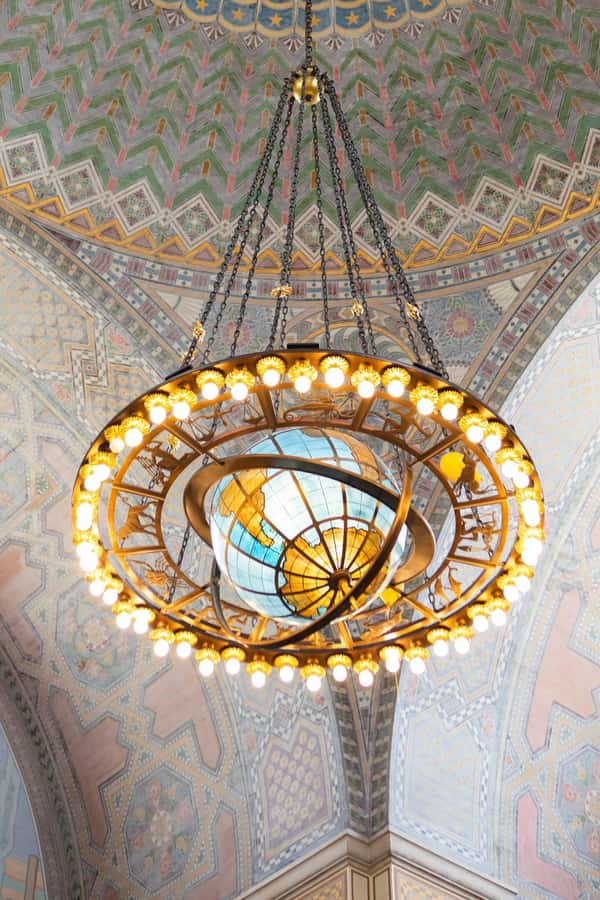
Between the bigger headline stops, you’ll spend time on shorter guided segments that focus on design details. This is where you start seeing patterns: how certain buildings communicate status, how ornament signals use, and how downtown’s architecture records who had power when.
Your guide highlights major architectural styles you’ll recognize from afar but rarely understand up close. That blend matters because DTLA never followed a single aesthetic path. You’ll get examples connected to the Los Angeles Central Library and then the route continues toward other key landmarks where Art Deco, Beaux-Arts, and Modernist design show up in visible ways.
I like these “in-between” moments because they train your eyes. After a few blocks, you begin to notice why an entryway invites foot traffic, why a facade looks designed for passing crowds, and why some details feel more “public-facing” than others.
If you’re the type who reads buildings like books, you’ll probably enjoy asking questions mid-walk. The guide is set up for that interactive style.
The Bradbury Building: photo stop with serious architecture context
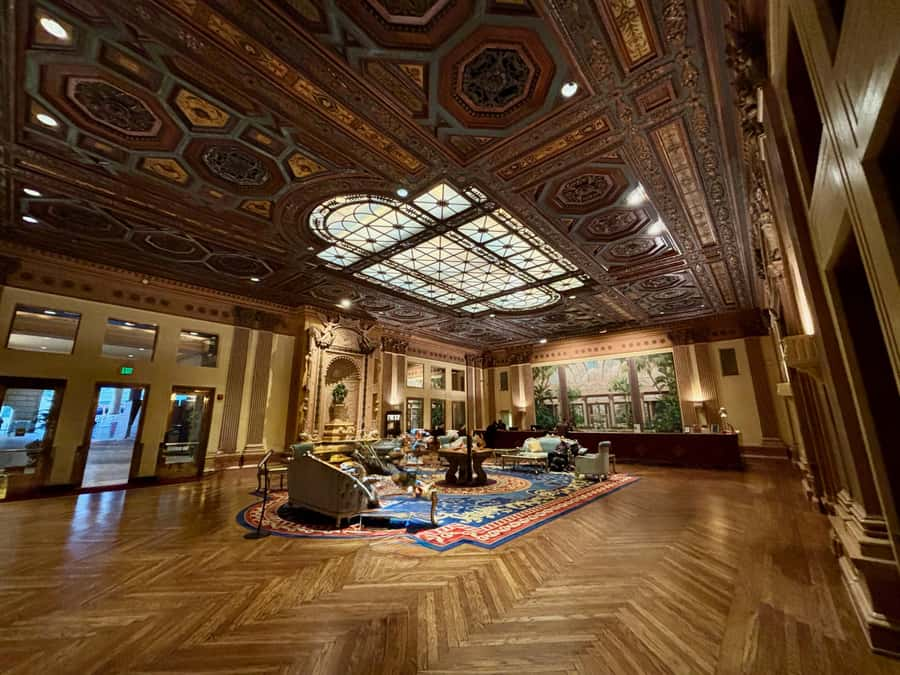
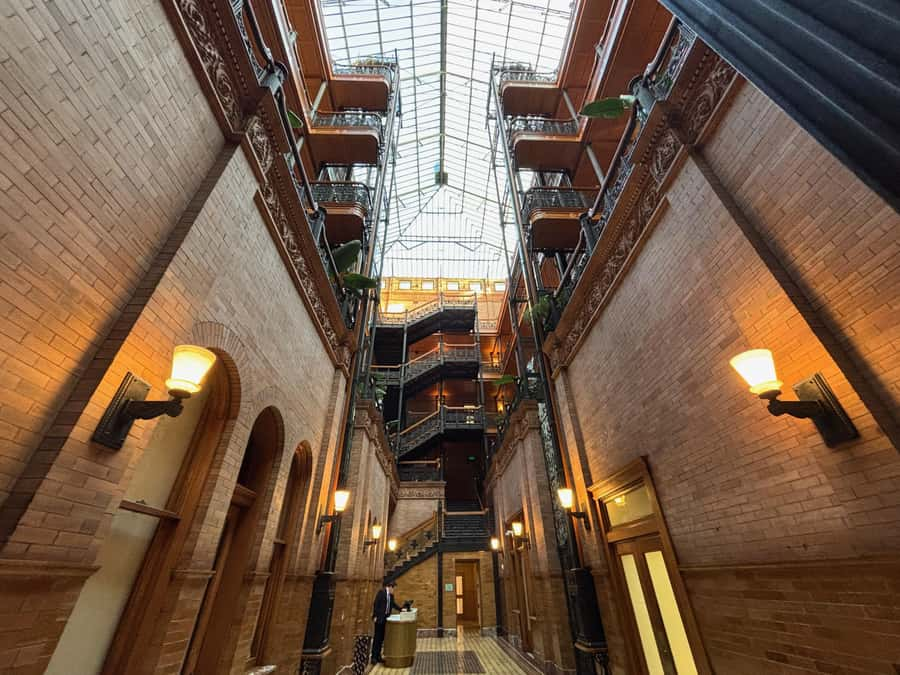
The Bradbury Building is a main event stop, with time set aside for exploring and photos. This place is famous for its interior and its architectural vibe, and the tour uses it as more than a quick snapshot. You’ll get help appreciating the design, then you’ll have time to look again with better eyes.
When guides only talk from the sidewalk, you miss the “why” of the space. Here, you’re given time to understand what makes it visually compelling in person. That context is what turns Bradbury Building from a famous name into a place you can actually describe to someone later.
Practical tip: take your camera out early. Interiors can tempt you to rush because you’ll want multiple angles. By slowing down for the first few minutes, you make the rest of the visit easier.





The Last Bookstore stop, and why it fits DTLA
Next comes The Last Bookstore, another 20-minute highlight that changes the mood. After theatre architecture and landmark interiors, a bookstore sounds like a left turn. That’s exactly why it works.
The tour’s point is that DTLA isn’t only about buildings. It’s about culture that keeps showing up in different forms, and a bookstore is a perfect example of that. You get a chance to step away, look around, and then reconnect the stop back to the bigger story of how downtown supports creative life.
This is also a good time for photos, but it’s not just a visual break. It’s a chance to reset your brain before the final walking segments. If you’re traveling solo or with friends who sometimes get bored by architecture talk, a bookstore stop helps the tour feel human and less like museum time.
How the guide’s European angle changes what you notice
A big reason people rate this tour highly is the guide’s personality and perspective. The tour description says the guide is Belgian with a global perspective, and at least one guide you may meet, named Mark, is known for enthusiastic movie history connections.
That European angle can make a difference when you care about architecture. Sometimes LA history gets told as if it’s only a US story. Here, the framing helps you compare ideas: how design is influenced by global trends, and how LA turns those trends into local versions that match climate, mobility patterns, and entertainment culture.
Also, because the tour is set up for dialogue, you can steer what you pay attention to. If you’re more interested in how public space works, ask about it. If you’re more into architectural details, focus there. The tour flow supports that back-and-forth.
Photography and walking pacing for a 150-minute circuit
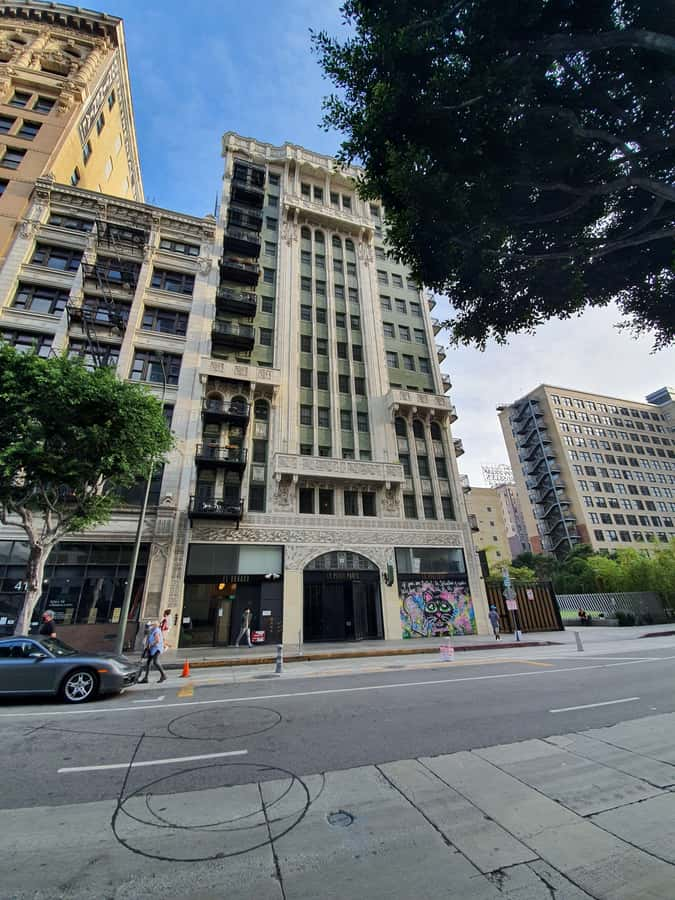
The official duration is 150 minutes, with the tour covering multiple guided segments and short walking links. That timing is long enough to give you meaning at each stop, but not so long that you’re completely fried if you plan smart.
Bring the basics the tour recommends: comfortable shoes, camera, sunscreen, water, and a hat. That advice isn’t filler. DTLA sun plus downtown pavement can turn a fun walk into a slog if you’re unprepared.
Photo strategy that works well on tours like this:
- Grab wide shots early at a landmark, then go back for detail photos.
- If the guide points out a specific feature, photograph it on purpose instead of just shooting the whole facade.
- Don’t hold your camera up the entire walk. Let your eyes register the street too.
Also plan for the route to feel like more than a simple “see and go” tour. The experience leans conversation-based, so your time gets shaped by questions and stop-by-stop discussion.
Price and value: $30 for a focused reading of DTLA
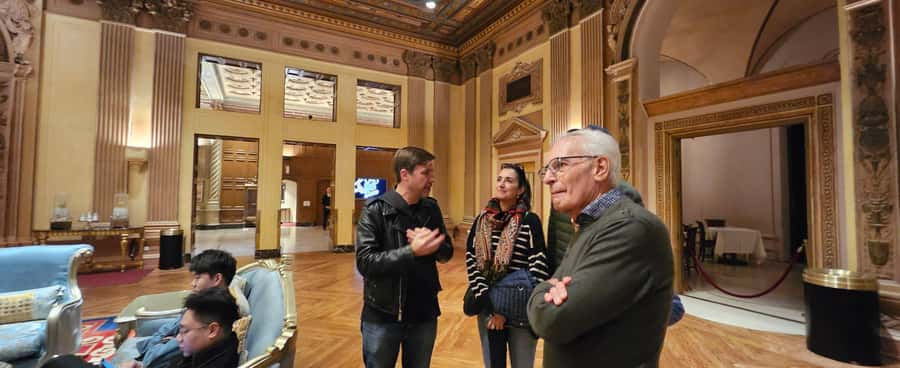
At $30 per person, the value is strong if you care about city interpretation. You’re not paying just for access to a few landmarks. You’re paying for a guide who connects the dots between architecture styles, downtown’s history layers, and how LA became a global entertainment magnet.
The best value signals in a tour like this are:
- Multiple major stops in about 2.5 hours
- Meaningful time at key interior landmarks like Bradbury Building
- A guided approach that teaches you how to look, not only where to stand
The tour also supports flexibility with features like free cancellation up to 24 hours in advance and reserve now, pay later options. If your schedule might shift, that buffer helps you commit without stress.
One more practical point: the pace can feel longer than the advertised 150 minutes depending on how discussions run. If you have a hard dinner reservation right after, build in a little breathing room.
Who should book, and who might want a different plan
This tour is a good match if you want downtown to make sense fast. It’s ideal for architecture lovers, film history fans, and travelers who like hearing how politics and urban design shape everyday life.
It also works well for people who enjoy walking but want a guide to keep things organized. You’re getting a route that ties together the Central Library area, Angels Flight, the theatre district atmosphere, Bradbury Building, and The Last Bookstore, instead of bouncing around on your own.
It’s not a great fit if mobility is an issue. The tour isn’t suitable for children under 6, people with mobility impairments, or wheelchair users. Since it’s a walking-focused experience, you’ll also want to be comfortable covering downtown sidewalks for the full route.
Should you book this Downtown History & Architecture Walking Tour?
Book it if you want DTLA with context. The standout reason is the combination of architecture styles and conversation-driven storytelling, with photo-ready stops that don’t feel like random detours. If your trip includes a “Downtown day” anyway, this is a way to turn it into something you can talk about.
Skip it if you want minimal walking or you need a fully accessible route. Also skip it if you only care about a quick list of famous buildings, because this tour is more about understanding how the pieces connect.
If you can handle 150 minutes of walking and you like learning while moving, this tour is a smart, low-cost way to read the city like a story.
FAQ
How long is the Los Angeles Downtown History & Architecture Walking Tour?
The tour duration is 150 minutes.
What is the price per person?
The price is $30 per person.
Where does the tour start?
The meeting point may vary depending on the option booked. Options include the Grand Central Market Parking Garage and the Los Angeles Central Library.
Is the tour guided by a live person?
Yes, it includes a live tour guide.
What languages are available?
The tour is offered in English and French.
What are the main places you visit?
Key stops include the Los Angeles Central Library area, Angels Flight Railway, Grand Central Market, the Bradbury Building, and The Last Bookstore, plus time around downtown landmarks and the theatre district area.
Are there options for a private group?
Yes, a private group is available.
What should I bring?
Wear comfortable shoes, and bring a hat, camera, sunscreen, and water.
Is this tour suitable for children?
It is not suitable for children under 6 years.
Is it wheelchair accessible?
No, it is not suitable for wheelchair users and is listed as not suitable for people with mobility impairments.
More Historical Tours in Los Angeles

More Tours in Los Angeles

More Tour Reviews in Los Angeles
Not for you? Here's more nearby things to do in Los Angeles we have reviewed









Los Angeles City Tours, compared.
 ★ 4.6Warner Bros. Studio Tour HollywoodFrom $767,191 reviews
 ★ 5.0Full-Day Iconic Sights of LA, Hollywood, Beverly Hills, Beaches and MoreFrom $996,147 reviews
 ★ 5.0Full-Day LA Tour: Santa Monica, Hollywood and Beverly HillsFrom $952,431 reviews
 ★ 3.7Hop-On Hop-Off Bus Tour with Audio GuideFrom $512,030 reviews
 ★ 5.0Half Day Best of Los Angeles Guided City TourFrom $691,966 reviews
 ★ 4.7Half-Day Best of LA TourFrom $591,778 reviews
 ★ 5.0Shared 3 Hour Los Angeles TourFrom $501,686 reviews
 ★ 4.1Hollywood & Celebrity Homes Open-Air Bus TourFrom $291,624 reviews
Browse the lists this tour appears in