
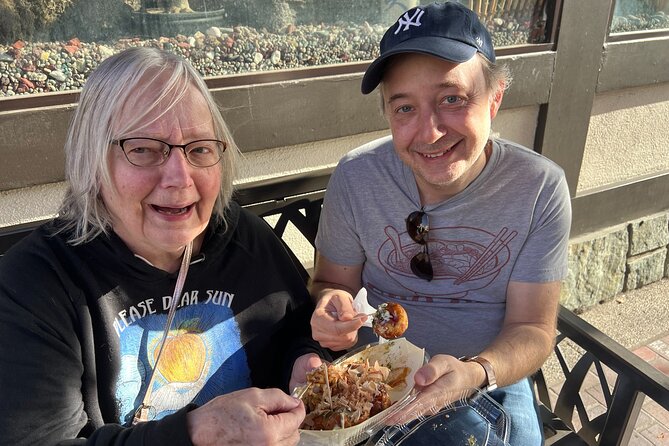
Reviewed · LOS ANGELES CITY TOURS
Gourmet Downtown LA Walking Food Tour with Delicious Dish Tours
Food and history share the same sidewalks. This Downtown LA walking tour pairs major landmarks with a sequence of food tastings so you are not guessing where to eat or what to notice.
I especially like the way the stops help you orient in Downtown LA fast, then reward you with bites in Chinatown, Little Tokyo, and Grand Central Market. I also appreciate the small-group feel, capped at 10 travelers, with bottled water and Metro fare included.
One drawback to plan around: it is not recommended for vegetarians and vegans, and it is also not a good match for serious food allergies.
Key Highlights You Should Know Before You Go
- Union Station as your launch point, with free entry and a strong sense of LA scale right away
- A walk that mixes cultures and cuisine, with Chinatown and Little Tokyo built into the route
- Grand Central Market tastings that shift the focus from sightseeing to eating
- Small group size (max 10), which usually makes it easier to hear the guide and move as a unit
- Food-safety expectations matter, especially around how food is handled during tastings
- A flexible, get-there-with-Metro plan, since Metro fare is included
Downtown LA Starts at Union Station, Then Gets Delicious
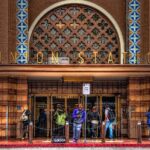
Downtown Los Angeles can feel like a lot at first. This tour helps you decode it quickly, starting at Union Station. It is not just a pretty building. It is the kind of place that immediately tells you how big LA ambitions were when rail travel mattered.
At Union Station, you get free admission and a short orientation moment. The station is famous for being a mix of Art Deco and other early 20th century styles, and it is listed on the National Register of Historic Places. You also get 15 minutes here, which is long enough to take in the space without turning the tour into a museum day.
What I like about this start for first-time visitors is the way it sets your bearings. From here, you are walking into LA’s layers, from Spanish-era roots to immigrant neighborhoods, and the food tastings come at you along the route, not all at the end.
The other practical win: Union Station is a real hub. The tour also includes Metro fare, so even though it is a walking format, you are not stuck doing every mile on foot.
You can also read our reviews of more food & drink experiences in Los Angeles
El Pueblo de Los Angeles: The Old Plaza, the Old Stories
After Union Station, you head to El Pueblo de Los Angeles Historical Monument. This is LA’s older core, centered around the old plaza. The area covers about 44 acres, and it has been recognized as a state historic monument and listed on the National Register of Historic Places.
Why this stop matters on a food tour: culture is not separate from cuisine here. The tour uses this area to connect the dots between eras, including Spanish rule (1781 to 1821), Mexican rule (1821 to 1847), and the US period after 1847. That context helps you understand why Downtown LA reads the way it does, with different communities shaping the streets over time.
It is also a good pacing stop. At 20 minutes with free admission, it is long enough for the guide to set the stage, but not so long that you burn out before lunch or your first bigger bites.
Chinatown: Red Lantern Energy, Plus Real Places to Eat
Then you get to Chinatown, one of Downtown LA’s most obvious food zones. The area is known for pagoda-style buildings, red lanterns, traditional Chinese restaurants, dim sum shops, bakeries, and specialty grocery stores. There is also the Taoist Thien Hau Temple, plus smaller art spaces and bars.
On a walking food tour, Chinatown is the sweet spot because it is dense with options. You can easily spend hours wandering here on your own, but the value of the guided format is that you do not have to guess what is best for a first visit. You are guided to tasting stops, so you can focus on eating and learning instead of researching between every corner.
There is 1 hour here. That is a helpful chunk of time, especially if you like the idea of moving through a neighborhood at human speed while still getting a structured plan.
Little Tokyo: Japanese-American Culture Through Food
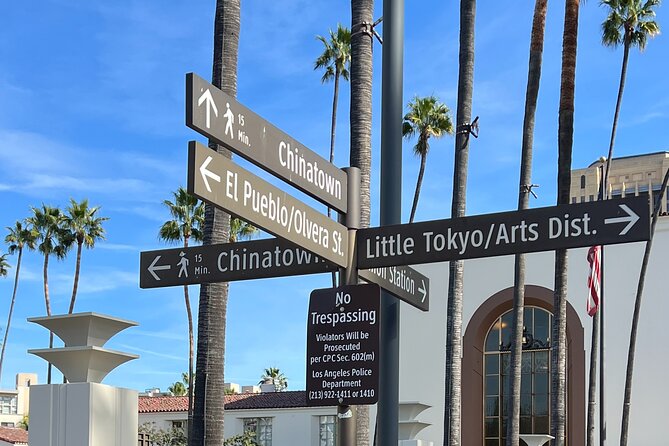
After Chinatown, the tour shifts to Little Tokyo, also called the Little Tokyo Historic District. This is the heart of the largest Japanese-American population in North America, and it has National Historic Landmark District status (declared in 1995).
Little Tokyo is sometimes called J-Town or Lil Tokyo, and it is considered a cultural center for Japanese Americans in Southern California. Even if you are not deep into local history, the atmosphere does the work for you. You get a neighborhood feel that is clearly more than a theme.
This segment is 45 minutes. That timing works well because it gives you time to take in the area and still stay hungry for the next major food focus.
One important consideration: the tour is not recommended for vegetarians and vegans. Little Tokyo can sometimes offer plenty of plant-forward choices in general, but this particular tour is not positioned as a vegetarian-friendly route. If you eat differently for dietary reasons, it is worth checking whether the tasting choices can be adapted. The tour also notes it is not recommended for travelers with serious food allergies, so if that applies, you will want to choose a different type of food experience.
City Hall and the Bradbury Building: Sightseeing Breaks That Still Feel Relevant
The tour keeps rolling into landmarks that make Downtown LA look like movie and TV production material.
Los Angeles City Hall
City Hall was completed in 1928 and has a striking three-tier design. It is seismically stabilized and restored. It is one of the city’s most recognizable landmarks and is used in official city documents, from commendations to licenses. It is also a frequent filming location because of its distinctive styling.
On a tour like this, City Hall is not here to slow you down into a full architecture lecture. It is a quick “what you are seeing and why it matters” moment, lasting about 10 minutes with free admission.
The Bradbury Building
Next up is the Bradbury Building, built in 1893. If you have watched old shows or movies set in LA, you might recognize it. The building is known for its skylit atrium with access walkways, stairs, and elevators, plus ornate ironwork.
It is 10 minutes here as well, but that is enough time to notice the atrium light and the details that make it photograph well. This stop is a nice contrast to the food-heavy neighborhoods because it breaks up the walking rhythm and gives you a different kind of visual payoff.
Grand Central Market Is the Main Event for Tasting
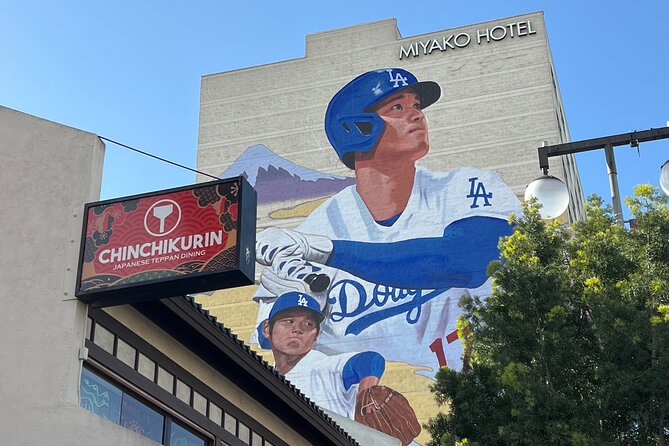
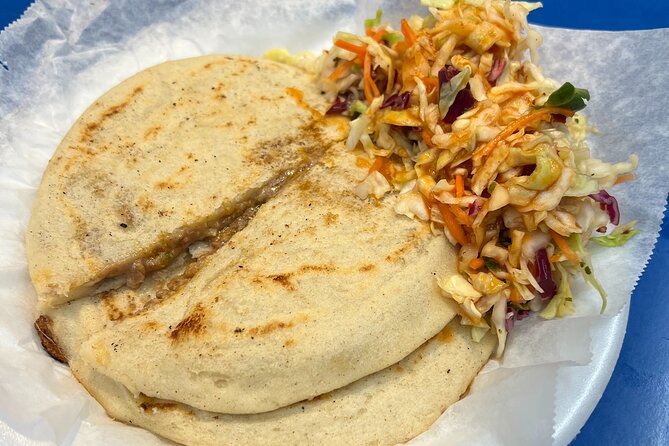
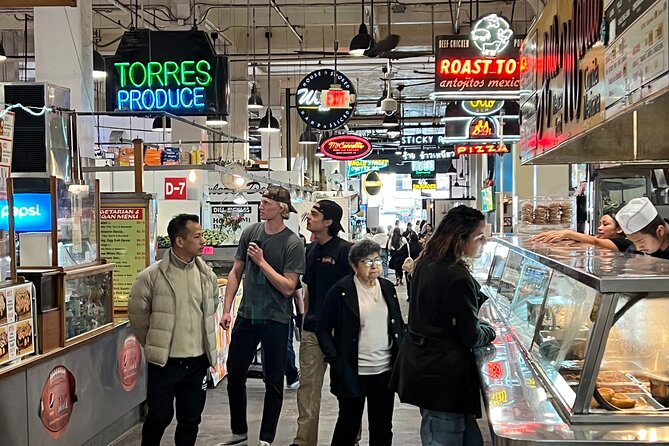
Now we get to the big payoff: Grand Central Market. This is where the tour shifts from “where we are” to “what you are eating.”
Grand Central Market opened in October 1917, and it was originally billed as the largest and finest public market on the Pacific Coast. Today, it operates with around 40 stalls, blending long-running vendors and newer food entrepreneurs.
What makes this stop valuable is how it functions as an LA snapshot. It shows how immigrant communities and local creativity shaped the city’s food identity. The market description also specifically calls out legacy vendors like China Cafe and Roast To Go, plus a mix of rising stars.
You spend 45 minutes here, and that is a good window. It gives you time to taste, reset your appetite, and take a breath after earlier walking stretches and street-level neighborhood exploring.
Practical tip: since the tour already includes tastings, treat your time at the market as part of the guided plan, not a separate food mission. If you want to buy extra food on top, plan to do it after the tastings, so you do not end up too full to enjoy the later course of bites.
Angels Flight Railway: A Short Ride, a Big Sense of LA
To finish up, you pass through Angels Flight Railway. This historic narrow-gauge funicular takes riders between Hill Street and Grand Avenue in the Bunker Hill district. It is about 2 ft 6 in gauge, originally opened in 1901, and it is described as the world’s shortest railway. The operator says it has logged more than 100 million rides.
This is a 5-minute stop. It is short on purpose, and that is good. It works like a punctuation mark at the end of a walking route, giving you a quick change of perspective and a fun LA landmark experience without turning the tour into an hour-long detour.
What’s Included for About $152.55, and Why It Can Be Good Value
The price is $152.55 per person. For many travelers, the key question is whether that cost buys you more than a few bites plus a stroll.
Here is what you do get based on the tour details:
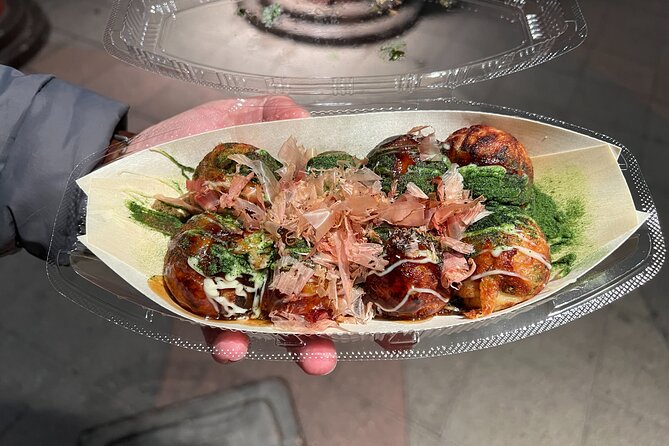
- Food tastings as the core of the experience
- An English guide
- Metro fare included
- Bottled water included
- Alcoholic beverages are not included
So the cost is paying for planning, guidance, and tastings that you might otherwise spend time researching and piecing together yourself. You also get a small group maximum of 10, which can be a real quality difference. Tours in big groups often turn into standing in a crowd while you try to hear over everyone else. A smaller group tends to help with flow, even when you are standing sometimes during tastings.
Timing matters too. You are out for about 3 hours 30 minutes to 4 hours, starting at 12:00 pm. That is long enough to see multiple Downtown LA zones, but not so long you end up exhausted before you can still enjoy the rest of your day on your own.
One more note: the tour includes Metro fare, which usually saves you time and hassle if you would otherwise figure out transit on the fly.
Food Safety, Hearing the Guide, and Other Real-World Considerations
A walking food tour is only as good as its execution. The tour information and responses include an explicit focus on food safety, including the expectation that guides use gloves and sanitizer when handling food. Food safety is not a small detail on a tasting tour.
So here is what I recommend you do to protect your experience:
- Eat with awareness, especially at the first tasting when you might still be getting grouped up and moving quickly
- If you want to hear instructions clearly, try to position yourself where the guide can see you, not behind someone tall
- Bring the mindset that some tastings may involve standing, not a seated meal
- If you have any concerns about ingredients and you need medical-level caution, do not rely on a standard “not recommended” label. Choose a food tour designed for your needs
One review detail that sticks with me is the mention of discomfort when food handling was not done as safely as it should be. The operator later stated that guides are required to use gloves and sanitizer and that improvements were being added around pacing and comfort. That tells you the company is aware of the issue, but it also reinforces your best move: ask questions and watch for good hygiene in the moment.
And if rain or heat hits? The tour still runs as a walking format. Pack accordingly. You will walk, and you will stand at least at some tastings.
Who This Tour Fits Best (And Who Should Skip It)
This tour fits best if you:
- Are new to Downtown LA and want to get your bearings fast
- Like a walking pace with neighborhood context, not just a list of restaurants
- Want a guided sequence that reduces guesswork, especially in areas like Chinatown and Little Tokyo
- Prefer a small group capped at 10 people
- Are comfortable eating the kinds of foods offered on a general Downtown LA tasting route
It may not fit if you:
- Are vegetarian or vegan and want plant-forward tastings (the tour explicitly says it is not recommended for vegetarians and vegans)
- Have serious food allergies (also explicitly not recommended)
- Struggle with walking and moderate fitness demands, since the tour is designed as an active stroll
Quick Practical Plan: How to Make This Tour Smooth
- Wear shoes built for a few hours of walking and street stops
- Bring a light layer, even in warm weather, because Downtown LA sun and wind can change fast
- If you care about hearing well, arrive a few minutes early so you can get a good spot at each stop
- Since bottled water is included, you can focus on water plus tastings, not on buying drinks mid-route
- Keep your expectations aligned with a walking-and-tasting format, not a sit-down lunch
Should You Book This Gourmet Downtown LA Walking Food Tour?
If you want a smart first pass at Downtown LA that blends major sights with real eating time, I think this tour is a solid choice. The biggest strength is the pairing of landmark orientation with tastings that cover multiple communities, ending in the kind of food hall that actually makes you feel like you are in LA.
I would only hesitate if your diet needs are strict, or if you know you cannot handle standing at tastings and a walking schedule. For everyone else, the combination of Metro fare included, bottled water, and a small group size makes it feel like more than just a casual snack walk.
If you want a day plan that starts at Union Station, moves through Chinatown and Little Tokyo, and then lands at Grand Central Market with a food-focused finish, this is exactly that.
More Food & Drink Experiences in Los Angeles

More Tours in Los Angeles
More Tour Reviews in Los Angeles
Not for you? Here's more nearby things to do in Los Angeles we have reviewed


Los Angeles City Tours, compared.
 ★ 4.6Warner Bros. Studio Tour HollywoodFrom $767,191 reviews
 ★ 5.0Full-Day Iconic Sights of LA, Hollywood, Beverly Hills, Beaches and MoreFrom $996,147 reviews
 ★ 5.0Full-Day LA Tour: Santa Monica, Hollywood and Beverly HillsFrom $952,431 reviews
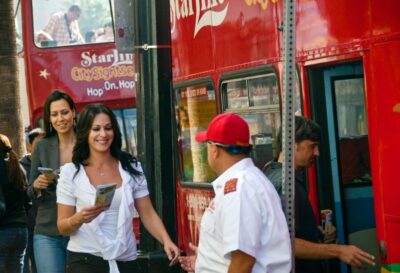 ★ 3.7Hop-On Hop-Off Bus Tour with Audio GuideFrom $512,030 reviews
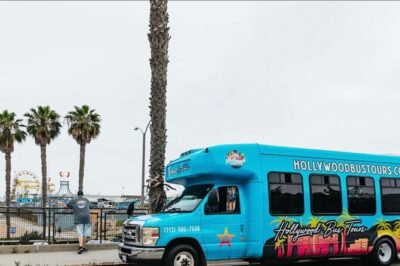 ★ 5.0Half Day Best of Los Angeles Guided City TourFrom $691,966 reviews
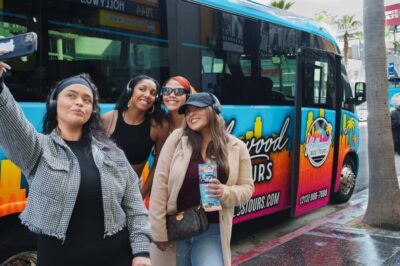 ★ 4.7Half-Day Best of LA TourFrom $591,778 reviews
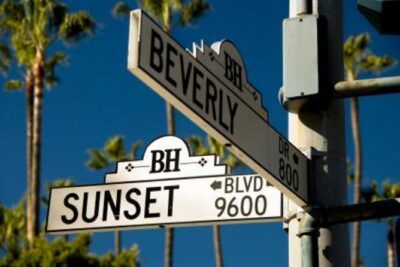 ★ 5.0Shared 3 Hour Los Angeles TourFrom $501,686 reviews
 ★ 4.1Hollywood & Celebrity Homes Open-Air Bus TourFrom $291,624 reviews
Browse the lists this tour appears in