
Reviewed · LOS ANGELES CITY TOURS
LA Food Tour: Exploring America’s Culinary Frontier
Chinatown to Little Tokyo in one hungry walk. This 5.5-hour, small-group food crawl is built for variety, starting with LA’s Chinatown and then shifting to Little Tokyo, with historic stops along the way, plus a walking route that keeps you out of crowded buses. It’s also offered in English with a mobile ticket, so you can move fast and stay focused on eating.
What I like most is how the tour trades one sit-down meal for multiple food stops. That means you get a wider taste of LA’s different communities in a single afternoon, not just one neighborhood. The main drawback to plan for is the amount of walking, about 4 miles, so wear comfortable shoes and arrive ready to eat.
Key points to know before you go
- Small group size (max 7 travelers), which makes it easier to ask questions and keep the pace comfortable.
- Many tastings across multiple neighborhoods instead of being locked into one restaurant meal.
- A story-heavy route that mixes food with LA history at places like Avila Adobe and the Bradbury Building.
- Film connection at the Bradbury Building, a famous setting from Blade Runner.
- Walk-friendly design, built around stretching your legs rather than riding in a bus all day.
A 5.5-hour walking loop through downtown LA
This is the kind of tour that feels like a guided day out, not a rushed checklist. You meet at 954 N Hill St, Los Angeles, CA 90012 (Chinatown West Gate) at 10:45 am and you finish back near the start area. With a 5 hours 30 minutes time window and a max group size of 7, you should expect enough time at each stop to eat, listen, and get your bearings.
The route is also paced for comfort. You’re doing mostly walking, with breaks built in as you move through different districts. One review that stood out was the emphasis on steps, with guides handling the rhythm well and keeping people comfortable. You will get your walking in, so plan to treat this like an active afternoon.
You can also read our reviews of more food & drink experiences in Los Angeles
Why sampling from many spots beats one restaurant
Paying $175 for a food tour only makes sense if you’re getting more than a single meal. Here’s the value logic: you’re not choosing one restaurant and hoping it hits all your tastes. Instead, you’re sampling food across a spread of neighborhoods, including Chinatown, Calle Olvera, and Little Tokyo, then finishing at Grand Central Market.
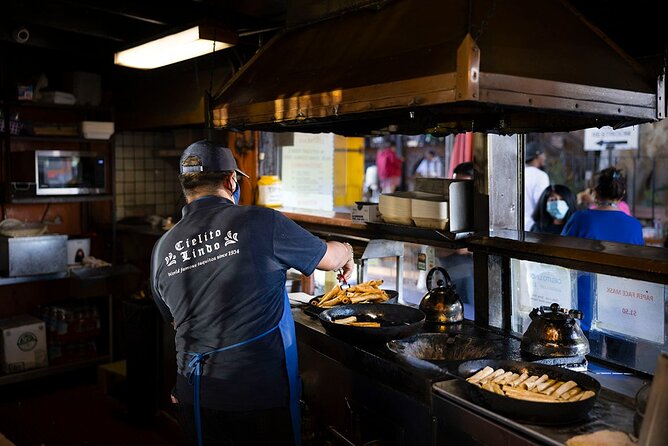
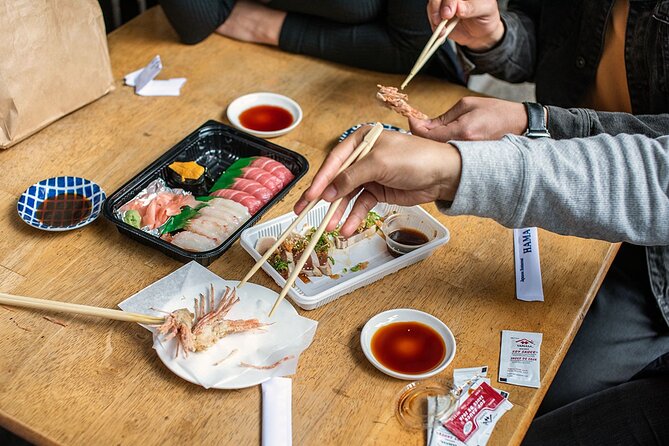
That approach is great if you like trying things you might not order on your own. In Little Tokyo, for example, the tour focuses on authentic Japanese flavors, with items that can range from sushi to artisanal mochi. In Chinatown, you’re set up for new-to-you tastes alongside dishes that feel familiar once you recognize ingredients and cooking styles.
Also, the history part matters because it gives context to what you’re eating. When someone explains why a business or neighborhood matters, your meal lands with more meaning than just good taste. Guides like Jannine and Ulysses are known for mixing culture and food in a way that keeps the walk interesting without turning it into a lecture.
Stop-by-stop: Chinatown, Calle Olvera, and Avila Adobe
Chinatown for the first big flavor hit (1 hour)
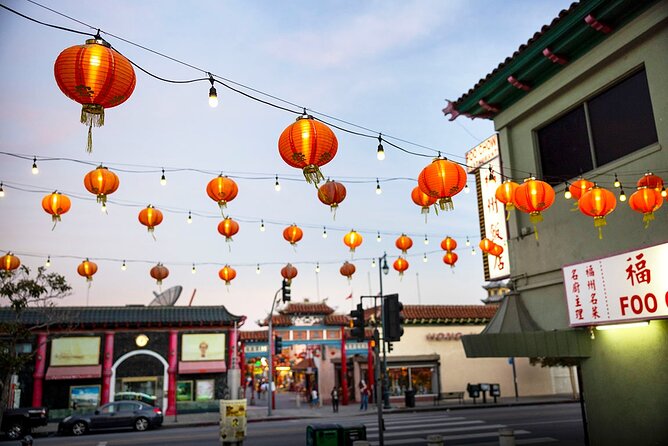
You start in Chinatown, where the tour focuses on LA’s culinary renaissance and the idea that Chinatown in LA is not frozen in time. Plan to snack early, because this is where you’ll set your palate for the day. You’ll get the vibe of an active neighborhood and a tour guide’s storytelling to connect the food to the community behind it.
Practical tip: Chinatown streets can feel dense and visually busy. If you’re prone to rushing, this is one place where the group size helps. You can follow along without getting swallowed by the crowd.
Calle Olvera, LA’s oldest street (25 minutes)
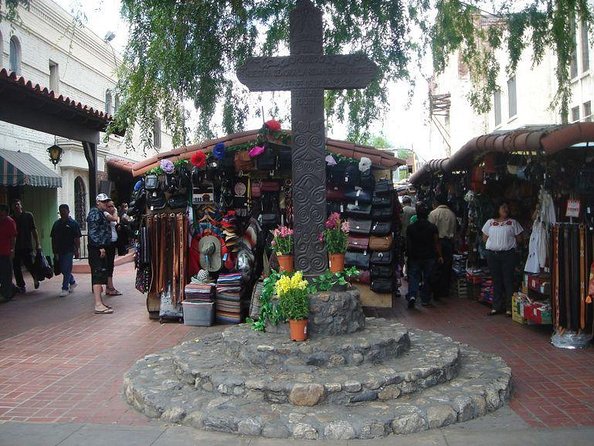
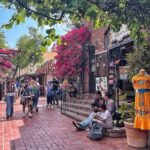
Next you walk along Calle Olvera, a historic street tied to the birthplace of the city. This stop is shorter, but it’s timed well for a change of pace. You’ll see the sights while also getting more food sampling, so it doesn’t feel like you’re being dragged past storefronts without eating.
This is also a good moment for photos, since the street has that “old LA” feel even while the food scene keeps moving. Go slow here. The whole point is to enjoy the street, not speed through it.

Avila Adobe, LA’s oldest residence (30 minutes)
Avila Adobe is the kind of stop that turns your day from food-only into a more layered walk. You’ll spend about 30 minutes here, which is enough time to understand why the site is considered LA’s oldest residence and why it still matters in the story of the city.
Even if you’re not a museum person, this stop can help you connect why different neighborhoods grew the way they did. It also breaks up the eating rhythm so your appetite stays fresh for what’s next.
Little Tokyo food on pedestrian backstreets (1 hour)
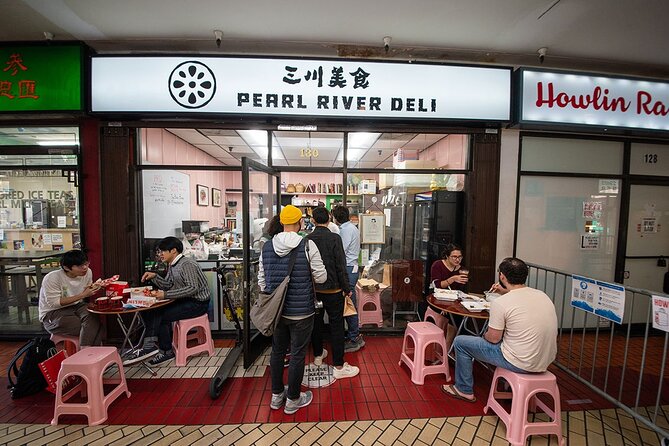
Little Tokyo is where the tour really leans into Japanese food. You move into pedestrian-friendly backstreets and focus on authentic flavors, with the promise of tasting things like sushi and artisanal mochi.
This stop is especially worth it if you live in a place where Japanese food often gets simplified. LA tends to offer a deeper range, and this tour is designed to show you that range in a short time. You’re also not just browsing, you’re tasting as you go, which makes it easy to trust your next order when you’re back on your own.
One more reason I like this part of the route: you get contrast. After Chinatown and historic sites, Little Tokyo feels like a different world. That change is part of the fun of a multi-neighborhood food tour.
Bradbury Building and the Blade Runner factor (25 minutes)
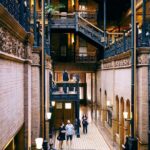
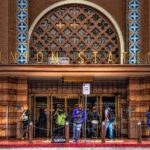
The Bradbury Building stop is short at about 25 minutes, but it has real wow power for film fans and architecture lovers. It’s a key setting in Blade Runner, and even if you don’t know every detail of the movie, you’ll recognize why the building became a favorite.
This stop works as a mental reset. You’ve been tasting and walking, then you pause at a historic structure that’s visually dramatic. It’s also a good moment to slow your pace, take photos, and keep your energy steady for the final market.
Grand Central Market and where to grab more after
You finish at Grand Central Market, which is one of downtown LA’s civic centers. The tour focuses on hidden vendors and unforgettable food, giving you one last chance to taste in a dense food hall setting.
The timing here is very short on paper, so the strategy is simple: come ready to sample quickly and prioritize what sounds best to you. If you’re the type who likes to compare lots of stalls, you might want to arrive a bit hungry at this final stretch so you don’t feel stuck choosing only one thing.
Also, Grand Central Market is a great “future planning” stop. Even if you don’t leave with a full takeout box, you’ll get ideas for what to seek out later in LA.
The “Culinary Backstreets Passport” way to keep track
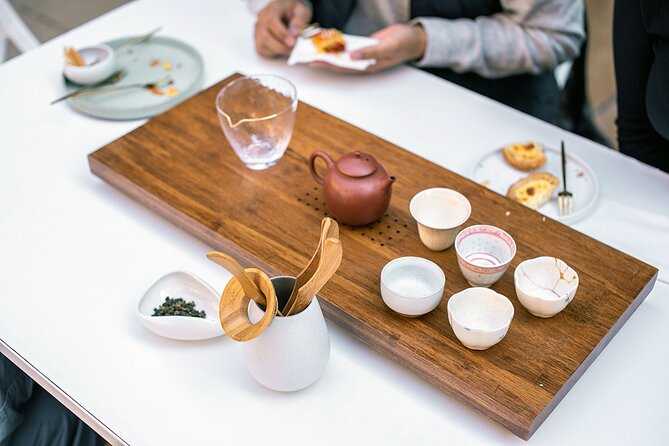
A small perk I really like is the Culinary Backstreets Passport. The idea is that you collect stamps tied to your tour, then you can check your progress on the website.
It turns a food tour into something you can remember more clearly than a list of dishes. It also helps you stay engaged during the walk, because you’re not just eating, you’re doing a trail with checkpoints.
Price, pacing, and value at $175
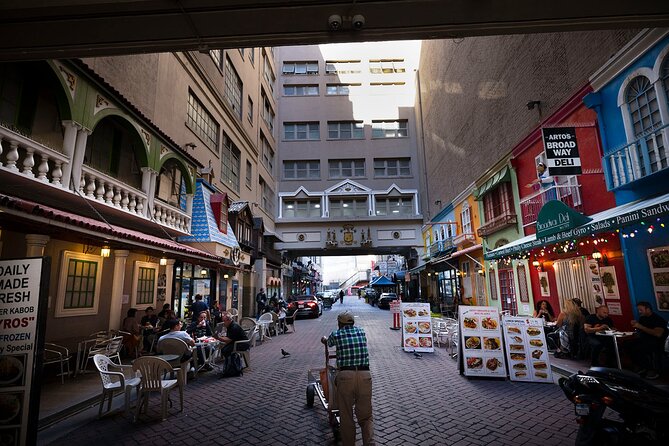
Let’s talk value honestly. At $175 per person for about 5.5 hours, this isn’t a budget lunch. But it can still feel fair if you show up with the right mindset.
Here’s where the price makes sense:
- You get multiple neighborhoods and multiple food tastings, not one restaurant bill.
- The route includes major stops like Avila Adobe and the Bradbury Building, which add structure to the day rather than only snacks.
- The group is capped at 7 travelers, which usually means you get more attention and a smoother experience than larger tours.
The main reason someone could feel it’s overpriced is if they expect a long sit-down meal or a tour that feels only food-focused. If you want a classic restaurant experience, this tour may not match your style.
My advice: treat it as a tasting walk plus history storytelling. If that sounds like your kind of afternoon, the price will land better.
What to bring and how to time your day
Because you’re walking about 4 miles, shoes matter. I’d wear something comfortable enough to do a second loop later, if your day has the energy. Bring a light layer, since downtown can change temperature quickly.
Food tours are also about timing. If you eat a huge breakfast right before, you may miss the point. If you skip food entirely, you might feel rushed. Aim for a balanced morning meal and save room for tastings.
Hydration helps too. Even though the tour includes built-in breaks, you’ll still be on your feet most of the time.
Who this tour is best for (and who should skip)
This tour fits you if:
- You want to try foods from different LA communities in one afternoon.
- You enjoy walking tours and don’t mind eating while you explore.
- You like your food paired with stories, from early LA sites to modern film connections.
You might skip this if:
- You hate walking long distances or want mostly indoor, seated time.
- You prefer fewer stops with larger portions, rather than lots of smaller tastings.
Should you book LA Food Tour: Exploring America’s Culinary Frontier?
I’d book it if your dream LA day looks like walking between neighborhoods, tasting a wide range of foods, and learning why the places matter. The small group size, the mix of Chinatown and Little Tokyo, and the story stops at Avila Adobe and the Bradbury Building give it shape beyond a standard eat-only tour.
If the idea of 4 miles of walking and a fast-paced tasting schedule doesn’t sound fun, then this may feel too active for your preferences. But if you’re hungry for variety and want a guided day that feels genuinely LA, this is a strong pick for your itinerary.
FAQ
How long is the LA Food Tour?
It’s approximately 5 hours 30 minutes.
Where do I meet the tour, and what time does it start?
You meet at Chinatown West Gate, 954 N Hill St, Los Angeles, CA 90012, USA. The start time is 10:45 am.
How much does the tour cost?
The price is $175.00 per person.
Is the tour offered in English, and do I need a mobile ticket?
Yes, it’s offered in English, and it includes a mobile ticket.
How big is the group?
The tour has a maximum of 7 travelers.
Is service animals allowed, and is the tour dependent on weather?
Service animals are allowed. The experience requires good weather. If it’s canceled due to poor weather, you’ll be offered a different date or a full refund.
More Food & Drink Experiences in Los Angeles
More Tours in Los Angeles
More Tour Reviews in Los Angeles
Not for you? Here's more nearby things to do in Los Angeles we have reviewed


Los Angeles City Tours, compared.
 ★ 4.6Warner Bros. Studio Tour HollywoodFrom $767,191 reviews
 ★ 5.0Full-Day Iconic Sights of LA, Hollywood, Beverly Hills, Beaches and MoreFrom $996,147 reviews
 ★ 5.0Full-Day LA Tour: Santa Monica, Hollywood and Beverly HillsFrom $952,431 reviews
 ★ 3.7Hop-On Hop-Off Bus Tour with Audio GuideFrom $512,030 reviews
 ★ 5.0Half Day Best of Los Angeles Guided City TourFrom $691,966 reviews
 ★ 4.7Half-Day Best of LA TourFrom $591,778 reviews
 ★ 5.0Shared 3 Hour Los Angeles TourFrom $501,686 reviews
 ★ 4.1Hollywood & Celebrity Homes Open-Air Bus TourFrom $291,624 reviews
Browse the lists this tour appears in