
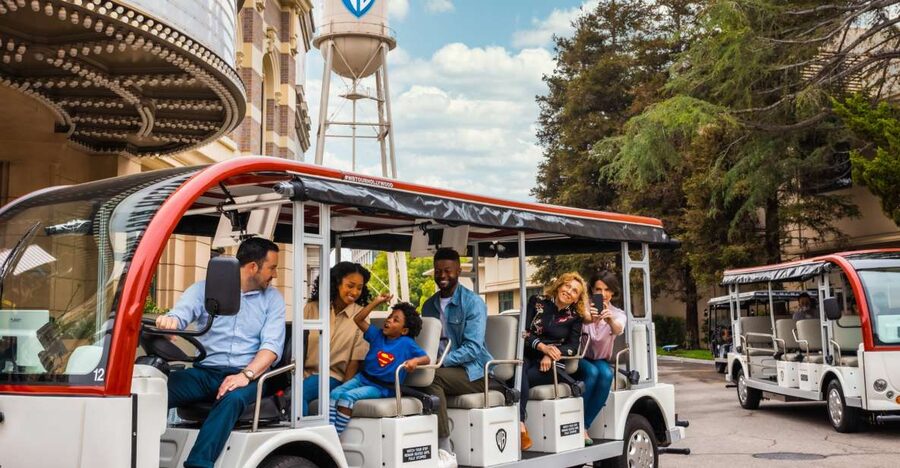
Los Angeles, minus the guesswork.
Studio backlots, Hollywood stories, beach sunsets and the road into Malibu — what each day is really like, what it costs, and where to book.
Seven bookings you won’t regret.
First trip or fifth, these carry the itinerary — the digital-art museum with the queue round the block, a morning with the wrestlers, the izakaya crawl your hotel concierge won’t mention.
Warner Bros. Studio Tour Hollywood
Warner Bros. Studio Tour Hollywood in Los Angeles pairs a guided backlot ride with self-paced sets like Friends Central Perk and Harry Potter.
From $76 per person
Read the review →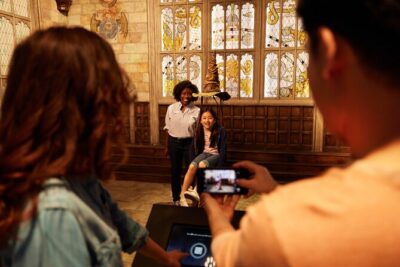 ★ 4.5Safe betWarner Bros. Studio Tour HollywoodFrom $765,246 reviews
 ★ 5.0Books out fastHollywood, Beverly Hills & Celebrity Homes Tour by Open Air BusFrom $392,557 reviews
 ★ 4.5Crowd favouriteHollywood and Celebrity Homes Bus TourFrom $392,074 reviews
 ★ 3.7Worth the detourHop-On Hop-Off Bus Tour with Audio GuideFrom $512,030 reviews
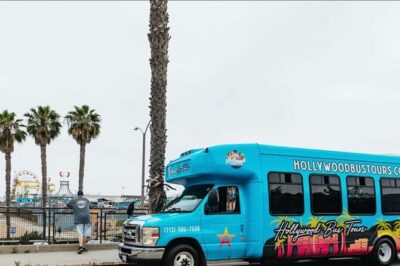 ★ 5.0Easy winHalf Day Best of Los Angeles Guided City TourFrom $691,966 reviews
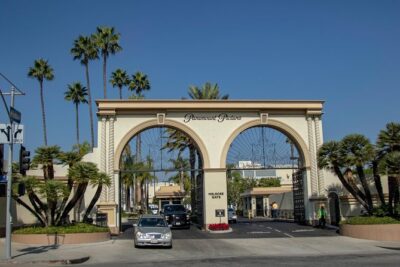 ★ 4.5Traveller favouriteHollywood Open Bus ToursFrom $301,801 reviews
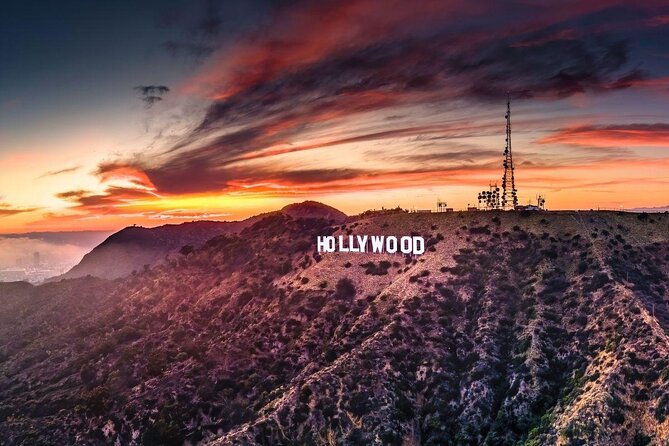
See the addresses behind the stories.
Beverly Hills rewards context: studio fortunes, modern architecture, famous hotels and the streets that shaped the city’s mythology. A good guide turns a drive into a readable map.
Which Los Angeles day is yours?
The city spreads in every direction. Pick the shape of day that suits you, then compare the reviewed options with prices, timings and booking details already surfaced.
 Icons in one loop
The classic city drive
7 hours 30 minutes (approx.) · from $99 · 6,147 reviews
Hollywood, Beverly Hills and the Sunset Strip in one coherent route. This is the efficient first-day choice when you want landmarks, stories and enough context to decide where to return.
Compare the city loops →
Icons in one loop
The classic city drive
7 hours 30 minutes (approx.) · from $99 · 6,147 reviews
Hollywood, Beverly Hills and the Sunset Strip in one coherent route. This is the efficient first-day choice when you want landmarks, stories and enough context to decide where to return.
Compare the city loops →
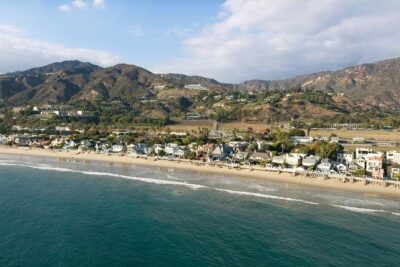 A full day out
The Anaheim day
9 to 10 hours (approx.) · from $92 · 862 reviews
Trade the city grid for a planned excursion south. Transport details matter here, so these reviews make the pickup, timings and real amount of free time easy to compare.
See Anaheim day tours →
A full day out
The Anaheim day
9 to 10 hours (approx.) · from $92 · 862 reviews
Trade the city grid for a planned excursion south. Transport details matter here, so these reviews make the pickup, timings and real amount of free time easy to compare.
See Anaheim day tours →
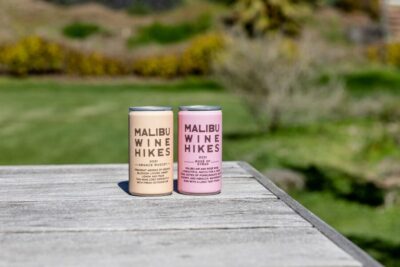 Coast at its best
The Malibu escape
from $49 · 391 reviews
Ocean roads, canyon overlooks and a slower rhythm beyond Santa Monica. Choose this when scenery matters more than ticking landmarks and you want somebody else to drive.
See Malibu tours →
Coast at its best
The Malibu escape
from $49 · 391 reviews
Ocean roads, canyon overlooks and a slower rhythm beyond Santa Monica. Choose this when scenery matters more than ticking landmarks and you want somebody else to drive.
See Malibu tours →
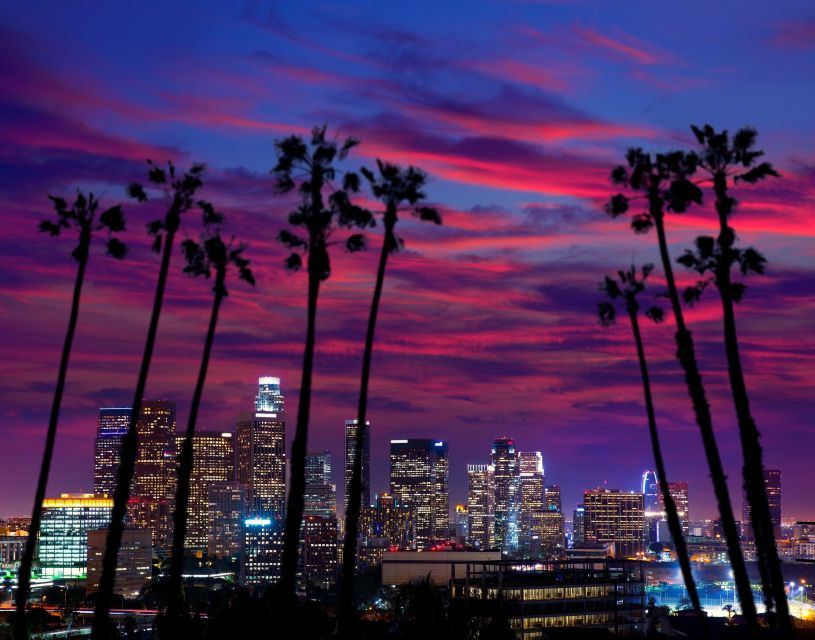
The city runs on its nights.
Golden Gai fits six people and a secret. Omoide Yokocho smells of tare and charcoal. You could spend years finding the right doors — or go once with someone who’s already welcome behind them.
Breakfast is the main event.
Los Angeles eats across neighbourhoods: market counters, immigrant kitchens and old-school institutions. These tours turn a sprawling food city into three very good hours.


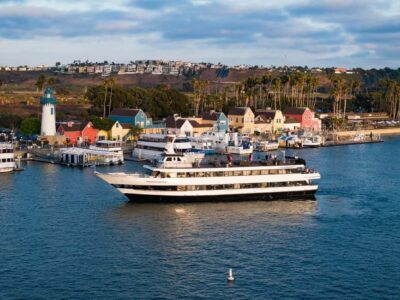
The city from the driver’s seat.
Exotic cars, landmark routes and long views over the basin. Compare what you drive, how long you get and which routes make the experience worth the premium.



Downtown keeps the city’s memory.
Civic landmarks, movie palaces, murals and neighbourhoods built in different eras sit within a few walkable blocks. The right guide makes the layers legible.
Pick your Los Angeles, district by district.
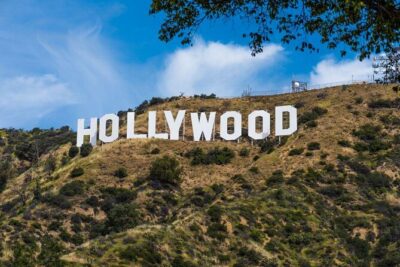
This is a city of separate centres. Hollywood for film history, Downtown for architecture, Santa Monica for the coast, Beverly Hills for the mythology and Malibu when you want room to breathe.
Know what you’re after?
Twelve doors into the same city — pick the one that sounds like your kind of day and every option behind it is already reviewed and priced.


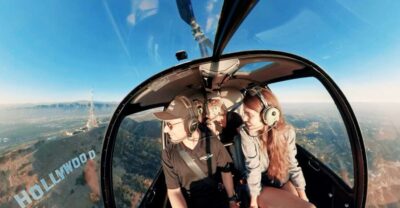
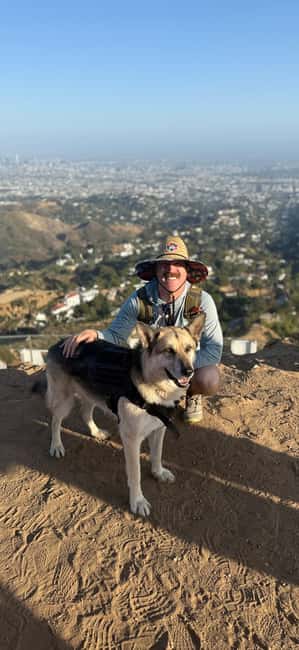
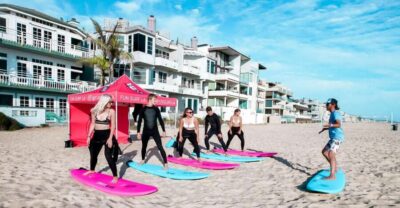
Out by nine, back for dinner.
Island harbours, ocean roads, theme-park cities and working waterfronts all sit within a day’s reach. The best tours solve the transport as well as the itinerary.
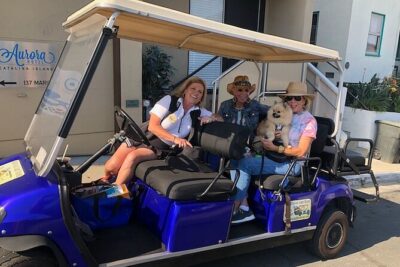
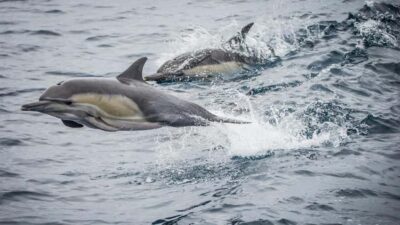
Three days, done right.
You cannot cross every corner in one trip; you can build three days that feel complete. This is the sequence we would give a friend landing at LAX tomorrow.
 Day 1
Read the city centre
Start Downtown with architecture and neighbourhood history, then stay for a market lunch and an evening skyline view. Compact geography, maximum context.
Plan day one →
Day 1
Read the city centre
Start Downtown with architecture and neighbourhood history, then stay for a market lunch and an evening skyline view. Compact geography, maximum context.
Plan day one →
 Day 2
The big city day
Hollywood history in the morning, Griffith Park by afternoon and the Sunset Strip after dark. Keep the route west-facing and the traffic works in your favour.
Plan day two →
Day 3
The coast
Santa Monica early, Venice while the boardwalk wakes, then Malibu’s ocean road and canyon views. Save sunset for the return.
Plan the coast day →
Day 2
The big city day
Hollywood history in the morning, Griffith Park by afternoon and the Sunset Strip after dark. Keep the route west-facing and the traffic works in your favour.
Plan day two →
Day 3
The coast
Santa Monica early, Venice while the boardwalk wakes, then Malibu’s ocean road and canyon views. Save sunset for the return.
Plan the coast day →
The newest reviews, before your dates fill.
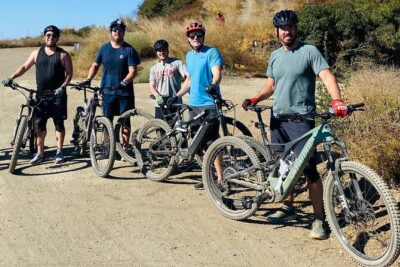 ★ 5.0Santa Monica Roller Coaster Mountain Bike Tour (Intermediate)From $1693 reviews
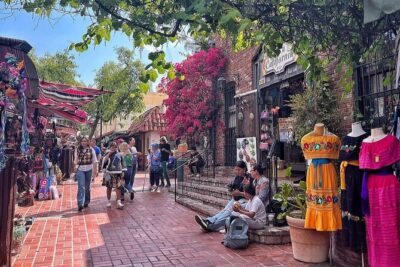 ★ 5.0LA Little Tokyo to Olvera St Smartphone (App/GPS) Walking TourFrom $73 reviews
 ★ 5.0Los Angeles Dodgers Baseball Game at Dodger StadiumFrom $853 reviews
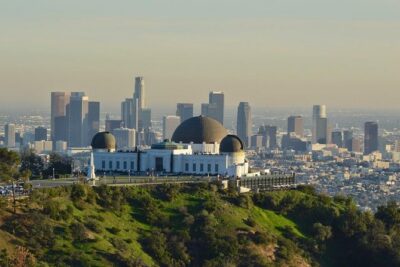 ★ 5.0Instagram Photo Private TourFrom $5493 reviews
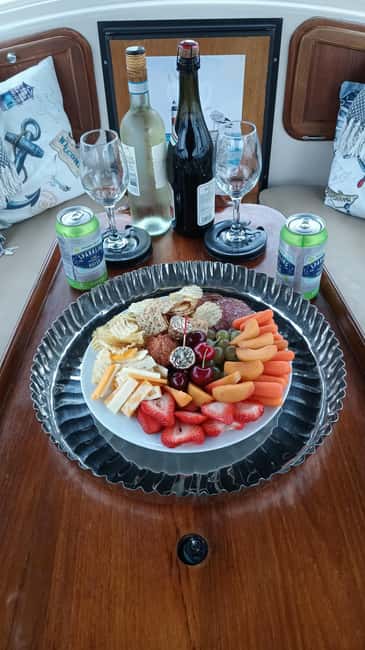 ★ 5.0Venice Beach & Malibu View Boat Cruiser- Music Wine SealionsFrom $1493 reviews
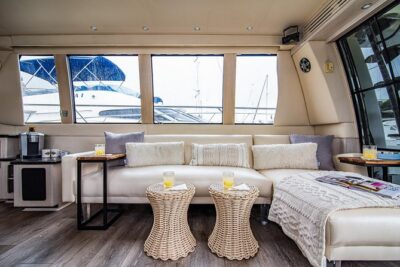 ★ 5.0Yacht rental charter in Marina del Rey – 60′ CARVER3 reviews
Los Angeles Angels Baseball Game at Angel StadiumFrom $73 reviews
★ 5.0Yacht rental charter in Marina del Rey – 60′ CARVER3 reviews
Los Angeles Angels Baseball Game at Angel StadiumFrom $73 reviews
 ★ 3.54 hours Sailboat Tour for 2 people along the Los Angeles Coastline3 reviews