
Reviewed · LOS ANGELES CITY TOURS
Old and New Downtown Los Angeles Walking Tour
Old and New Downtown Los Angeles can feel like two cities, stitched together. This walking tour threads the connection for you, mixing classic Downtown landmarks with the kinds of streets scenes that help you get oriented fast. You’ll cover major stops in a short window, with a guide who can turn buildings, neighborhoods, and patterns of growth into plain talk.
I especially like the small group size and the relaxed pace. It keeps the tour feeling personal, and it makes it easier to ask questions without shouting over a crowd. I also like that several stops are admission-free, so you can spend your money on the tour itself and still see big-ticket sights up close.
One possible drawback: a few key stops list admission as not included, and the tour is weather dependent. If it’s hot or rainy, you’ll want to dress for that and accept that the schedule may shift.
Key highlights to look for
- Local guide energy: Expect a guide like Phil, who shares street-level context and keeps the walk comfortable.
- A tight route with big payoff: Major DTLA anchors in about two hours.
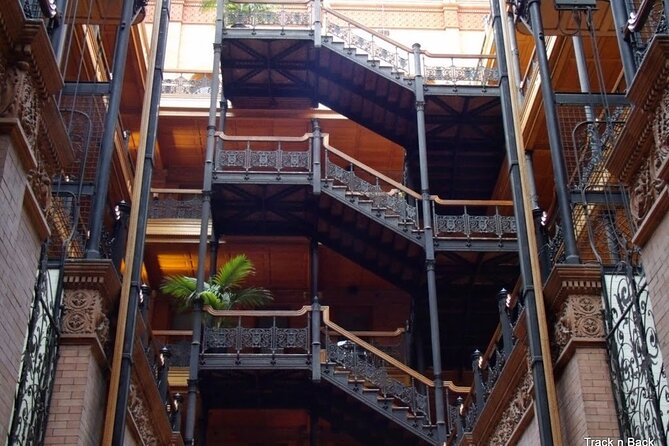
- Bradbury Building interior time: One of the best-known architectural stops on the route.
- Lots of free entry stops: Several landmarks are listed as free to access during the tour.
- Built-in shade and pacing: The itinerary is structured to keep most people moving comfortably.
Why old and new Downtown LA works best on foot
Downtown Los Angeles has a habit of hiding its best clues in plain sight. A short walk can show you how LA changed, block by block, without you needing to “study” anything. That’s the point here: you’re not just sightseeing landmarks, you’re seeing how they connect through streets, blocks, and neighborhoods that still feel like real city life.
This tour is also a smart intro to DTLA if you don’t yet know where things sit. You start near South Hill and end near Olive, so you’re finishing close to the center of the action. For first-time visitors, that matters. You’ll leave with a mental map of how the city’s older core lines up with today’s Downtown.
Another underrated benefit: the pace gives you time to look. You’ll pause at major architecture points long enough to notice details, then you’ll move on before you burn out.
You can also read our reviews of more tours and experiences in Los Angeles.


Price and time: getting value for $38
The tour costs $38 per person, runs about 2 hours, and uses a mobile ticket. For this part of LA, where you can easily spend a lot on separate admissions, this pricing structure is a good deal, especially because many stops are listed as free.
Here’s how the “value” math works in real life. You’re paying for guided orientation plus multiple landmark visits. Even if you add one or two paid-entry stops along the way, the tour still functions like a bundled way to see a lot of Downtown in a short time.
Do note the tradeoff: a couple stops list admission as not included. That’s normal for walking tours that focus on exterior viewing plus selective interior access. If you plan to visit those locations later on your own, you’ll know which ones matter most.
If your schedule is tight, the 2-hour format is ideal. It’s long enough to feel like you did something substantial, but short enough to still fit into a full day of LA.
The route starts at 349 S Hill St, then loops through DTLA
You meet at 349 S Hill St, Los Angeles, CA 90013 at 1:30 pm. The tour ends at 532 S Olive St near Pershing Square, and the walk back to the starting area is listed as about 5 minutes with the guide pointing you in the right direction.
That end point is not random. Pershing Square is one of Downtown’s central anchors, so finishing there helps you keep moving without needing a long taxi ride. It’s also useful if you’re pairing this with lunch, museum time, or just wandering around the theater district afterward.
Transportation-wise, the tour is noted as being near public transit. That’s another quiet win, because Downtown LA can be tricky for parking, and transit access makes the tour easier to slot into a real itinerary.
Finally, the group size caps at 20 travelers. That keeps things from turning into a conveyor belt and helps the guide manage questions.
Grand Central Market (since 1917): your orientation point
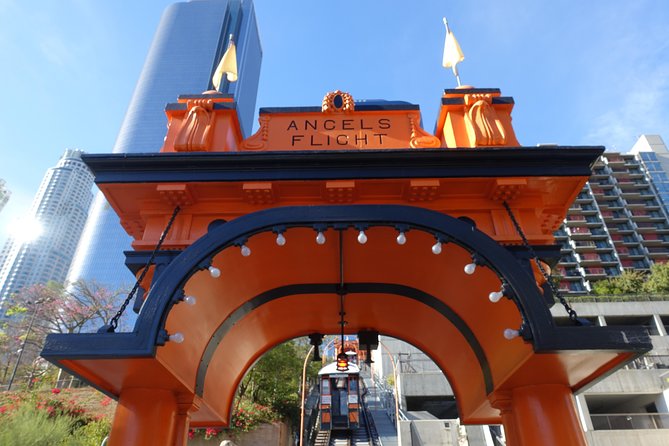
Your first major stop is Grand Central Market, a historic market that’s been operating since 1917. This is a strong opener because it’s a place where Downtown history is not sealed behind ropes. Even if you only spend a few minutes there, you’ll get a feel for how LA’s older market culture shaped the city center.
You’ll likely use this stop to “calibrate” your eyes. Before you move into theaters and arcades, Grand Central gives you street-level context: local vendors, the way people move through space, and the energy of Downtown as a working neighborhood, not just a photo set.
The tour lists admission as free for this stop, which helps you keep the experience low-stress. If you’re trying to squeeze in snacks, this is also a practical moment to do it, since you’re not paying an extra entry fee just to look around.
Historic Theater District: pre-WWII grandeur in smaller doses
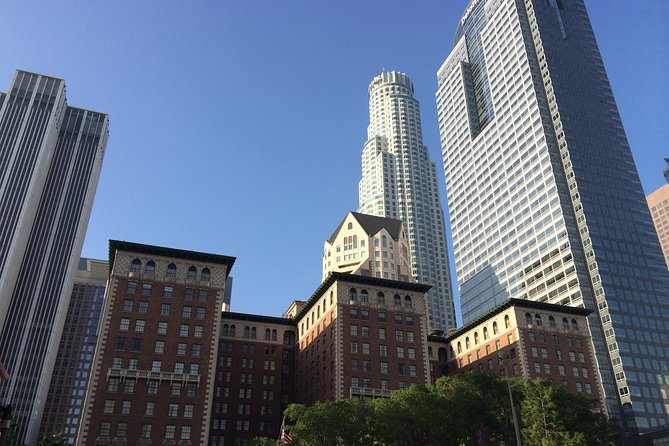
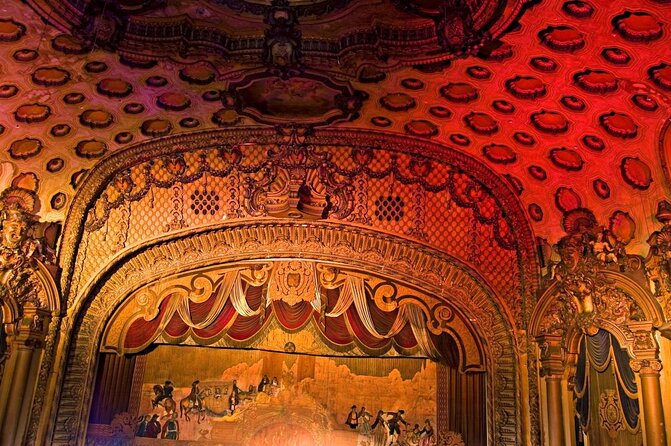
Next you head to the Historic Theater District, described as the largest collection of pre-WWII theaters in America. This is one of those stops that gives you instant visual payoff. Even from outside, theaters tell you a lot about the city’s ambitions when LA was growing fast.
The tour allots about 20 minutes here, which is a good amount. Too short and you miss the architectural variety. Too long and you start rushing your look. This length usually lets you spot recurring design themes, then step back and connect them to why Downtown used to anchor so much entertainment traffic.
A key detail: admission is listed as not included. That doesn’t mean the stop is a bust. It means your time here is mainly about exterior viewing and guided explanation. If you care about interior access, you may want to plan that separately later.



Bradbury Building interior: the movie-famous stop
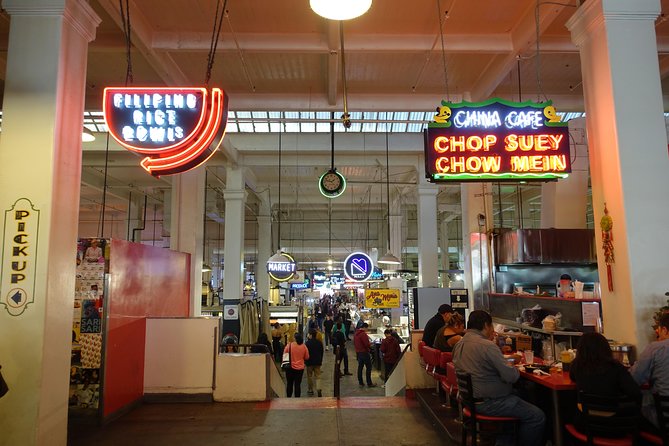
Then comes the Bradbury Building, which the tour describes as the oldest standing office building of Los Angeles. This stop is famous, and it’s famous for a reason: the structure is distinctive enough that it looks like a set even when it’s real.
The big reason this tour gets so much praise is that you don’t just look at it from the street. You have time to experience the interior. The route lists admission as free here, which is a major value factor. For many visitors, this is the “anchor moment” of the whole walk, because interior access turns photos into something you can actually stand inside.
If you care about architecture, this is also where your guide’s stories matter most. Downtown buildings are often linked to industry, design trends, and local ambition. Seeing the space in person is what makes those stories stick.
Practical note: this building area can be cooler than the street, which helps if you’re walking in warmer months.
Old Bank District, Spring Street of the West, and the story of money
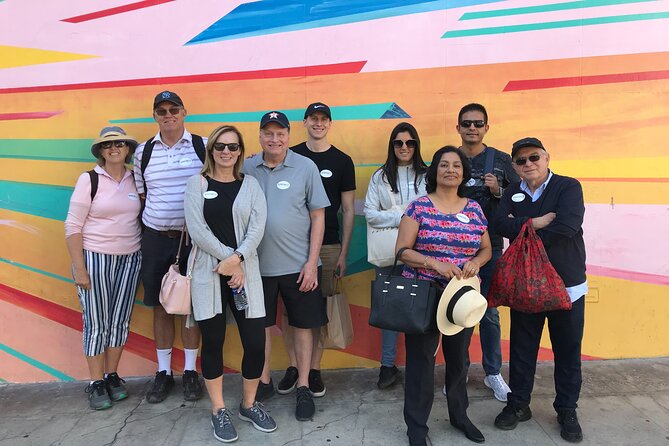
Your next stop is the Old Bank District, nicknamed Spring Street of the West. This is a great pause because it shifts the tour from “entertainment LA” to “economic LA.”
About 25 minutes is allocated here, and that’s long enough for the guide to connect the dots. You’ll likely hear how Downtown’s old banking and commercial power shaped street patterns and building styles. This stop can feel a little more “context” than “wow,” but it’s exactly what makes the earlier theater and market stops mean something.
The tour lists admission as free for this segment, so you can treat it like a guided walk-through of the neighborhood’s logic. If you tend to miss history lessons, this is one you’ll probably still enjoy because it’s grounded in what you can see: streets, facades, scale, and placement.
Jewelry District and Spring Arcade: shopping streets with character
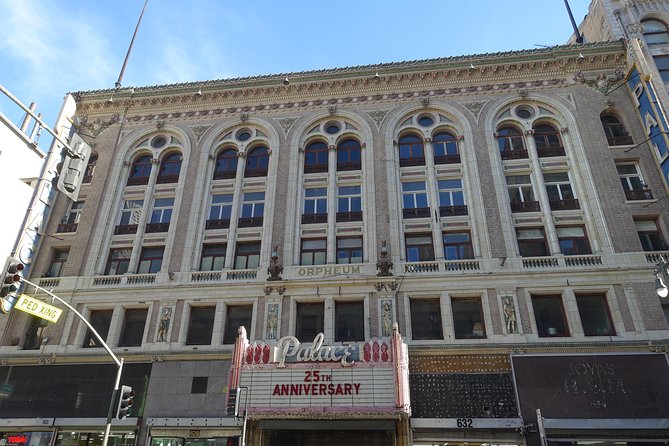
After the Old Bank District, you move into two areas that are fun because they feel like active parts of Downtown, not just memorial stops.
First is the Jewelry District, described as America’s largest jewelry district. The tour gives you about 10 minutes here and lists it as admission free. Even if you don’t buy anything, walking through helps you understand Downtown as a working city. It also gives your camera a break from grand architecture and lets you focus on everyday detail.
Then comes Spring Arcade Building, with a set of boutique restaurants. You’ll get about 10 minutes and free admission again. Arcades and passages are a classic LA layer, and this stop helps you spot how Downtown connects commercial life through semi-hidden corridors and interior streets.
These two stops are where the walk starts to feel like “modern Downtown” rather than strictly early LA. If you want to keep the tour balanced, this part does it.
Clifton’s Republic and the Biltmore: food history and big-hotel ambition
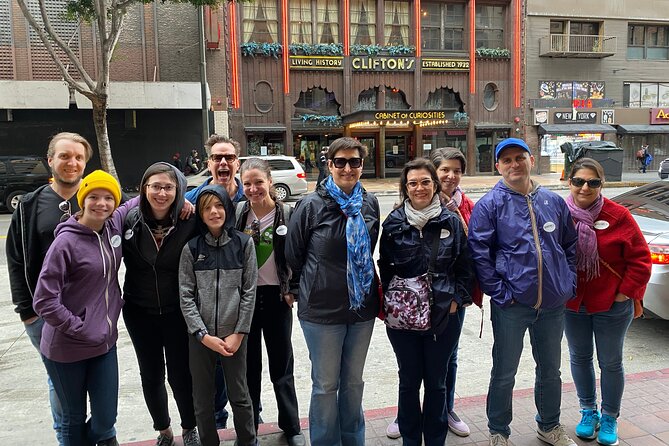
Next you’ll pass Clifton’s Republic, described as an iconic cafeteria since 1932. The tour lists admission as not included for this stop, so expect this to be more about orientation and maybe quick looks rather than a full meal included in the ticket.
That’s fine if you plan to use it like a guide-led detour. Clifton’s is one of those places that feels like it belongs to the era of Downtown cafeterias and daily rituals. Even if you skip a sit-down, the stop helps you understand why the Downtown core has always attracted repeat foot traffic.
After that, you visit the Biltmore Los Angeles, described as the grandest hotel of Los Angeles. You’ll spend about 10 minutes with free admission listed.
This is an important contrast stop. The Biltmore gives you a feel for Downtown’s grand hospitality side, and it helps balance all the “work and entertainment” theme you’ve already seen. It also gives you a good photo moment, since big hotels are visually expressive and easy to read at street level.
Pershing Square to finish: you end near a true Downtown anchor
The tour finishes at Pershing Square, described as LA’s central square. You have about 10 minutes here, and admission is listed as free.
This ending is practical. Pershing Square is a spot where it’s easy to keep wandering in multiple directions, catch a ride, or plan the next stop in your day. Since the ending point is near the starting area, you also avoid that last-mile feeling some Downtown tours create.
It’s also a good “reset” moment. By the time you reach the square, you’ve already built a mental map of Downtown’s key layers. Ending in a central open area helps your brain file everything into place.
Who should book this DTLA walking tour?
This is a great choice if you want a guided orientation and a simple way to see major Downtown architecture without building a complicated self-guided route.
It also suits families because the tour is described as stress-free and structured for comfort. The route is short enough to keep kids and grandparents from losing patience, and the guide can pace the group.
If you’re older or you prefer breaks, pay attention to the way this tour is run. The experience is praised for being easy on the legs and accommodating people who need time to stand or sit, including shade stops.
If you’re traveling solo or as a couple, the max group size of 20 travelers keeps the experience friendly. And if you’re a first-timer in LA, the “old plus new” mix gives you a framework you can build on later.
A quick guide to what’s free vs not included
One thing I find helpful about this tour is how clearly the stops are framed for entry.
Stops listed as free include:
- Grand Central Market
- Bradbury Building
- Old Bank District
- Jewelry District
- Spring Arcade Building
- Biltmore Los Angeles
- Pershing Square
Stops listed as not included include:
- Historic Theater District
- Clifton’s Republic
For the stop named Shortest Railway in the World, the admission status is not stated in the info provided. If this matters to you, check what’s included at booking so there are no surprises.
Should you book Old and New Downtown Los Angeles?
Yes, if you want a straightforward, high-impact DTLA introduction. The strongest reason to book is that you get guided context across several landmark areas in about two hours, with a pace that does not feel like a sprint. The Bradbury Building stop with interior time is a standout value point, especially since admission is listed as free.
I would book it with confidence if you:
- want a small-group walking tour with time to ask questions
- like architecture, markets, and Downtown street life
- prefer not to plan multiple tickets and separate tours
I’d hesitate only if you’re set on paid interior access for the theater district and Clifton’s during the exact same visit. Since those entries are listed as not included, you might need a separate plan if interior access is your top priority.
If you’re deciding last minute, aim for good weather and wear comfortable walking shoes. Downtown is best when you can enjoy the streets, not rush past them.
More Tours in Los Angeles

More Tour Reviews in Los Angeles
Not for you? Here's more nearby things to do in Los Angeles we have reviewed










Los Angeles City Tours, compared.
 ★ 4.6Warner Bros. Studio Tour HollywoodFrom $767,191 reviews
 ★ 5.0Full-Day Iconic Sights of LA, Hollywood, Beverly Hills, Beaches and MoreFrom $996,147 reviews
 ★ 5.0Full-Day LA Tour: Santa Monica, Hollywood and Beverly HillsFrom $952,431 reviews
 ★ 3.7Hop-On Hop-Off Bus Tour with Audio GuideFrom $512,030 reviews
 ★ 5.0Half Day Best of Los Angeles Guided City TourFrom $691,966 reviews
 ★ 4.7Half-Day Best of LA TourFrom $591,778 reviews
 ★ 5.0Shared 3 Hour Los Angeles TourFrom $501,686 reviews
 ★ 4.1Hollywood & Celebrity Homes Open-Air Bus TourFrom $291,624 reviews
Browse the lists this tour appears in