
Reviewed · WORKSHOPS
Thai Cooking Class in Fullerton, California
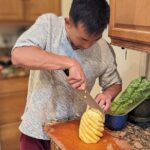
A Thai lesson at home, not a cafeteria line. This private Fullerton class with Young is all about hands-on cooking plus a sit-down meal, where you make three Thai dishes from scratch and learn how the flavors work across regions. I love the direct, practical pace, and how the focus stays on Thai hospitality, not just food.
One thing to consider is that the experience is tightly packed: you cook for about two hours, then you eat what you made. If you want a longer tour with extra stops, this is more of a focused cooking session than a full-day outing.
Key Things I’d Watch For Before You Go
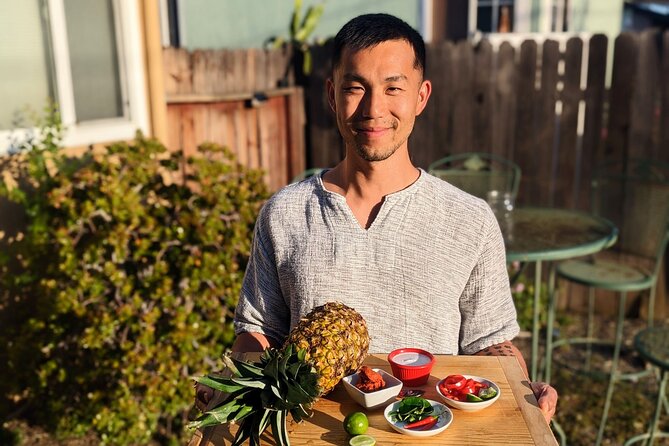
Young teaches Central Thai dishes, also called Royal Thai food, and Northeastern Thai dishes, known as Isaan food. The class happens in a residential kitchen near California State University, so it feels local and relaxed. It also helps that he can accommodate vegetarian, vegan, and pescatarian diets if you tell him ahead of time.
Quick Highlights
- Three dishes from scratch: pineapple curry, wing bean salad, and galangal soup
- Private class format so you learn at a pace that fits your group
- Region mix: Central Thai and Isaan flavors in one session
- Balance training: you focus on how flavors are adjusted, not just following steps
- Cook, then eat in the same setting you cooked in
- Near public transportation, with a clear meeting address at 819 N Acacia Ave
You can also read our reviews of more tours and experiences in Anaheim and Buena Park.


Cooking in a Real Home Near California State University
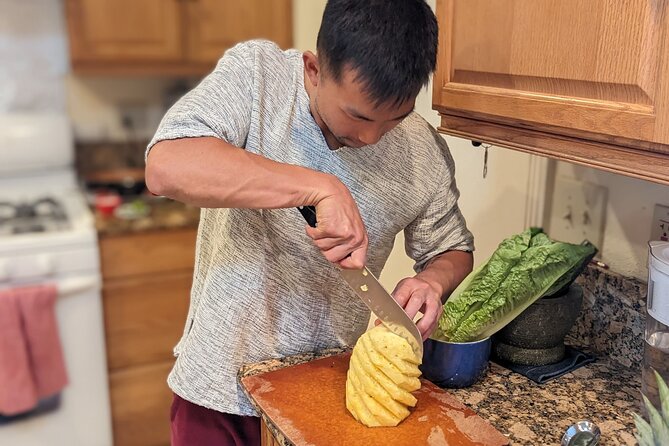
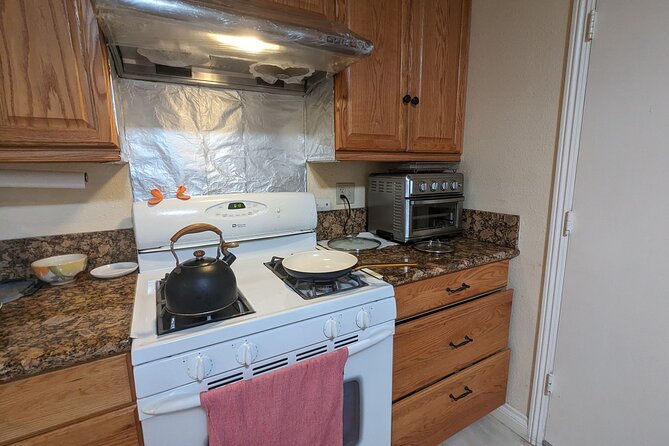
This is a private Thai cooking class in a residential area near California State University, run by Young, who lives locally with his wife and father. That home-kitchen setting matters because it changes the feel. You are not watching food go by on a screen, and you are not rushing through a show. You’re working side by side with the person explaining the food, including the small flavor choices that make Thai cooking taste like Thai cooking.
The meeting point is 819 N Acacia Ave, Fullerton, CA 92831. Since the experience ends back at the meeting point, you can treat it like a self-contained evening plan. It is also listed as near public transportation, which is useful if you do not want to spend your time hunting for parking.
If you are coming in with diet needs, this is where you’ll be glad you read the details. The class offers vegetarian, vegan, and pescatarian options, but you must tell Young in advance about your restrictions. That means the session can be planned around what you can actually eat, not just adjusted at the last second.
How the Timing Actually Works: 2 Hours to Cook, 3 Hours Total
The class is listed at about three hours total, with the cooking portion lasting around two hours. After that, you sit down to share the meal you helped prepare. In plain terms, you get enough time to learn the core techniques for three dishes, plus time to eat without feeling like you’re packing your own dinner and sprinting back out.
For me, the sweet spot here is the pacing. The reviews highlight that Young is patient and the pace is just right, with conversations that go beyond surface-level talk. That matters because Thai cooking is all about adjusting flavors as you go. A rushed class can turn into step-by-step chaos. A well-timed class gives you a chance to notice what happens when you add, taste, and adjust.
So if you are the kind of person who likes to ask questions while cooking, this format is a good fit. You’re not stuck waiting until the end. You’re cooking while the food logic is being explained.
The Three Recipes You’ll Make, and Why They Teach Real Thai Flavor
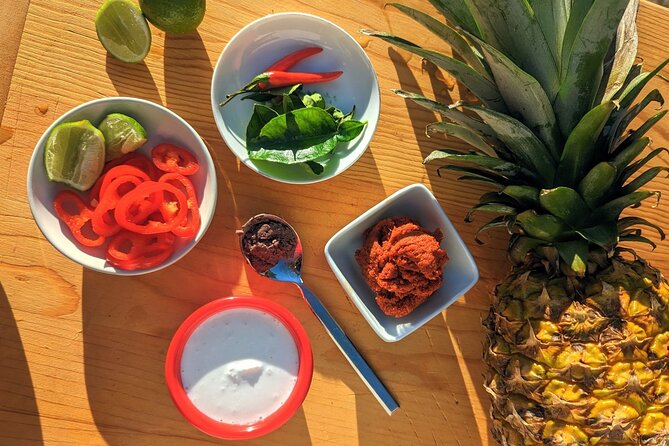
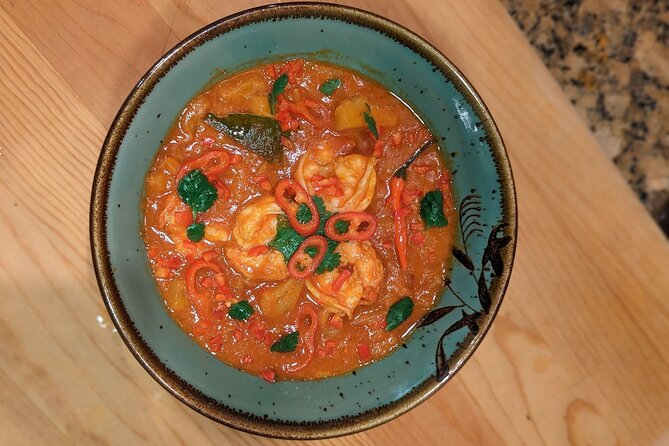
You’ll make three dishes from scratch: pineapple curry, wing beaned salad, and galangal soup. On paper, that’s a simple list. In practice, it’s a smart mix because each dish tests a different part of Thai cooking.
Pineapple Curry: Sweet, Salty, and Balanced
Pineapple curry is a great gateway dish because it combines fruit sweetness with the deeper savory flavors Thai curries are known for. You’ll get a feel for how Thai cooks balance richness and tang, not just how to make curry paste.
Why it’s valuable: this dish forces you to learn balance. Too sweet, and it tastes like dessert. Too salty or heavy, and the pineapple feels flat. The goal is harmony, and that’s exactly what the class emphasizes.


Wing Bean Salad: Crunch, Herbs, and Flavor Adjustments
Wing beaned salad is not the type of dish most people can replicate without guidance. Wing beans are crunchy and absorb flavors, so this recipe helps you practice seasoning in a way that sticks.
Why it’s valuable: salads in Thai cooking are about more than freshness. They are about how herbs, acidity, and seasoning come together. If you like food that tastes bright and layered, this is one of the best parts of the menu.
Galangal Soup: The Power of Aromatics
Galangal soup is where aromatics take the lead. Galangal is one of the key flavors in Thai soups, and it has a distinct bite that changes the whole mood of the bowl.
Why it’s valuable: soups teach you timing. If you add aromatics too late, the flavor can feel muted. If you boil too aggressively, everything changes texture. Learning this dish helps you understand how Thai cooking builds fragrance into the finished bowl.
And yes, you don’t just watch these dishes. You make them, then you eat them. That makes a huge difference because you can actually compare what you did to what you expected, and then adjust your understanding for next time you cook.
Central Thai and Isaan Food in One Evening
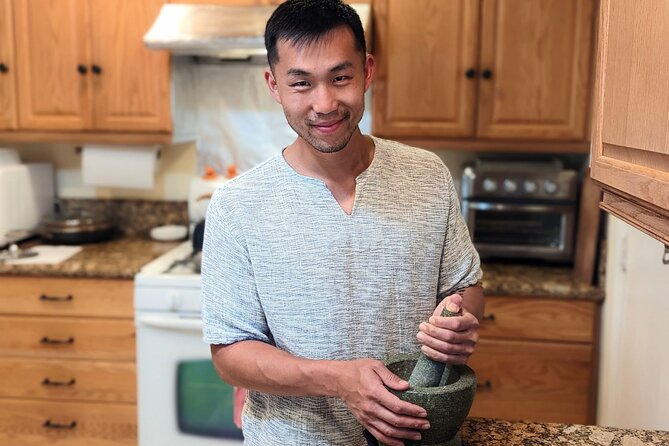
One of the most praised parts of this class is that Young doesn’t teach Thai cuisine as one flat category. The session covers Central Thai dishes, also referred to as Royal Thai food, plus Northeastern Thai dishes, known as Isaan food.
This matters because each region has its own flavor instincts. Central Thai food often leans into balanced, layered flavors, frequently with the comfort of coconut milk and the careful balancing of sweet, salty, sour, and heat. Isaan food often leans into bolder, tangier flavors and the heavy use of herbs and regional seasoning styles. You don’t need to become an expert tonight, but you do get a real sense that Thai cuisine is not one flavor profile.
The reviews mention that conversations are colorful and detailed about various Thai region cuisines. That is a big deal for you if you like understanding what you’re tasting. You walk away with more than recipes. You walk away with context.
Thai Hospitality, Not Just Thai Recipes
Cooking classes can sometimes feel like a transaction: pay, cook, eat, leave. This one reads differently because Young is described as gracious, patient, and very good at teaching Thai customs along the way.
That hospitality shows up in the way the class is run. Young is noted as ready and well prepared, and the pace is handled in a way that keeps you engaged rather than overwhelmed. If you tend to get nervous in kitchens, this kind of steady teaching style can make the difference between enjoying the process and feeling lost.
Also, the fact that it is private helps here. You’re not trying to compete with a noisy room, or share attention with a dozen other people. You can ask questions and keep up with the cooking steps without feeling like you’re holding up a group.
What You Should Plan For Before You Arrive
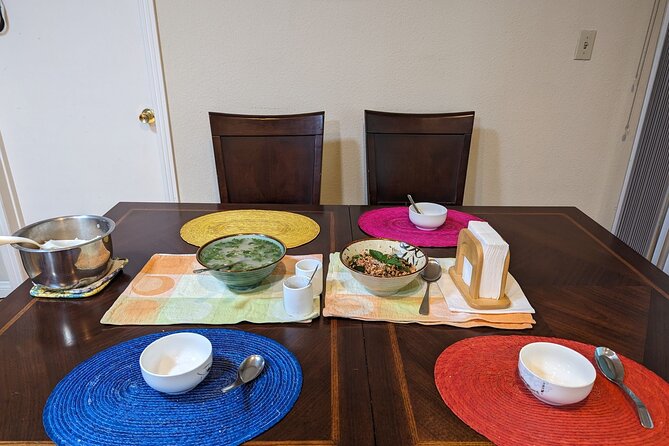
You do not need to bring anything special based on the information provided, but there are smart, practical steps you should take so the experience stays smooth.
- Tell Young your dietary needs in advance if you are vegetarian, vegan, or pescatarian.
- Plan to arrive near the meeting point at 819 N Acacia Ave a little early so you’re not rushing in.
- Treat it like a real meal plan. You’ll cook, then you’ll sit down and eat what you made, so plan around that timing.
The class uses a mobile ticket. If your phone battery is shaky, top it up before you head out. It sounds minor, but it prevents last-minute stress.
Also, since the class ends back at the meeting point, you can book your next plans without worrying about getting stranded in a different neighborhood.
Price and Value: Is $66 a Good Deal?
At $66 per person, this class sits in the category of paid experiences that are trying to be both fun and useful. The value is not just the food. The value is that you learn three dishes, you cook them yourself, and then you eat the results in a private, local-home setting.
A typical mistake is comparing the price to a restaurant meal. A restaurant meal gives you food. This gives you skills, plus cultural context about Thai cuisine and hospitality. You are paying for instruction, ingredients, and the time it takes to teach a process, not only a plate.
The class is also described as private, meaning you are not splitting attention across a crowd. If you’re traveling with a friend or partner, the private format can make the price feel even more reasonable because you’re getting a full guided cooking session for your group.
If you want the quickest way to get hands-on with Thai cooking without committing to a long course, this is a strong option. It’s not a short sampling. It’s not a day-long workshop either. It’s a focused 3-hour experience built around real dishes.
Who This Thai Cooking Class Is Best For
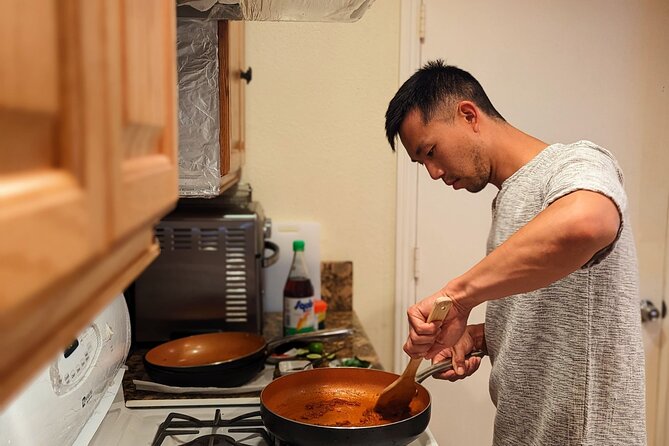
This is a great fit if you want authentic Thai food in a small, teachable format.
You’ll likely enjoy it if:
- You love Thai flavors and want to learn how they’re built, not just eaten
- You like hands-on lessons where you cook alongside the host
- You’re traveling with a small group and prefer a private experience
- You want Central Thai and Isaan food exposure in one session
- You need vegetarian, vegan, or pescatarian options and want accommodations planned ahead
It may not be the best fit if you mainly want sightseeing, shopping, or a multi-stop tour. This is first and foremost about cooking and eating, with cultural conversation woven in.
Should You Book This Cooking Class?
If you’re craving a real Thai cooking lesson in Fullerton, this is the kind of plan that tends to pay off. Young’s teaching style is described as patient and well paced, and the menu is designed to give you a practical mix of dishes that build real flavor understanding.
Book it if you want: hands-on cooking, three recipes from scratch, and a sit-down meal with Thai culture conversation. Consider skipping if you’re looking for lots of extra stops or a full-day itinerary.
FAQ
What dishes will I learn to cook in this Thai cooking class?
You’ll learn to make three dishes from scratch: pineapple curry, wing beaned salad, and galangal soup.
How long is the cooking class?
The cooking portion is about 2 hours, and the full experience lasts approximately 3 hours.
Is this tour private or shared?
This is a private tour or activity. Only your group will participate.
Can the host accommodate vegetarian, vegan, or pescatarian diets?
Yes. Young can accommodate vegetarian, vegan, and pescatarian diets, but you should let him know in advance about any dietary restrictions.
Where does the class meet?
The meeting point is 819 N Acacia Ave, Fullerton, CA 92831, USA. The activity ends back at the meeting point.
How much does it cost?
The price is $66.00 per person.
When will I receive confirmation after booking?
You’ll receive confirmation within 48 hours of booking, subject to availability.
What is the cancellation policy for a full refund?
You can cancel up to 2 days in advance of the experience for a full refund. Cut-off times are based on the experience’s local time.
More Tour Reviews in Anaheim and Buena Park
Not for you? Here's more nearby things to do in Anaheim and Buena Park we have reviewed











Workshops, compared.
 ★ 4.8Surfing Lesson in Venice BeachFrom $69442 reviews
 ★ 5.01.5-Hour Surf Lesson in Santa MonicaFrom $140146 reviews
 ★ 5.0Shared 2 Hour Small Group Surf Lesson in Santa MonicaFrom $85144 reviews
 ★ 5.02-Hour Surf Lesson in Santa MonicaFrom $14595 reviews
 ★ 5.0Surf Class for Beginners in Venice83 reviews
 ★ 4.8Private Surfing LessonFrom $9975 reviews
 ★ 5.0Private Surfing Lesson in Santa MonicaFrom $12547 reviews
 ★ 5.0Private Surf Lesson in Venice Beach42 reviews
Browse the lists this tour appears in