

Reviewed · LOS ANGELES CITY TOURS
Outdoor Escape Room in LA – Little Tokyo
Little Tokyo turns into your puzzle board. It’s an outdoor clue hunt with an escape-room feel, where the city becomes the game map and the answers move you forward. I love how the puzzles use real landmarks like Biddy Mason Memorial Park, and I also like the mix of easy, medium, and challenging moments with hints if you need them. One thing to plan for, though, is that you’re walking around Downtown LA for about two hours, so comfort with outdoor time matters.
The format is simple: you start in Little Tokyo, find clues in the real world, solve the puzzles, and type in your solutions on an app to reveal where to go next. The whole thing is private for your group, and you only buy one ticket for up to six people, which is great if you’re traveling with family or friends. The mission is also fun, a Chronos Agency case about a ring of double agents, with an undercover storyline you can lean into while you solve.
You’ll begin and end back at the same meeting point in Little Tokyo. The activity runs daily from 7:00 AM to 8:00 PM, service animals are allowed, and it’s near public transportation, so you’re not stuck with a long pregame transit headache.
Key Things I’d Bet You’ll Love
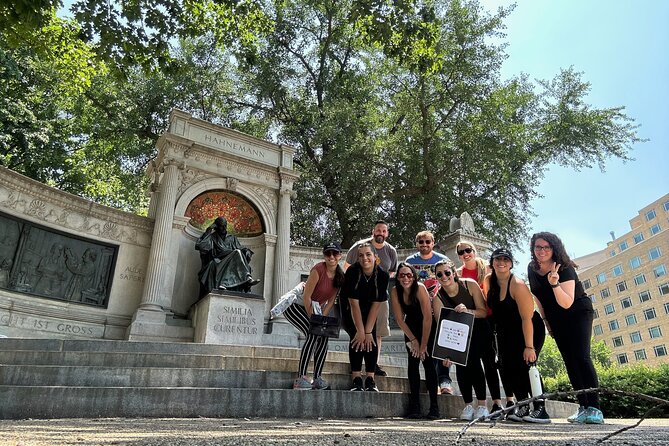
- Landmarks are part of the puzzle: You’re not just solving at a desk, you’re reading the city to figure out the next step.
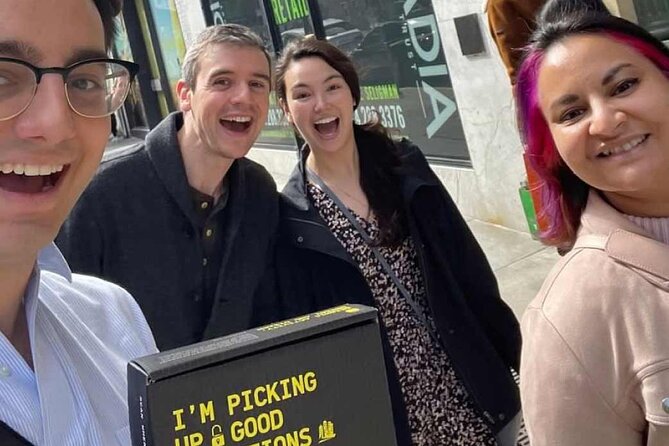
- Physical box plus an app workflow: Find clues, solve, then enter answers in the app to unlock the route.
- Chronos Agency double-agent storyline: The theme keeps you moving with a clear, game-forward goal.
- Puzzle variety with hints available: Expect easy, medium, and tougher puzzles, without feeling trapped.
- Great group value: $75 per group (up to 6), and it’s private, so you’re not being blended with strangers.
- You’ll learn as you go: Stops can include places like Biddy Mason Memorial Park, helping you notice new details in familiar neighborhoods.
How the Outdoor Escape Room Works in Little Tokyo
This is one of those activities where you trade a sealed room for open air. The game is designed like a classic escape room, but you solve it while walking through Downtown LA, using real-world clues tied to the neighborhood around Little Tokyo.
You’ll start at Little Tokyo and get set up for the physical part of the challenge, then you’ll spend the next stretch searching for clues around the area. As you find puzzle pieces, you solve the codes and then enter your answers on the app. The app is your bridge between locations, because each correct solution tells you where to go next.
The pacing is flexible. The full experience is about two hours, but it can stretch depending on your experience level and how much time you spend looking around on the way. That means you’re not just rushing from point A to point B. You’re making choices, stopping to think, and taking in the neighborhood as part of the fun.
You can also read our reviews of more tours and experiences in Los Angeles.



Your Mission: Chronos Agency, Double Agents, and the TAJ Code
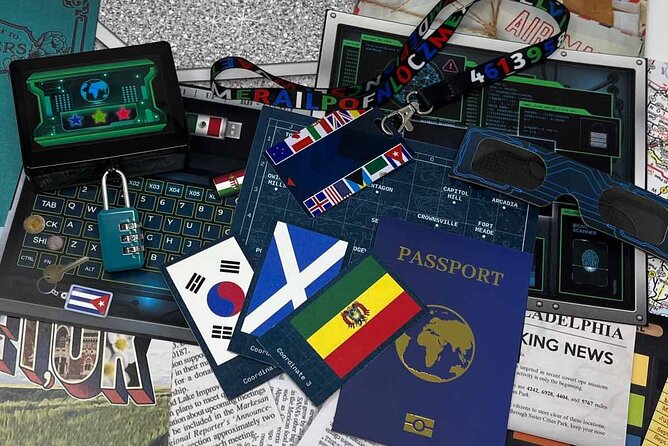
The story gives the whole hunt a reason to exist. You’re going undercover to expose a ring of double agents that has infiltrated the Chronos Agency. It’s a spy-flavored theme, and it turns a normal walk into a mission with stakes and momentum.
One detail that stands out from the way the game is talked about is that there’s a code-word element, including TAJ. That fits the theme perfectly, because it makes you feel like you’re decoding information rather than just collecting trivia. If you like games where the theme actually supports the puzzles, you’ll probably enjoy how the story frames the problem-solving.
Also, the vibe you can create for yourself is part of the fun. People have mentioned leaning into spy-movie energy by playing mission-style theme music while they walk between stops. You don’t need to do that, but it’s an easy way to get in the mindset, especially if you’re teaming up with kids or a group that needs a little extra energy.
Walking Time, Start Point, and What a Smooth Schedule Looks Like
Plan for about two hours of play time. That’s the baseline, but it’s not a hard clock that ignores real life. If you take breaks, explore longer, or puzzle a bit longer, it will run to the upper end. If you’re fast at logic games, you might finish sooner, but the design still assumes you’ll have time to search and move carefully.
Your meeting point is in Little Tokyo, and the activity ends back there too. That matters because you’re not trying to “solve your way” across the whole city. You’re working a loop in one neighborhood, which keeps the logistics simpler and helps you focus on the game rather than on navigation stress.
Hours are also wide. The experience runs daily from 7:00 AM to 8:00 PM during the listed operating window. If you want a calmer start, aim for earlier in the day. If you’re coming after morning sightseeing, late afternoon fits too. Either way, you’re not locked into a single narrow time slot.
Finally, it’s near public transportation, so you can reach the start without needing a car. Service animals are allowed, and most travelers can participate, which suggests it’s built for a wide range of walkers and groups.
The Puzzle Mechanics That Make This Feel Like a Real Game
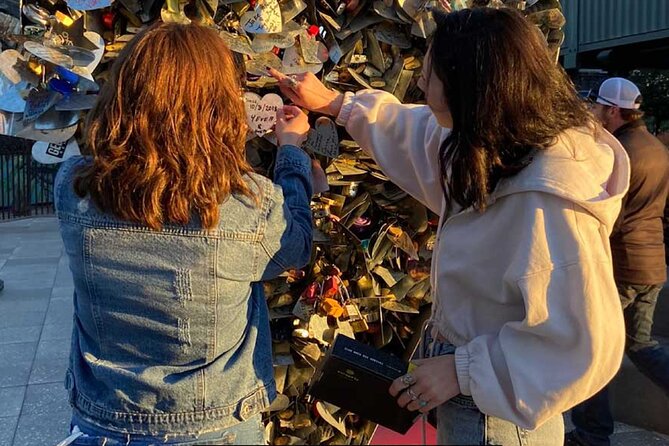
A lot of outdoor puzzle hunts feel like scavenger lists. This one feels more like a game system. You’re not just finding objects, you’re solving codes and using the app to confirm answers and unlock the next location.
Two things I’d highlight from the way people describe the experience. First, the puzzles tend to be clear. That’s important because unclear instructions are how outdoor games lose people. You want a challenge that makes you think, not one that makes you argue about what you were supposed to do.
Second, the puzzle mechanisms include some things that people who’ve done many escape rooms haven’t seen before. That’s a big deal for repeat escape fans, because it suggests the designer is not just copy-pasting indoor formats into the outdoors. You’re using the environment as part of the solve, and that changes the way the game feels.
There are also hints available throughout. That keeps you from getting stuck for too long, but it still protects the fun of figuring things out as a team. If your group likes a light assist rather than pure trial and error, this balance is a win.
Landmark Clues and Stops, Including Biddy Mason Memorial Park
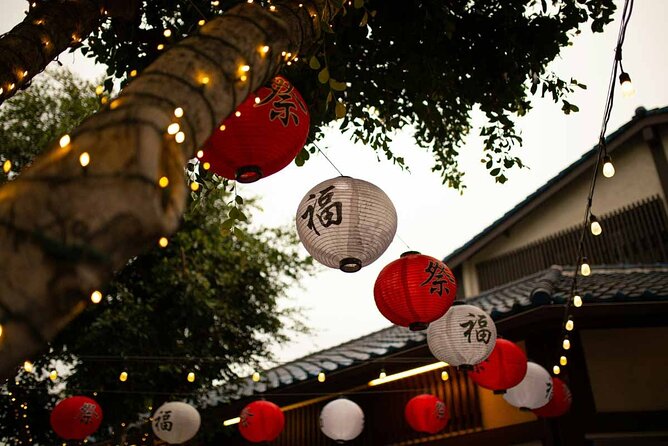
One of the most praised aspects is how the game uses actual landmarks to solve the puzzle. That doesn’t just make it interesting. It makes it educational in a very practical way: you start paying attention to details you’d normally skip.
A specific example that comes up is Biddy Mason Memorial Park. The game can lead you there, and it gives you a reason to notice it beyond the usual pass-by. If you’ve been to downtown LA before, you’ll probably recognize the area around Little Tokyo, but you’ll still likely discover things you did not notice on previous walks.
If you’re with kids or family members, this is also a great teaching style. It turns history or neighborhood context into a reward for solving. Instead of someone lecturing you, you’re walking, figuring it out, and then learning what the place means because it’s directly tied to the mission.
The other benefit is simple: you get a better neighborhood feel. You’re not only traveling between “tourist dots.” You’re working in the real fabric of the area, which often creates that moment of, oh, I didn’t realize this was here.



Team Strategy for Up to Six People
This activity is designed for groups of up to six, and it’s private to your group. That private setup matters, because outdoor games can get chaotic when multiple groups collide. Here, you can focus on your own communication and pace.
In a group of 2 to 6, you’ll get the best experience if you treat it like a team sport. A few practical roles that work well:
- One person leads clue reading and keeps the mission story on track.
- One or two people handle the logical solving side.
- Another person watches for details on the route, like text, layout, or location cues.
- Someone else can focus on entering solutions in the app at the right moment.
You don’t need formal roles. But having a simple division of labor cuts down on wasted time and keeps everyone engaged, especially for mixed-experience groups where one person is faster at puzzles and another is faster at spotting clues.
For families, this structure is also why the game can work across ages. An 11-year-old and adults can contribute in different ways, and hints help keep the challenge in a good zone.
Price and Value: $75 Per Group for Up to Six
The price is $75 per group, good for up to six people. That is where the value gets real. If you price this like a typical attraction per person, the math gets much better when you’re traveling as a group.
In practical terms, it means:
- A couple can treat it as a fun half-trip without paying per head in a way that spikes costs.
- Families can spread the cost across multiple people, making it easier to justify than a pricey ticketed activity.
- A group of friends can split into teams and still stay within the same single-group rate.
One more value angle is that it’s booked fairly far ahead, on average about 20 days. That doesn’t just mean demand. It also signals the experience has enough popularity that planning ahead pays off.
Also, one ticket covers the group. That reduces the planning friction. You’re not coordinating several staggered tickets or worrying that someone will book the wrong entry.
One consideration on the value side: the cancellation policy is strict, non-refundable and cannot be changed. So once you book, you’ll want to be fairly confident your group can make the time.
What Might Be a Downside for Some Groups

I’d call out one main consideration. This is an outdoor, walking-based puzzle experience, and it takes about two hours. If your group has limited mobility, prefers seated attractions, or doesn’t like being outside for that long, this may not feel like a perfect fit.
The other thing to keep in mind is that puzzle games can be either motivating or frustrating depending on your group style. This one includes hints, which helps, but if you strongly dislike problem-solving, you might feel like you’re dragging your feet. If you love codes, clues, and team discussions, you’re in the right lane.
Weather and crowd density can affect any outdoor plan, even when the game is well designed. The good news is that the activity hours are long, so you can often choose a time that matches your comfort.
Who Should Book This Little Tokyo Escape Adventure
You’ll like this if you:
- Want a walk with purpose, where sightseeing and puzzle-solving are tied together.
- Like escape rooms but want a change of scenery from indoors.
- Enjoy neighborhood exploration, especially in a part of LA that many visitors only pass through.
- Travel as a group that can work as a team on clues.
It’s also a solid family option. The game has been described as family-friendly, with an experience that worked for a multi-generation group and an 11-year-old who enjoyed the puzzles. The hint system likely helps families keep the pace without melting down.
If you’re an escape-room regular, you might still enjoy it because people specifically mention new puzzle mechanisms and a variety of difficulties. That makes it feel fresh, not recycled.
Finally, it’s a good choice if you like learning without turning it into a lecture. The landmark-based clues, like Biddy Mason Memorial Park, help you notice the city with different eyes.
Should You Book It?
If you and your group like real-world puzzles, want to explore Little Tokyo in a way that feels like a game, and can handle about two hours of walking, I’d book this. The best part is that it turns downtown LA into an interactive route, and the app plus physical box setup keeps it structured like a true escape experience.
But if your group wants a low-effort, mostly seated activity, or if puzzle-solving makes you tense, skip it and look for something quieter. The value is strong, but only if you actually enjoy the hunt.
If you decide to go, aim to book ahead since it’s commonly reserved about 20 days out on average. Then pick a time window in the 7:00 AM to 8:00 PM hours that matches your energy level, and plan to treat the walk as part of the fun, not just travel time.
FAQ
What is the price for the Outdoor Escape Room in Little Tokyo?
It costs $75.00 per group, with a group size of up to 6 people.
How long does the game take?
Plan on about 2 hours, depending on experience level and how much time you spend exploring along the way.
Where does the experience start and end?
It starts at Little Tokyo, Los Angeles, CA, USA, and ends back at the same meeting point.
Do I need to buy tickets for each person?
No. You only need to purchase one ticket for a group of up to 6.
Is this activity private for my group?
Yes. It is a private tour or activity, so only your group will participate.
What are the opening hours?
The listed hours are Monday through Sunday, 7:00 AM to 8:00 PM.
How do you progress during the game?
You search for real-world clues, solve puzzles, and enter your solutions on the app to find the next location.
What is the storyline?
The mission involves going undercover to expose a ring of double agents that has infiltrated the Chronos Agency.
Are service animals allowed?
Yes, service animals are allowed.
Is it refundable if plans change?
No. The experience is non-refundable and cannot be changed for any reason. If you cancel or ask for an amendment, the amount you paid is not refunded.
More Tour Reviews in Los Angeles
Not for you? Here's more nearby things to do in Los Angeles we have reviewed











Los Angeles City Tours, compared.
 ★ 4.6Warner Bros. Studio Tour HollywoodFrom $767,191 reviews
 ★ 5.0Full-Day Iconic Sights of LA, Hollywood, Beverly Hills, Beaches and MoreFrom $996,147 reviews
 ★ 5.0Full-Day LA Tour: Santa Monica, Hollywood and Beverly HillsFrom $952,431 reviews
 ★ 3.7Hop-On Hop-Off Bus Tour with Audio GuideFrom $512,030 reviews
 ★ 5.0Half Day Best of Los Angeles Guided City TourFrom $691,966 reviews
 ★ 4.7Half-Day Best of LA TourFrom $591,778 reviews
 ★ 5.0Shared 3 Hour Los Angeles TourFrom $501,686 reviews
 ★ 4.1Hollywood & Celebrity Homes Open-Air Bus TourFrom $291,624 reviews