
Reviewed · LOS ANGELES CITY TOURS
LA: San Francisco, Yosemite, Vegas, Grand Canyon &more 7days
Seven days, five big regions, one tight route. This tour strings together California Coast classics and headliner U.S. parks, then finishes with Utah red rock and a Las Vegas send-off. I like how the pace is built around highlights, so you get a real sense of the West without spending a week on trains or planning every turn.
Two standouts I appreciate: the San Francisco bay cruise under the Golden Gate plus a loop past Alcatraz, and the fact that meals and lodging get handled with 6 nights of accommodation and breakfast included. The ride also comes with live guide storytelling, and names like Brenda, Lorenzo, and Roberto pop up for a reason.
One consideration: the timing is intense. You cover huge distances, so you should expect shorter stays at each stop and plan your energy accordingly.
Key things to know before you go
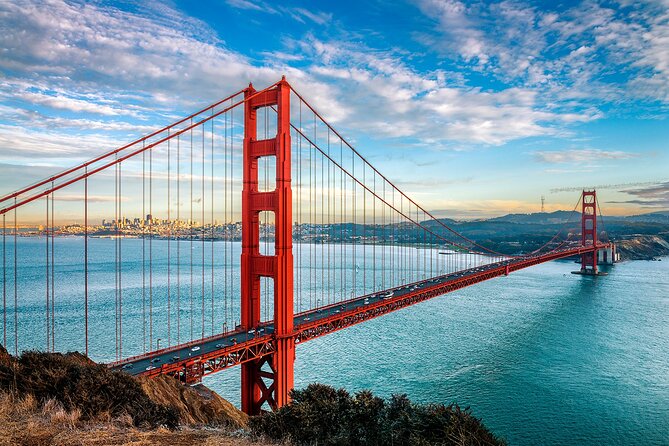
- Golden Gate bay cruise + Alcatraz views from the water: it’s one of the best ways to see the city when you are short on time.
- A guide who explains what you are seeing: Brenda, Lorenzo, and Roberto are repeatedly singled out for keeping the trip organized and meaningful.
- Yosemite Valley is a highlight sprint: you see major spots, but you will not roam for hours at a stretch.
- Antelope Canyon is the big nature moment: a guided tour helps you understand the rock and light effects.
- Hotels are included, but locations vary: you will sleep in places like Santa Clara, Modesto, Stevenson Ranch, Page, Kanab or Cedar City, and Las Vegas.
- One luggage rule, one carry-on: pack light so getting on and off the bus stays painless.
Seven days that feel like five trips: the route logic
This is not a slow, pick-a-neighborhood-and-breathe plan. It is built like a highlight circuit, starting on the California coast, then moving north to San Francisco, east to Yosemite, south to Las Vegas, and finally into the Grand Canyon and Utah parks.
If you want one trip that hits the big visuals in a single week, you’ll like the structure. If you hate early mornings and prefer long, wandering days, you may feel rushed.
The tour runs with a maximum of 50 travelers, and depending on group size you will ride either an air-conditioned bus or a van. Either way, your day is shaped by group movement, not your personal timing.
You can also read our reviews of more tours and experiences in Los Angeles.


Price and value: where the $1,465 goes
At $1,465 per person, the value is in what gets bundled. You are paying for transportation, a professional guide, 6 nights of hotel stay with continental breakfast, plus major entry costs like the bay cruise and Antelope Canyon.
That bundling matters on this route because distances are real. You are not just paying for tickets, you are paying to have logistics handled across Los Angeles, San Francisco, Yosemite area, Las Vegas, the Grand Canyon, and Utah.
There is also a practical value in the small-group feel within a bigger coach, plus the fact that you get multiple guided stops instead of free-time only. You still get breaks and browsing windows, but the route is designed so you do not waste daylight.
Your budget should also leave room for meals not included, plus tips. One guest specifically suggested having some pocket money for tipping in the U.S., since it is appreciated.
Bus comfort, guide help, and the luggage reality
You will travel by air-conditioned bus or van, and a pro guide keeps the day organized. On full-size coaches, you can use WiFi, but it is not meant for heavy streaming, so treat it as a quick check-in tool.
The luggage rule is simple: 1 piece of luggage and 1 small carry-on per person. Keep that in mind when you are packing for desert heat in the day and cooler temps near the canyons and high-country stops.
There is a moderate physical fitness expectation. You do not need to be an athlete, but you should be comfortable with short walks, uneven sidewalks, and the rhythm of frequent get-on, get-off movement.
Day 1, coast starters: Santa Barbara, Solvang, Carmel, 17-Mile Drive
Day 1 feels like a fun warm-up before the heavy hitters. You start with Old Mission Santa Barbara, which gives you quick context for how Spanish missions shaped the region. It is an easy first stop that sets the stage without draining your day.
Next you head to Solvang, a Danish-style town where shopping is the main attraction. This is one of those stops where you can browse for souvenirs, eat something sweet, and enjoy the odd, charming contrast to the surrounding California coastline.
Then comes Cannery Row in Carmel, with a short chance to soak up the seaside vibe. The program also points you toward Carmel, home to actor Clint Eastwood, which adds a little pop culture layer if you like that sort of connection.
Finally, you drive the famous 17-Mile Drive on Route 1 style coastline. One practical detail: smaller vehicles travel on Route 1 while full-size coaches handle 17-Mile Drive more exclusively. Either way, you are in for close-up ocean views, then you finish the day with a hotel night.
Downside to know: after a full day of stops and driving, your evening is usually just check-in and sleep. Do not schedule anything ambitious after you arrive.
Day 2, San Francisco classics plus cruise time under Golden Gate
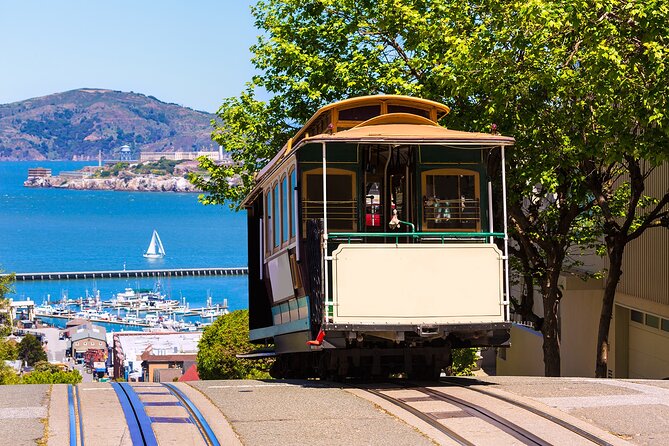
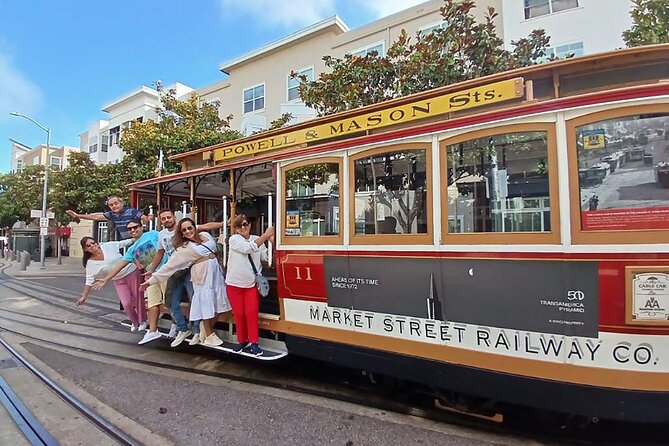
San Francisco is where this tour earns its keep. You kick off with San Francisco City Hall, then move through Lombard Street and Fisherman’s Wharf.
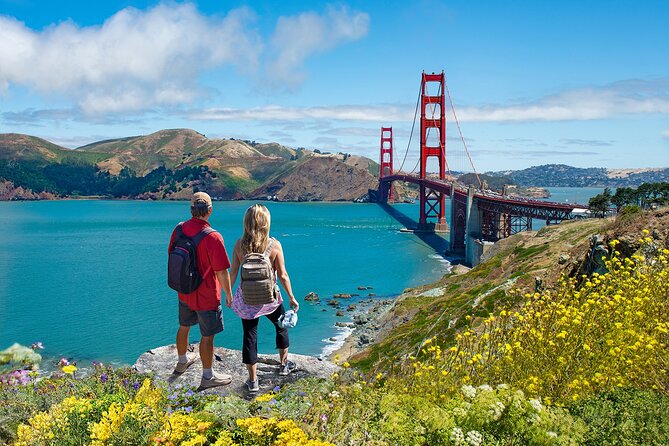
The headline moment is the bay cruise. You go out under the Golden Gate Bridge and around Alcatraz Island. Even if you think you have seen enough photos of the Golden Gate, the water angle and scale still do something to your brain.
After the cruise, the day stays packed with views and neighborhoods. You stroll through Downtown Sausalito, then head to Twin Peaks for one of the best panoramic looks over the city.
You also get Chinatown, described as the oldest in North America and spread across many blocks. The key here is the time you get for wandering, so you can snack, browse, and take photos without feeling like a museum tour.
What to watch for: the San Francisco day is structured, not free-form. If you love digging into a single area for hours, this will feel like a curated hit list.


Day 3, Yosemite Valley in a tight window, and the Hearst Castle winter swap
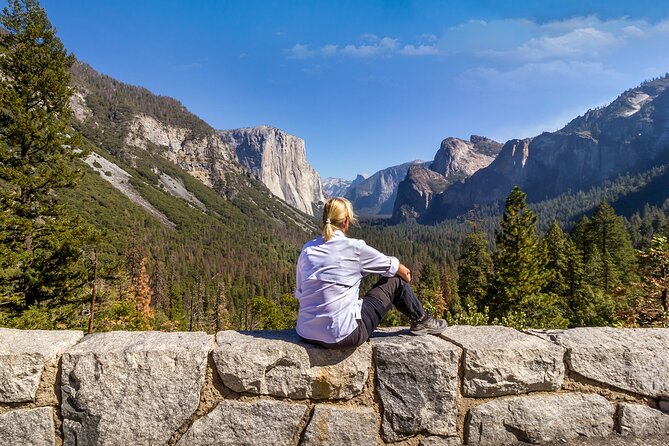
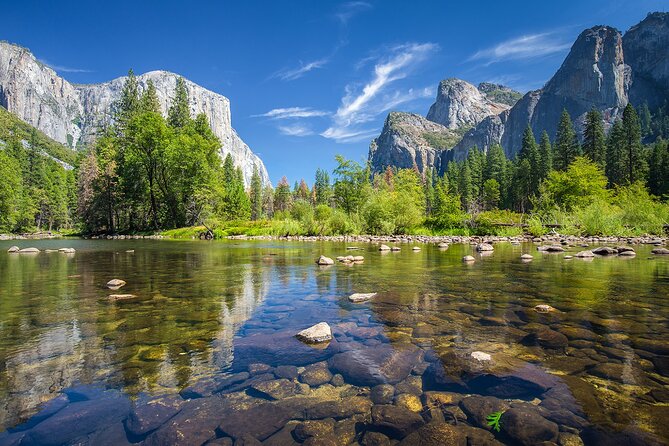
Yosemite day is the classic “see the big three” format. You ride east through the Joaquin Valley farmlands, then enter Yosemite National Park with stops around El Capitan, Bridal-Veil Falls, and Half Dome.
This is followed by Yosemite Falls. It is a walk from the visitor area designed to get you to one of North America’s top waterfall sights. The timing is efficient, which is good, but it does mean you should bring sensible footwear and expect that the schedule is doing the heavy lifting.
There is also an important seasonal note: in winter months, Hearst Castle can replace Yosemite. If you are traveling during a colder season and Yosemite is a priority, confirm the seasonal swap when you book.
The value of this day is that you get iconic views with guide context, not just photo stops. You learn what makes the scenery tick, from how water shapes the valley to why these rock formations matter.
The consideration: Yosemite here is a highlight sprint, not a long hiking immersion. If you want quieter trails or long hikes, plan a separate trip later.
Day 4, Barstow outlets and the Las Vegas Strip evening
Day 4 is where the route shifts from nature to spectacle. You drive through desert areas toward Las Vegas, with a lunch break stop at the Outlets at Barstow.
This is a practical stop. If you forgot sunscreen or need a spare shirt, it is a convenient place to handle it without turning the whole day into shopping.
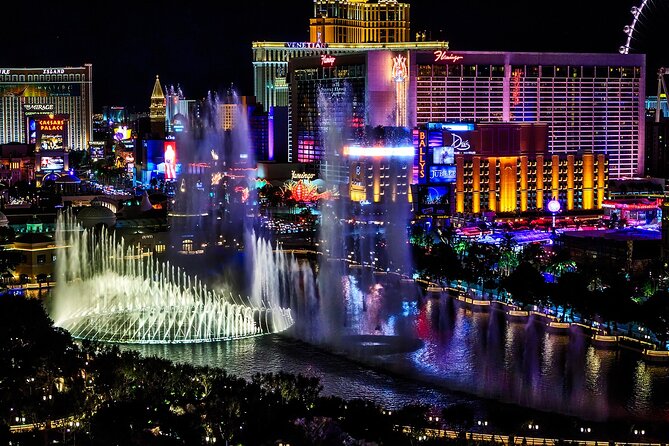
Then you reach the Las Vegas Strip for an evening tour. You pass major themed hotels like Caesar’s Palace, Mirage, Luxor, Paris, Mandalay Bay, New York New York, Treasure Island, and more.
The point is not deep casino time. It is the visual tour of how these places stack fantasy in the middle of the desert. You can then choose a show or casino time afterward, depending on what fits your energy level.
Keep your expectations realistic: Las Vegas is big, and you will not be walking every block. You are here for a guided overview plus free-choice fun.
Day 5, Grand Canyon South Rim, viewpoints, and time to browse
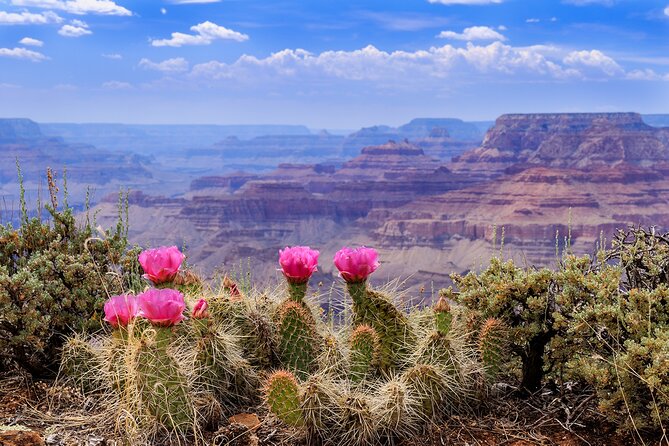
Grand Canyon day is a mix of geology explanation and viewpoint time. You start in the desert, then pass through the Navajo reservation before reaching the South Rim.
On arrival, you tour along the South Bank, with discussion on how the Colorado River carved the canyon over time. This is where the guide talk is useful because the canyon is so huge your eyes can struggle to understand scale.
After lunch, you continue with a stop at Indian market places for handmade arts and crafts browsing. This is a chance to slow down for a bit, ask questions, and pick up a small souvenir that feels more connected to place than a typical postcard shop.
Next you visit Grand Canyon Desert View Watchtower, a stone tower designed by Mary Colter. It is built in a style inspired by Ancestral Puebloan towers, and it offers a view that includes the Colorado River and the painted desert in the distance.
You also get time near the Grand Canyon Visitor Center South Rim, including a window for books and gifts.
The tradeoff: this day is packed with stops, so you get moments of canyon time rather than one long, quiet stretch. Still, it is a strong lineup for first-timers who want the essentials.
Day 6, Antelope Canyon, Bryce Canyon sunset, and why Kanab matters
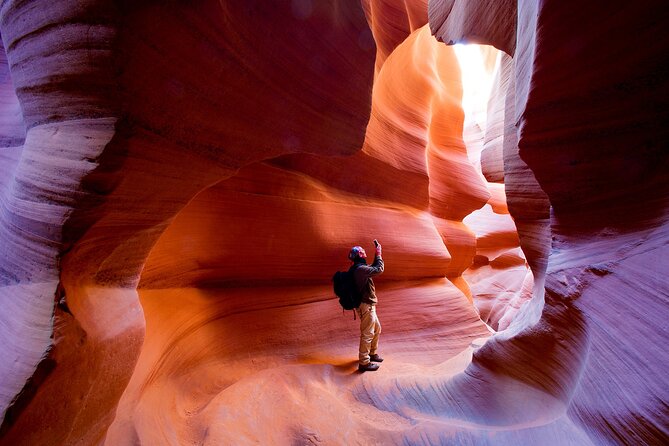
Antelope Canyon is one of those places where a guided tour changes everything. You start the day with a visit to Lower Antelope Canyon, with Navajo folklore framing the idea that water runs through the rocks.
The tour focuses on how wind, water, and sand create the formations, and the light effects are part of the magic. You do not need geology knowledge, you just need a guide who can point out what to notice.
After that, you head west to Bryce Canyon National Park. You see rock and sand sculptures shaped by thousands of years of rain, wind, and sunshine.
There is also an emphasis on color changes at sunset from a vista point. Sunset times shift, so the exact timing can vary, but the idea stays the same: you get a golden light moment before you move on.
Then you travel toward Kanab, with some departures continuing to Cedar City. This is where sleeping location becomes part of the experience. Kanab and Cedar City are convenient bases for Bryce and Zion, even if they are not the place you would pick for a long vacation by itself.
Your main consideration on day 6: it is physically satisfying, but it can also feel like a full-day sensory sprint. Bring water, and plan for day temperatures that can swing depending on the time of year.
Day 7, Zion National Park quick walk and an easy return to Vegas
Day 7 starts with Zion National Park, named after Mormon settlers who described the experience as religious because of mountain majesty and the quiet wilderness feel.
You tour the park and take a short walk along the Virgin River, giving you a calmer pace than the canyon days. It is a smart way to end the trip because it shifts from big scenic lookouts to something more human-scale.
Then you leave Zion and arrive early evening back in Las Vegas. You can opt for a late-night return to Los Angeles depending on your departure, or you can ask to be dropped off in Las Vegas to stay there longer.
This is a nice finishing point. After days of natural wonders, Vegas feels like a playful reset, not a repeat of earlier city stops.
Sleep locations and hotel expectations across Santa Clara, Page, Kanab, and beyond
Hotels and breakfast are included for 6 nights, and the locations can include Santa Clara, Modesto, Stevenson Ranch, Las Vegas, Page, and Kanab or Cedar City. Translation: you will not always be sleeping in the center of the most famous downtown districts.
In practice, that usually means easier parking and quieter surroundings, but it can also mean a longer ride to where you might want to eat at night. If you love being able to step outside and walk everywhere, consider that before you book.
One traveler noted that some rooms had smoke odors or unpleasant hall smells. That is not a dealbreaker for everyone, but it is worth taking seriously if you are sensitive to scents. Your best move is to pack a small personal comfort item, like a face mask or a travel-safe odor neutralizer, and ask for a room change if needed.
Food, tipping, and how to keep the budget sane
Breakfast is included each day of your hotel stay, which helps you start efficiently. For other meals, you are on your own, so plan for the fact that park days and desert driving can make sit-down dining harder to time.
Bring snacks. Even if lunch stops are built in, being hungry on a viewpoint walk is a fast way to ruin the day’s mood.
Tipping is the one extra U.S. cost many visitors underestimate. One review specifically encouraged bringing pocket money because tipping is customary and appreciated. If you are unsure how much to budget, a simple rule of thumb is to keep some cash aside for drivers and guides and hand it over at the right moments during the trip.
Guide standouts: what you gain from Brenda, Lorenzo, and Roberto
The biggest praise points in this kind of trip usually boil down to leadership. Here, guides like Brenda, Lorenzo, and Roberto are repeatedly described as friendly, organized, and genuinely invested in sharing what you are seeing.
That matters because these days are compressed. Without good guiding, a week like this can turn into a series of bus stops. With a strong guide, you understand why Half Dome looks the way it does, what Mary Colter was aiming for with the Desert View Watchtower, and why the rock tones shift at Bryce.
You may also hear interpretation support, including Michael Hansel helping across a diverse international group. That can be useful when you want the main story even if English is not your first language.
If you value context, not just photos, this guide-driven format is one of the best parts.
Should you book this 7-day LA to Zion circuit?
Book it if you want a fast, organized sampler of the West Coast plus the biggest canyon and Utah sights, and you do not mind shorter time windows at each stop.
You should especially consider it if you like structure. The route is built to reduce guesswork, and the included cruise and park entrances help keep you from constantly digging for tickets.
Skip or downshift expectations if you want a deep, slow national-park experience with long hikes and lots of downtime. This tour is designed for highlights, not for solitude.
My practical bottom line: if you want one week where your photos look like a greatest-hits album, and you are okay with early starts and bus days, this is a strong value. If you would rather savor instead of sprint, look for a slower, regional itinerary.
More Tour Reviews in Los Angeles
Not for you? Here's more nearby things to do in Los Angeles we have reviewed








Los Angeles City Tours, compared.
 ★ 4.6Warner Bros. Studio Tour HollywoodFrom $767,191 reviews
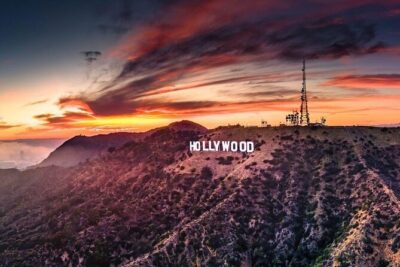 ★ 5.0Full-Day Iconic Sights of LA, Hollywood, Beverly Hills, Beaches and MoreFrom $996,147 reviews
 ★ 5.0Full-Day LA Tour: Santa Monica, Hollywood and Beverly HillsFrom $952,431 reviews
 ★ 3.7Hop-On Hop-Off Bus Tour with Audio GuideFrom $512,030 reviews
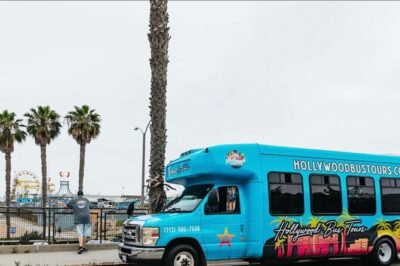 ★ 5.0Half Day Best of Los Angeles Guided City TourFrom $691,966 reviews
 ★ 4.7Half-Day Best of LA TourFrom $591,778 reviews
 ★ 5.0Shared 3 Hour Los Angeles TourFrom $501,686 reviews
 ★ 4.1Hollywood & Celebrity Homes Open-Air Bus TourFrom $291,624 reviews
Browse the lists this tour appears in