
Reviewed · LOS ANGELES
Demystifying Art at The Getty – One-Hour
One hour can fix your Getty confusion. I like how this private small-group format keeps you focused on the museum highlights, and I also appreciate that wheelchairs and strollers are welcome. The main catch is you’ll need to plan for extra costs on your own, especially Getty parking, since food is not included.
The vibe is part museum orientation, part art history in plain English. You meet your guide at the departure tram level, get a quick game plan, and then walk the galleries with an expert who explains why the art looks the way it does and what it meant back then.
If you’re visiting The Getty Center for the first time, this is a strong way to get your bearings. If you’re a die-hard art deep-diver, you may wish you had more time than one hour to keep wandering on your own.
Key highlights you will actually feel during the tour
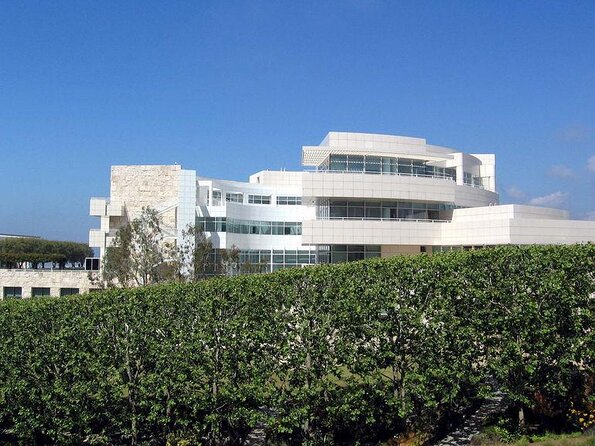
- Meet at the departure tram level so you start moving with purpose instead of hunting
- Private group up to 6 means you can ask questions and keep the pace comfortable
- Story-first explanations that connect famous names to everyday questions
- Wheelchair and stroller-friendly logistics, plus UV-sanitized listening devices when needed
- Strong viewing context for Renaissance, Dutch painting details, and Impressionism style choices
- No food included, so you can plan a meal break before or after without pressure
One-hour tour energy: why this format works at the Getty Center
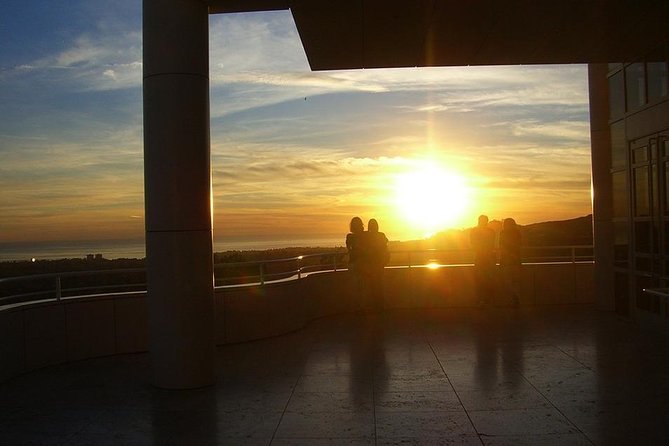
A museum like The Getty Center can feel like a lot, fast. There are buildings, gardens, and galleries spread out in a way that rewards people who know where to look. This one-hour experience is built for that exact problem. Instead of trying to memorize everything, you get guided, high-impact stops and explanations that make the artwork easier to notice and harder to forget.
I also like the practical nature of the session. It is short, but it is not shallow. The guide is there to help you recognize patterns, not just list facts. That matters at The Getty because the collection spans time periods, styles, and artistic techniques. When your guide points out what to look for, you start seeing more on your own after the tour ends.
Price-wise, think of it as paying for a focused art lesson in a private group up to 6. At $175 per group, it can feel expensive if you are comparing to casual museum entry. But if you are splitting the cost, or you value having someone translate the art into human terms, it can be good value. The biggest add-on cost is not included, and I would treat it as part of your budget from the start.
You can also read our reviews of more tours and experiences in Los Angeles.



Getting started at the departure tram level, then finding your flow
Your tour begins at the departure tram level, which is a smart choice. Most first-timers spend time figuring out where the next section is. Starting there helps you move efficiently, and it reduces the stress of, Okay, where do we go now?
You will also use a mobile ticket, so you can show your pass on your phone. The experience is private, meaning only your group participates. That matters if you have kids, mobility needs, or you just want a calm pace instead of matching someone else’s.
One more small but helpful detail: there are coat check and phone charging stations available. That means you can travel light and still keep your phone powered for photos, maps, and whatever you use to look up more information later.
The Getty Center stop: how your guide turns paintings into real questions
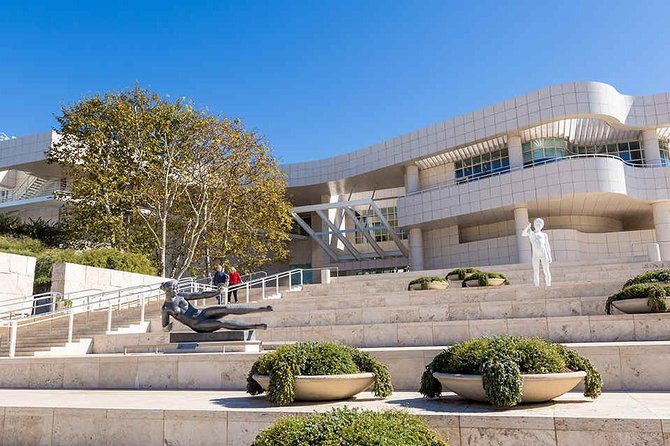
This tour centers on The Getty Center Museum, with your guide taking you through highlights and using artwork to tell stories about history and modern life. The idea is not to sound impressive. It is to make the art make sense.
Here is the kind of thinking your guide will guide you through:
- Renaissance and the body: Why you see so many nudes in Renaissance art, and what that says about values in that era.
- French power and design: How Louis XIV, Louis XV, and Louis XVI influenced fashion and furniture, so you realize art is tied to politics and taste.
- Dutch painting details that look weird on purpose: Why Dutch works can include things like dead bugs, wilted flowers, and skulls.
- Religious symbolism in color: Why the Virgin Mary is often painted in red, blue, or both, and what that color language might be doing for the viewer.
- Impressionism and the blur effect: Why Impressionism can look blurry, and how that connects to how people experienced light and everyday scenes.
Even if you are not an art expert, this approach is friendly because it trains your eye. Instead of trying to remember every title, you learn a way to look. After that, you can stand in front of a painting longer because you know what questions to ask.
Names you might hear: da Vinci, Rembrandt, Monet, Van Gogh, and friends
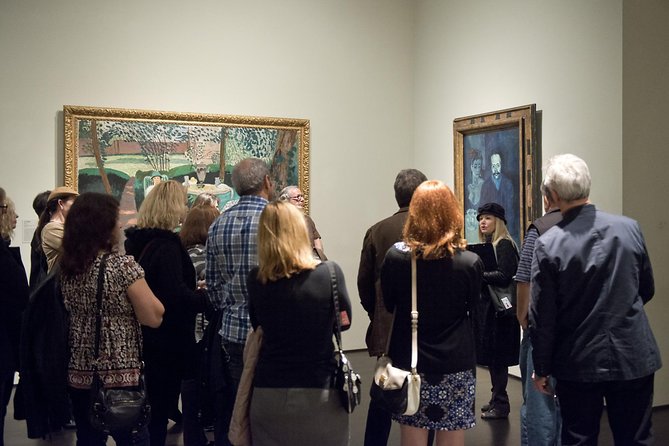
The tour is built around big, famous artists, because that is where most people start when they visit. You may hear the tour framing like DaVinci decoded, Rembrandt revealed, Monet mastered, and Van Gogh verified. The benefit is that you are not just hearing names. You are getting context that helps you understand why those artists are considered important.
A couple of guide styles show up in how people describe their experiences. Sasha, for example, is noted for being friendly and explaining the stories behind the works, while also sharing museum history. Ellen is praised for clarifying priorities at the start, then walking through several centuries with specific paintings and sculptures. Ellen has also been described as using extra resources, including pictures from materials she brought, which can make certain details easier to grasp.
Menna, too, was highlighted as an excellent docent who connected the Getty’s history with famous works, which is a great fit if you want the art plus the how-and-why of the museum itself.
None of that means every guide uses the exact same method. But the consistent takeaway is that the guide is there to help you understand what you are seeing, not just point and move.
What you miss without the extra time, and how to plan for it
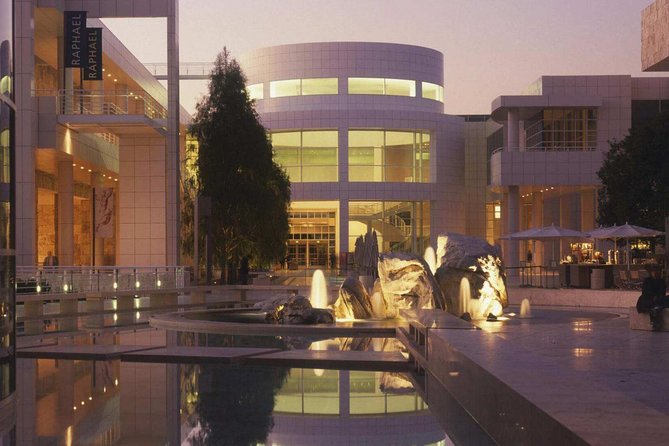
One hour is a sprint. That means you will likely hit a carefully chosen path of highlights, not every gallery you might want to see. If your plan is to roam freely, this tour will help you pick a direction, but it cannot replace the time you need for deep wandering.
Also, the tour description emphasizes topics that sound like a larger conversation, such as decorative arts and deeper period options. If you end up feeling like you only scratched the surface, that is not a failure of the tour. It is just the reality of a timed experience.
My practical advice is to pair this tour with a little self-time right after. Use the guide’s questions as your checklist. Then, when you return to the museum galleries, you will know what details to hunt for.



Comfort, access, and listening aids you may use
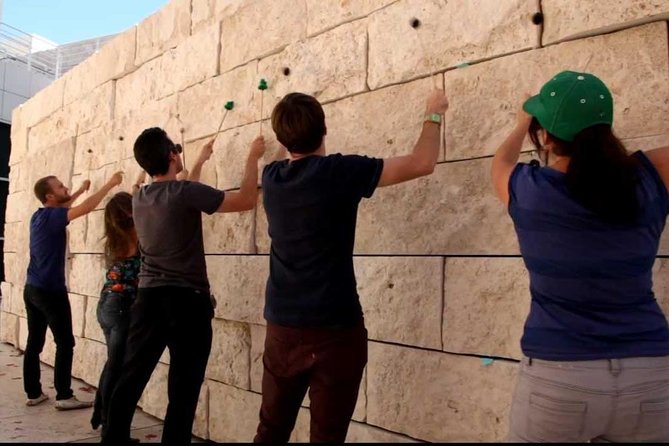
This experience is set up to be accessible. Wheelchairs and strollers are welcome, and that is more than a line item. It signals that your route and pacing should work for a wider range of visitors.
If your group includes six or more people, or if you request it, you may use UV-sanitized listening devices. That is especially useful if you want to hear the guide clearly without leaning in close or constantly repeating yourself for group members.
Service animals are allowed, and the tour is near public transportation with convenient ride-share drop off. Those details matter because getting in and out of The Getty Center can be part of the whole experience. Less friction means more time actually looking at art.
Price and real-world costs: what you should budget besides the tour
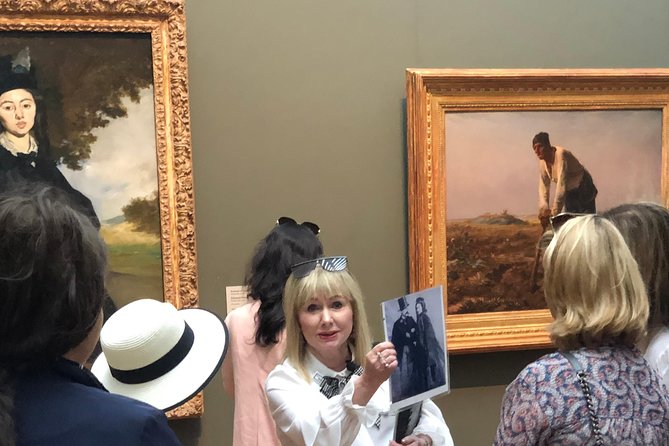
The tour price is $175 per group, up to 6 people, for about one hour. The best way to judge value is not just the dollar amount, it is what you get for that time: a guided narrative through the museum highlights, with Q and A built into the experience since it is private.
Two extra costs are worth calling out:
- Parking is an extra charge. The Getty Center charges per car, and the tour price does not cover it.
- Food is not included. You will need to handle snacks and meals on your own.
If you hate surprises, plan this before you go. Either eat nearby ahead of time, bring snacks if that works for your day, or slot a real meal break after. Also, remember there are coat check and phone charging stations, so you can store light items and keep your phone ready for photos.
Who this one-hour Getty art tour suits best
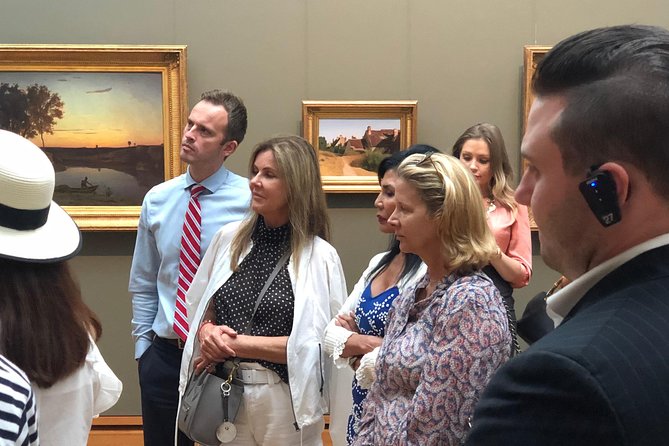
This is a smart choice for people who want clarity more than trivia. If you are visiting with teens or family members who feel bored by long museum lectures, a story-based, question-driven approach can keep attention up.
It is also a great fit if you are a non-art expert. The tour is designed to explain what you are looking at in human terms, including why certain details show up across different periods. If you are an art lover, you can still enjoy it because it gives you better prompts for what to notice during your own time afterward.
Finally, it can work well for couples who want an efficient “first look” at The Getty Center without committing to a long tour. The museum is big, and one hour can help you get started in a way you can build on.
Should you book? My practical take
Book it if you want a guided Getty Center highlights route and you like learning art in stories you can remember. The private group size makes it easier to ask questions and adjust pace, and the teaching style highlighted by guides like Sasha and Ellen is a good match for people who do not want a stiff lecture.
Skip it or consider another format if you know you want to spend most of your time roaming at your own pace, or if you are expecting the tour to cover everything. One hour is excellent for orientation and a handful of strong themes, not for fully exhausting the museum.
If you are deciding right now, here is the simplest rule: if you are worried you will wander and forget what you saw, this one-hour tour is built to stop that. If you already have a clear plan for what you want to see, you might prefer less structure.
FAQ
How long is the one-hour Demystifying Art at The Getty experience?
It runs for about 1 hour.
What is the group size and is it private?
It is a private tour, and the group size is up to 6 people.
Where do I meet the guide?
Meet at 1200 Getty Center Dr, Los Angeles, CA 90049, at the departure tram level.
What should I pay for besides the tour price?
Getty parking is an extra charge, and food and snacks are not included.
Are wheelchairs and strollers welcome?
Yes, wheelchairs and strollers are welcome.
Will I hear the guide clearly?
Wheelchairs and strollers are welcome, and UV-sanitized listening devices are provided when 6+ people are in the group or on special request.
Is the tour offered in English?
Yes, it is offered in English.