
Reviewed · LOS ANGELES WALKING & HIKING TOURS
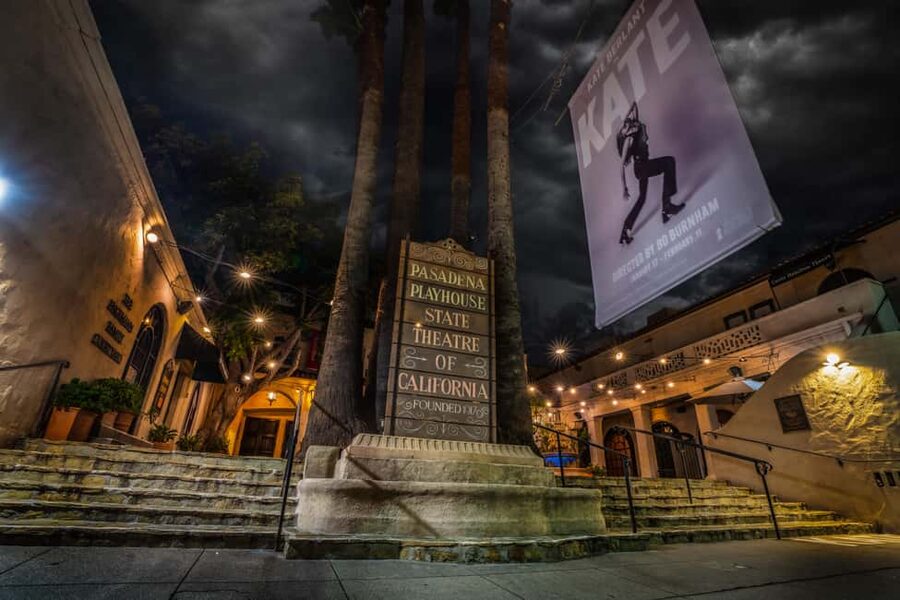
Pasadena: Haunted Walking Tour
Pasadena has a darker side. This 1-hour haunted walking tour turns familiar landmarks into story stops, mixing ghost tales with local incidents that go beyond jump-scares. I like how it pairs Route 66 Suicide Bridge scares with threads of history, not just spooky sound effects.
Two things I especially like are the walking pace, and the way the guide uses specific places to organize the night’s themes. I also like that you learn about tense topics like sundown towns and race riots, which gives the tour more weight than typical campfire ghost stories. One drawback to consider: the content is intense, and it focuses on the tour’s storyline, so if you want broad, off-topic Pasadena history, you may not get deep answers every time.
Key things to know before you go
- Suicide Bridge ghost stories tied to a famous local landmark (Route 66).
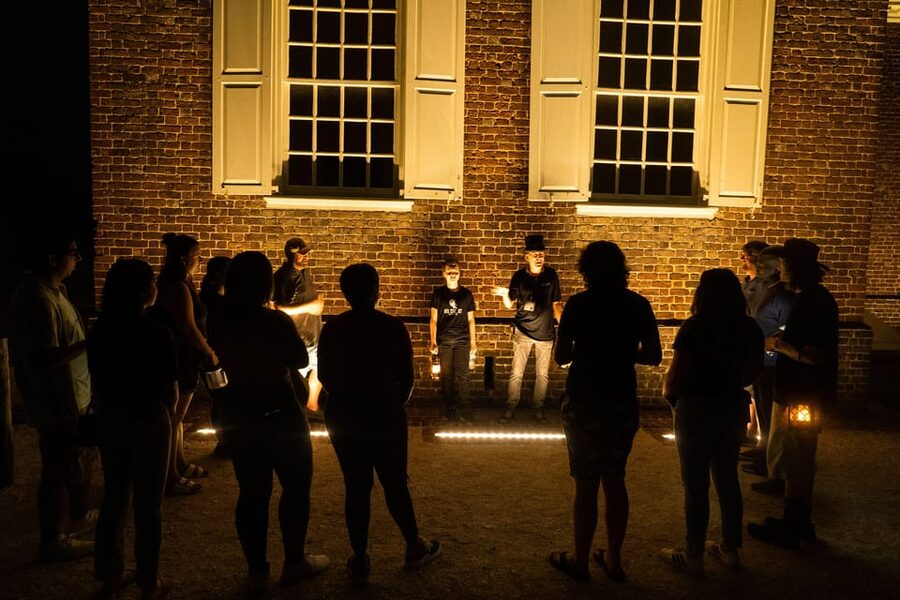
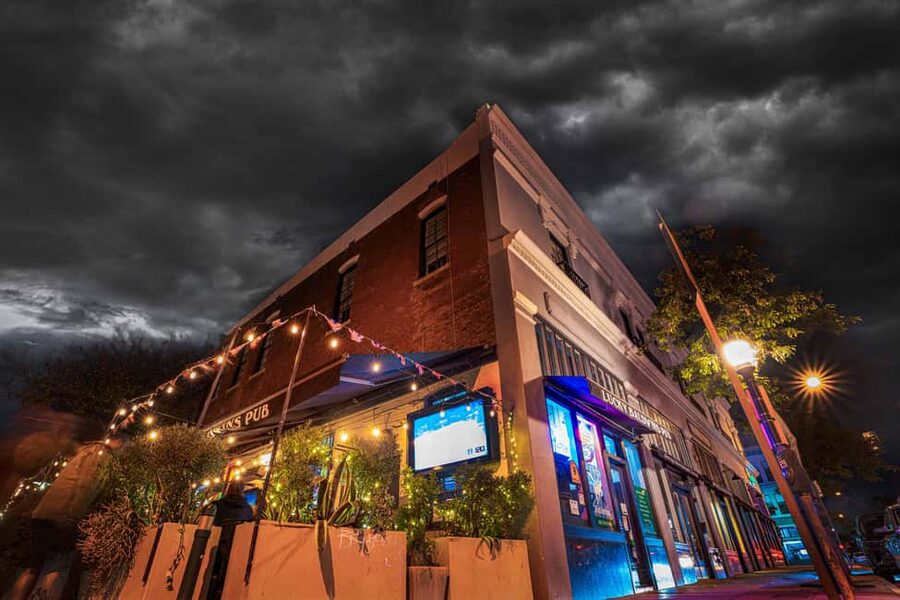
- Seven haunted locations on foot, with stops built around both spirits and real-world incidents.
- Underground tunnels and basement lore, including what people say is lurking below the Bunker Experience.
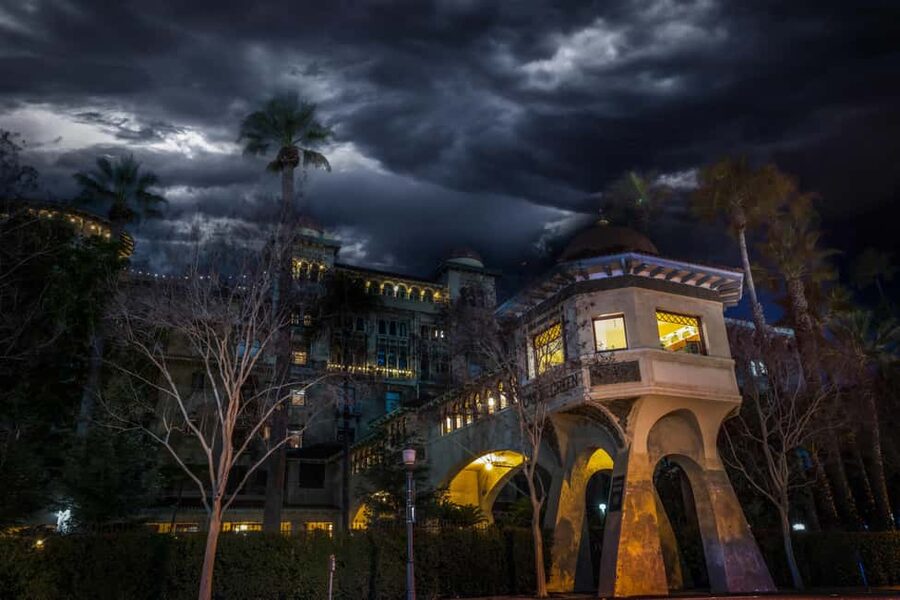
- Castle Green balcony tragedy in the mix, plus other haunting legends along the route.
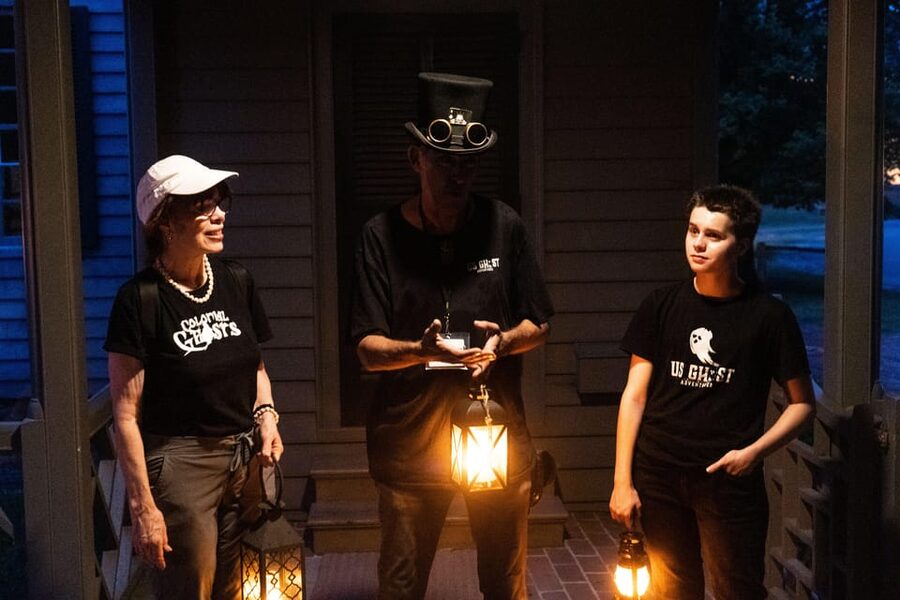
- A guide in a black US Ghost Adventures shirt with a lantern, which helps you find the group fast.
- One tour guide name you may hear is Angelina, praised for fun delivery and good answers to questions.
Pasadena City Hall: the start point and how the tour feels
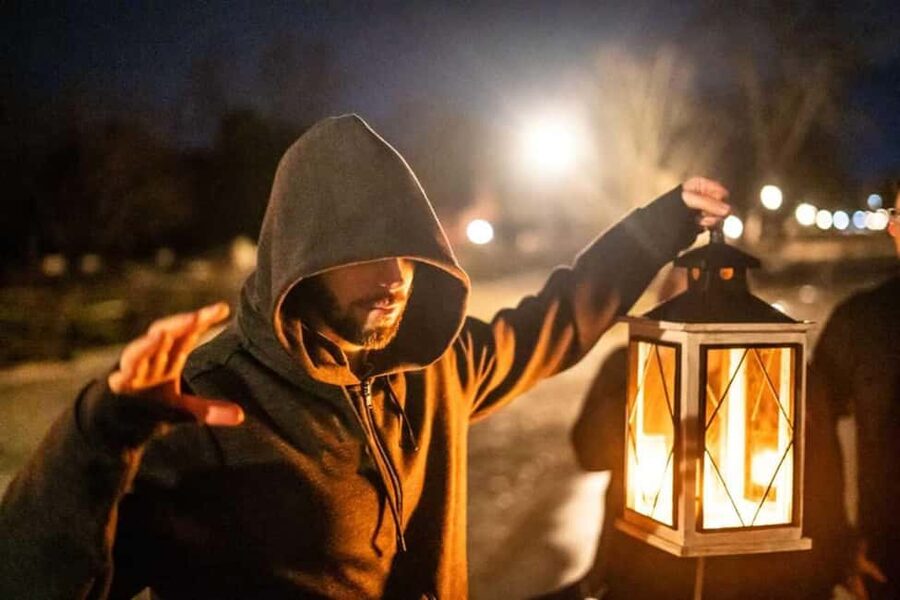
The tour begins right at Pasadena City Hall, at 100 Garfield Ave, Pasadena, CA 91101. I like start points like this because you get a clear, easy-to-find location, not a vague corner where you wonder if you arrived early or late. Your guide will be wearing a black US Ghost Adventures t-shirt and carrying a lantern, which gives the whole thing an immediate, movie-scene vibe before you even leave the steps.
Arrive about 15 minutes early. That buffer matters on a walking tour because you want to get oriented, meet your group, and hear any quick rules before the first story starts. You will also get a small “put your phone away” moment here, since video recording is not allowed, and you’ll want your hands free for your comfort, not fiddling with equipment.
The overall feel is part fun group walk, part history chat with chills. The tour is built around dramatic, darker Pasadena tales, including deadly love triangles, gangland murders, and beings said to live in underground tunnels. Even if you are not a hardcore ghost-story person, the structure helps: the guide gives you a reason to look up at buildings and landmarks, not just a reason to be scared.
Price and timing for a 1-hour haunted walk
This tour runs about 1 hour, and it costs $24 per person. For a one-hour evening activity in Pasadena, that price lands in the “worth trying once” range, especially because you are not just paying for stories. You are paying for a guided route with a set of locations, plus history framing that is meant to feel researched and credible.
You should also know that the schedule is based on starting times. That matters because haunted walking tours live or die by timing, you do not want to book a slot that ends too late for your comfort level. If you are choosing between start times, I’d pick the one that gives you daylight or early dusk for the walking parts, then dark enough for the spookier storytelling.
There’s also something practical tucked into the listing: you can skip the line through an express security check. That is a small detail, but it helps a tour like this stay on track, and it reduces the “wait, stand, and get cold” factor before you even begin.
What stories you’ll actually hear, and the themes behind them
This is not a random collection of urban legends. The tour’s selling point is that it builds a picture of Pasadena across two centuries. You will hear about heartbreak and loss, but also about violent events and community tensions that shaped neighborhoods. The highlights specifically call out the hidden history of sundown towns and race riots in California, and that tells you the tour is comfortable mixing ghost lore with real historical pain.
That mix can be powerful, because it gives you a way to connect the spooky parts to places that existed long before anyone thought of ghost tours. In practical terms, it means the guide spends time explaining why a location matters, not only what is supposedly haunting it.
It also means the emotional tone can shift. Some parts will aim for chills, others for empathy and historical context. If you prefer purely lighthearted scares, this might feel heavier than you expect. If you like your horror with context, it is a big plus.
The tour also mentions creatures in underground tunnels and gangland murders, plus deadly love triangles. Those themes tend to show up in how the route is narrated, where the guide may move from one story “chapter” to the next as you walk between locations. Even when you are skeptical, it’s hard not to pay attention once the stories are tied to real streets and real buildings.
Stop-by-stop: Suicide Bridge and why it’s the headliner
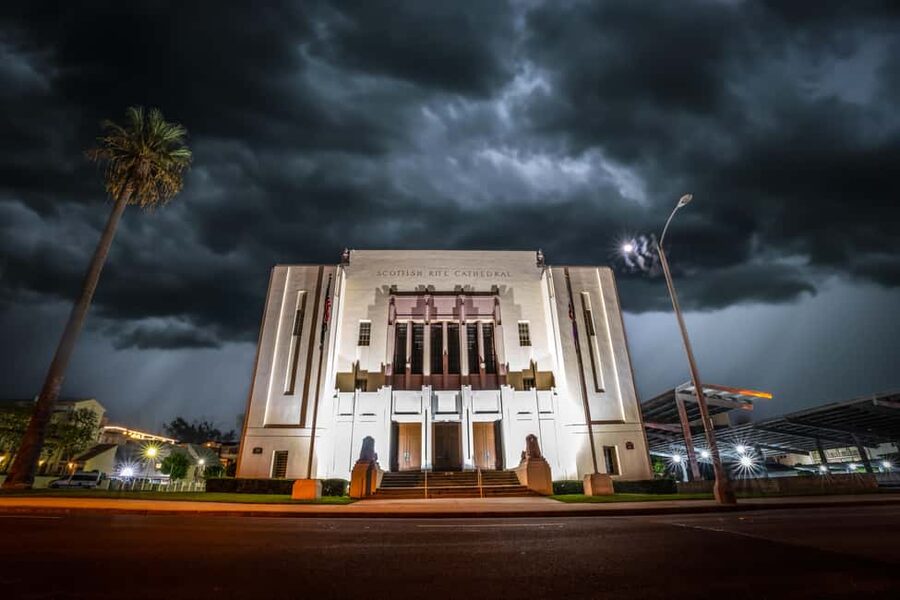
If there is one location you should lock onto, it’s Suicide Bridge, linked here to Route 66. It’s the most specifically named draw in the description, and for good reason. When a tour highlights one spot as the central legend, it usually means you’ll spend more time there, or the guide treats it like a climax.
In a walking tour, the best kind of stop is one that makes you change how you look at the place. Suicide Bridge does that. Even if you ignore every ghost claim, the landmark itself is enough to make you pause. Add a guided narrative, and your brain starts doing what it does best at night: filling in the gaps with fear and imagination.
The payoff is not just the spook. The tour frames these stories around the idea that some places hold more than architectural history. They also hold community memory, and the bridge becomes a symbol in the guide’s storytelling. That is one reason the story tends to stick after the tour ends, since you’ll likely remember the bridge long after you’ve forgotten a generic ghost tale.
A quick practical note: this is a walking experience. So when you are in the middle of the route, keep an eye on the ground, and take a breath before the biggest emotional story. You want to stay present, not trip over your own nerves.
Bunker Experience basement lore and the tunnel idea
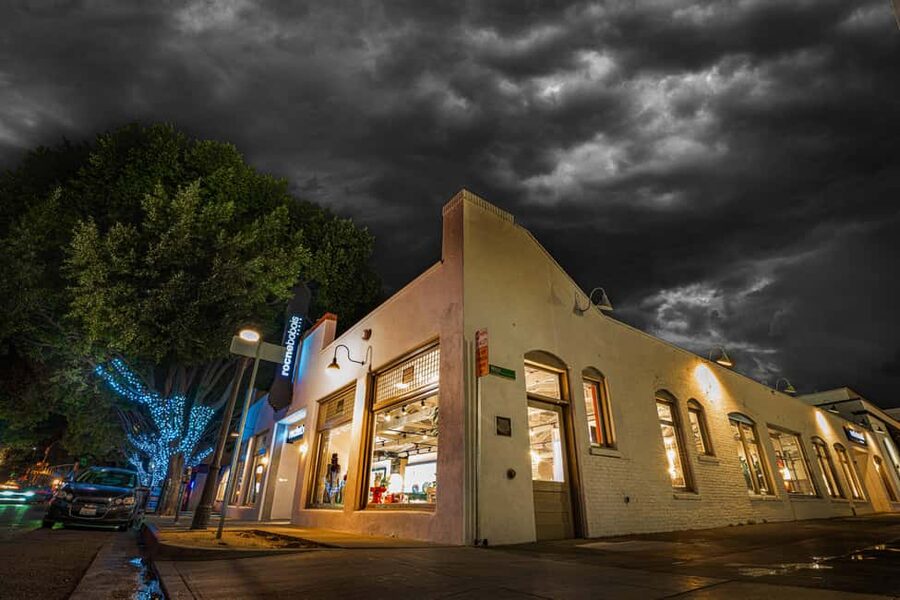
One stop is described in a way that really sells the creep factor: what’s lurking in the basement of the Bunker Experience. Basement stories are popular for a reason, they promise “below ground” fear without needing special effects. In this tour, it’s also tied to the idea of underground tunnels and beings that live there.
What makes this part valuable for you is the way it expands the tour beyond street-level legends. If you usually think of ghost stories as something that happens in a house or a yard, this angle makes you think about the built city itself. Basements, tunnels, and older structures change how a place functions, so the story has something to grab onto even if you are not fully convinced.
The tour also promises to show you why people can feel a tinge of sadness when stepping on the property floor. That detail signals that the guide is not aiming for pure silliness. It’s trying to create a mood, and it uses that mood to connect you to the darker themes of the night.
If you have a low tolerance for heavy emotional tone, be aware that the tour’s language suggests there are moments where the story aims beyond thrills. On the flip side, if you like atmospheric storytelling that feels tied to place, this is one of the more compelling parts.
Castle Green balcony, men in white, and architecture as a story tool
The tour includes a named tragedy at Castle Green. You are told about a sculptor who was pushed to his death by a ghost at the balcony. That’s the kind of detail that turns architecture into a narrative stage. As you walk past historic structures, you start noticing the exact surfaces and vantage points the story refers to. It’s a clever way to keep your brain engaged on a simple, one-hour route.
Another creepy element mentioned is the appearance of men in white lurking on the ruins of an abandoned lumber baron’s estate. That image is vivid, and it likely gives the guide a strong visual anchor during the stop. Ruins and abandoned properties also tend to feel more haunting at night because there are fewer distractions, no one is around to “normalize” the scene, and your imagination fills the silence.
Together, these stops show why a guided haunted walking tour can be better than reading random legends online. A good guide makes you look in the right direction at the right moment. You are not just hearing scary claims, you are being directed to see why a place might invite stories.
There can be a drawback here, though. If a guide’s knowledge runs less deep outside the prepared script, you might find that the experience is strongest when you let the story unfold as planned. The best move for you is to ask questions that connect directly to what you’re seeing right now, like what the location is historically, or what clue the guide is using to support their narrative.
Underground tunnels, gangland murders, and the citywide story arc
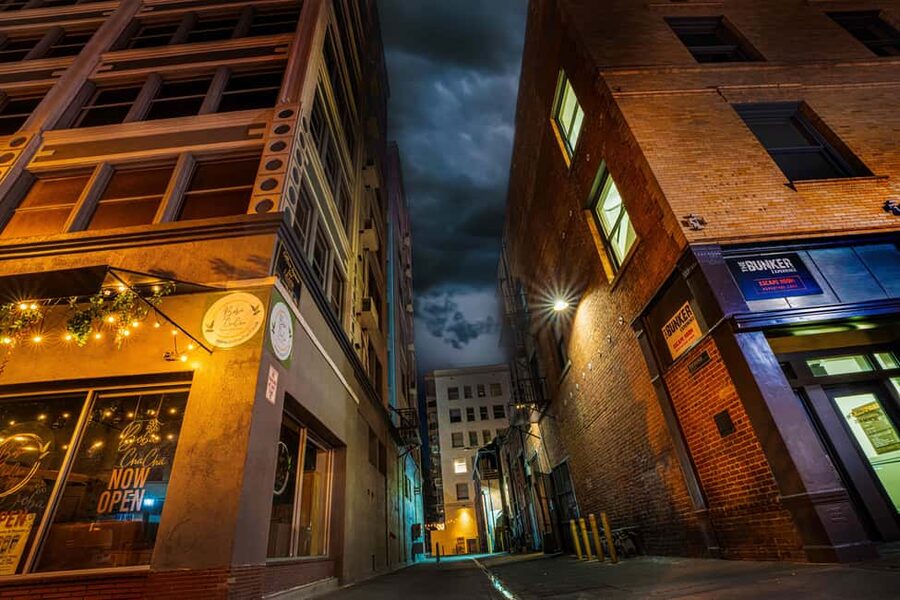
Beyond the named highlights, the tour covers seven historic haunted locations total. That means there are additional stops along the route beyond the bridge and the specific properties tied to Castle Green and the Bunker Experience. Those other locations matter because they shape the tour’s flow across the city.
The narrative themes include deadly love triangles, beings in underground tunnels, and gangland murders. In practice, this type of storyline tends to connect the emotional dots. Love triangles and heartbreak set the tone for why ghosts might linger, gangland murders raise the stakes, and tunnels and underground creatures explain a darker “where things live” idea.
What I think is valuable for you is the citywide arc. Pasadena is known for beautiful Spanish architecture, and this tour doesn’t ignore that. It reframes it. Instead of letting the buildings be only pretty, you get to see them as witnesses. That changes the entire walking experience, even if you are skeptical about every supernatural claim.
This tour also leans into the idea that the city has untold secrets. Some of those secrets are framed as historical facts about exclusion and violence, like sundown towns and race riots. That part is not meant to be a spooky extra. It’s part of the tour’s thesis: the present city has shadows, and you can see them if you listen.
Comfort, rules, and small details that make or break it

A one-hour walking tour sounds easy until you realize it includes stops where you will stand still while stories are told. That is why the basics matter. Wear comfortable shoes. Bring weather-appropriate clothing, especially if you go during a cooler evening when you’ll be in the open air for the full hour.
You should also note the clear rules. Smoking is not allowed. Alcohol and drugs are not allowed. And no video recording is allowed. If you love taking photos, you might still be able to snap some images, but the only explicit rule listed is about video recording, so be respectful and follow any in-the-moment instructions from the guide.
Finally, this tour is described as not suitable for people with mobility impairments. That’s important. Even though it’s only an hour, it’s still a walking route with stops. If mobility is a concern, it’s better to choose something that stays fully accessible.
Who will enjoy this most in Pasadena
This tour fits best if you like haunted walking tours with structure. You want a route, named stops, and a guide who uses those locations to create a narrative. If you prefer horror that’s more grounded in atmosphere and place, you’ll probably have a better time than if you only want jump scares.
It also fits you if you’re the kind of traveler who likes learning while you wander. The tour promises well-researched, credible history, and it includes themes like sundown towns and race riots. That makes it a good choice when you want your entertainment to also feel educational in a serious way.
If you are traveling as a small group or with friends who have different levels of fear tolerance, you might also like it. The description points to a fun-loving group, and the guide is positioned to keep things moving while still telling the stories.
One more note from real-world guide performance cues: one guide name mentioned is Angelina, who is praised for being fantastic, fun, and responsive to questions. At the same time, a separate experience suggests that off-script questions might not always get detailed answers. So if you want to maximize your enjoyment, ask questions connected to the location the guide is currently describing.
So, should you book Pasadenas Haunted Walking Tour?
I’d book this tour if you want a low-cost, one-hour evening activity that combines Pasadena landmarks with guided ghost stories and real historical themes. It’s the kind of experience that can give you something memorable to talk about afterward, especially the named headliners like Suicide Bridge and the stories tied to Castle Green and other specific locations.
Skip it if you want a purely light, family-friendly ghost walk, or if heavy topics about violence and race history would make you uncomfortable. Also skip it if you have mobility needs that make a walking, standing-style tour hard to manage.
If you’re on the fence, here’s my practical advice: bring comfy shoes, show up early, and commit to the storytelling. Ask questions that match what you’re seeing. You will get the most value when you treat it like a guided walk through both Pasadena’s buildings and its darker memories.
FAQ
Where does the Pasadena Haunted Walking Tour start?
The tour meets at Pasadena City Hall, 100 Garfield Ave, Pasadena, CA 91101.
How long is the haunted walking tour?
It lasts about 1 hour.
How much does the tour cost?
The price is $24 per person.
Which haunted locations are included?
The tour includes seven historic haunted locations total, including Route 66 Suicide Bridge, the Bunker Experience basement, an abandoned lumber baron’s estate ruins, and Castle Green.
What should I bring?
Wear comfortable shoes and bring weather-appropriate clothing.
Are there any rules about smoking, alcohol, or drugs?
Smoking is not allowed, and alcohol and drugs are not allowed.
Can I record the tour on video?
No, video recording is not allowed.
Is the tour available in English?
Yes, the live tour guide is English.
Is the tour suitable for people with mobility impairments?
No, it is not suitable for people with mobility impairments.
Is free cancellation available?
Yes, you can cancel up to 24 hours in advance for a full refund.
Los Angeles Walking & Hiking Tours, compared.
 ★ 5.0The Original 2.5-Hour Hollywood Sign HikeFrom $291,468 reviews
 ★ 5.0Griffith Observatory Hike: Guided Tour through Griffith ParkFrom $341,020 reviews
 ★ 5.0Los Angeles Original 90-Minute Walking Tour to The Hollywood SignFrom $29693 reviews
 ★ 4.8Front & Back of Hollywood Sign Hike Guided TourFrom $34439 reviews
 ★ 5.0Malibu: Guided Vineyard Hike with Photo Stops and WineFrom $49391 reviews
 ★ 4.0Hollywood Stars Tour: Walk of Fame, Celebrity Homes, Sunset StripFrom $35341 reviews
 ★ 4.9LA: Express Hollywood Sign Guided Walking Tour with PhotosFrom $15310 reviews
 ★ 5.0Haunted Hollywood Walking Tour: True Crime and Creepy TalesFrom $39299 reviews
Browse the lists this tour appears in